Pollution and Resources
Importance and Mission
Sansiri acknowledges that effective pollution and resource management is fundamental to sustainable real estate operations and essential for upholding the human rights of stakeholders throughout The Company's value chain.
Our management approach encompasses waste and hazardous waste management, air pollution control, and efficient resource utilisation. This comprehensive strategy seeks to minimise environmental and community impacts while safeguarding the fundamental human rights of all stakeholders engaged in Sansiri's operations.
Sansiri is dedicated to responsible business practices through robust environmental management and efficient resource utilisation. The Company aims to minimise its environmental impact by aligning its environmental management practices with applicable legal requirements and standards, reducing waste, and promoting resource recycling. These initiatives underpin Sansiri's sustainable development policy.
Supporting the Sustainable Development Goals
SDGs 3
SDGs 6
Goals and Performances
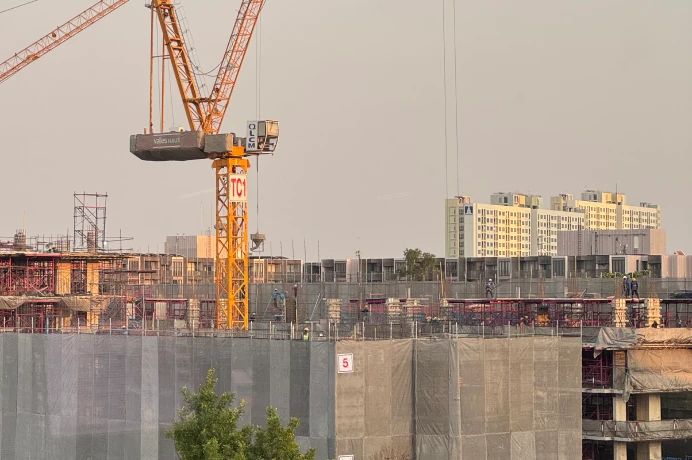
Management Approach
Sansiri is committed to a strategy that prioritises products, services, and sustainability to achieve robust and sustainable growth across all dimensions: economic, social, and environmental. The Company focuses on environmental management to minimise impacts on both the environment and stakeholders.
Consequently, The Company has established an Environmental and Energy Conservation Policy, a Green Procurement Policy, and a Sansiri Sustainable Development Policy. These policies underscore our commitment to addressing waste and pollution issues, adhering to environmental impact assessment guidelines, utilising sustainable materials in design, and effectively managing waste from factories and residential projects to minimise generation and maximise recycling. Moreover, Sansiri emphasises the efficient use of resources through the careful selection of raw materials and recyclable design. Sansiri is dedicated to operating an environmentally friendly business through systematic waste and energy management while fostering awareness to mitigate long-term impacts. These policies encompass executives, employees, partners, suppliers, and consumers, extending to society as a whole, to achieve our business objectives grounded in sustainable development and to align with the United Nations Sustainable Development Goals (SDGs).
Sansiri has designated the Corporate Sustainability Development Department to oversee the organisation's environmental operations. Additionally, the Company established a Corporate Governance and Sustainability Committee, consisting of representatives from the Company's Board of Directors, to establish policies, promote, and supervise the organisation's environmental initiatives to ensure compliance with the Company's policies.
The Company employs an environmental management approach that emphasises strict adherence to legal requirements, practices, and related standards.
This certification encompasses operations under its supervision, including the Sansiri Precast Concrete Factory and Plus Property, representing 33 percent of total areas. Environmental impact assessments and measures to prevent and mitigate environmental impacts are included in the Environmental Impact Assessment (EIA) report for projects necessitating such documentation.
Plus Property Number One in Quality International Standard
1

Quality Management System
Quality Management System
to Ensure Service Quality

Facility Management System
Physical Resource Management System
to ensure the effective provision of services, proper maintenance, and optimal utilization of facilities

Environmental Management System
Environmental Management System
to control environmental impacts and promote sustainability
The Company's pollution and resource management practices have not adversely affected the community or the environment. Sansiri has adhered strictly to preventative and mitigation measures as well as legal requirements. In 2025, the Company received no complaints and incurred no fines or expenses for rehabilitation or remediation related to any incidents. The Company remains dedicated to the continuous improvement of its operational processes.
Waste Management
Goals and Performances
Reduce corporate waste by 15% in 2025, relative to the base year of 2023.
Corporate waste increased by
9%
compared to the base year 2023.
Reduce corporate waste by 4% in 2025, relative to the base year of 2023.
Corporate waste increased by
9%
compared to the base year 2023.
Reduce residential projects waste by 4% in 2025, relative to the base year of 2023.
Residential project waste increased by
44%
compared to the base year 2023.
Reduce Siri Campus waste by 4% in 2025, relative to the base year of 2023.
Siri Campus waste decreased by
31%
compared to the base year 2023.
Reduce construction site waste by 4% in 2025, relative to the base year of 2023.
Construction site waste decreased by
18%
compared to the base year 2023.
Reduce Precast factory waste by 4% in 2025, relative to the base year of 2023.
Precast factory waste decreased by
41%
compared to the base year 2023.
Reduce hotel waste by 4% in 2025, relative to the base year of 2023.
Hotel waste increased by
51%
compared to the base year 2023.
Reduce Habito waste by 4% in 2025, relative to the base year of 2023.
Habito waste decreased by
3%
compared to the base year 2023.
Recycle and reuse waste by 42% in 2025, compared to the base year 2023.
Recycled and reused waste by
38%
compared to the base year of 2023.
Develop and distribute waste separation and reduction educational materials for Sansiri’s residents.
Develop and distribute educational materials for residents of Sansiri projects on waste separation and reduction through the Sansiri Home Service Application, including the installation of public relations materials and activities within the project.
Management Approach
Sansiri acknowledges the significant effects of waste produced from its business activities on the environment, society, and stakeholders across the value chain. The Company prioritises efficient and standardised waste management practices in compliance with applicable legal requirements, spanning from construction to operational phases. This approach encompasses the actions of residents and project clients, as well as the operations of the precast concrete factory and Siri Campus. Sansiri is committed to the principles of a circular economy and the 3Rs — Reuse, Reduce, Recycle to mitigate waste generation, enhance waste management efficiency, and lessen the adverse effects of waste management on the environment, society, and stakeholders.
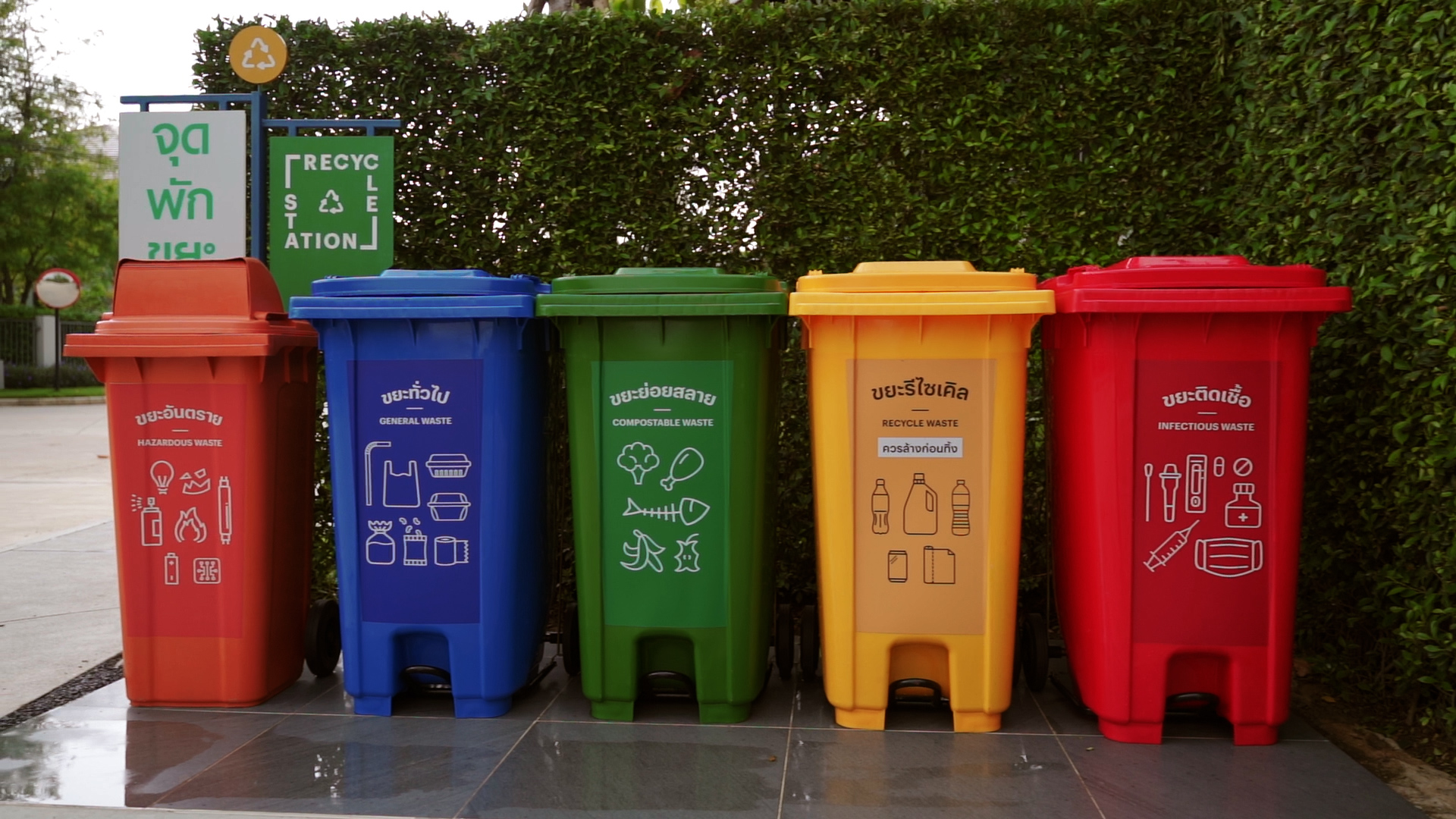
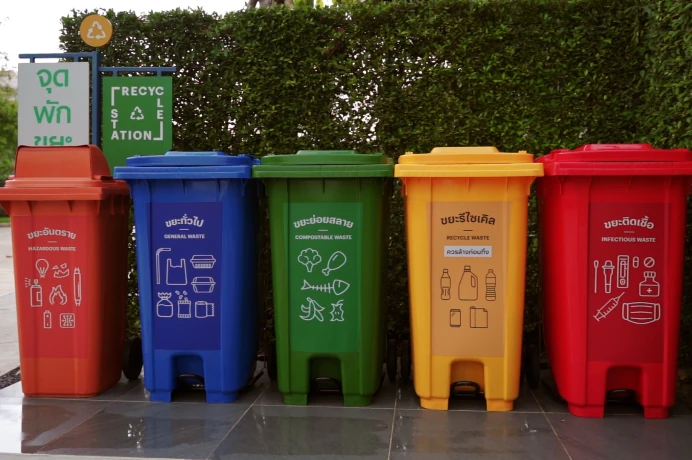
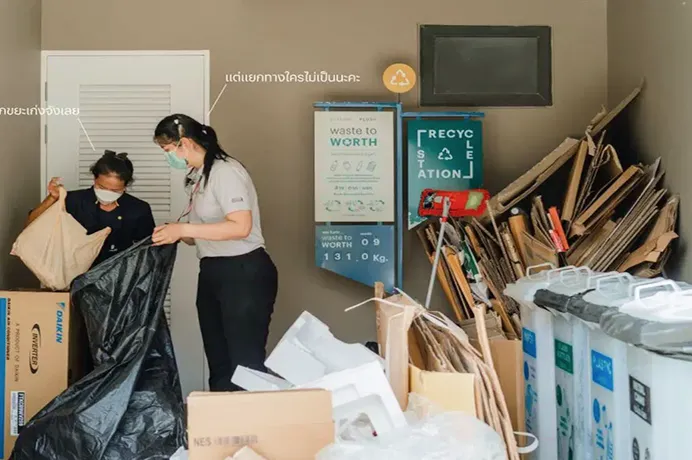
Sansiri has implemented waste management policies and guidelines as part of the Waste to Worth campaign, which focuses on the separation of waste for beneficial purposes. The objective is to decrease waste generation and promote collaboration with stakeholders across all sectors for systematic waste management. This effort includes the development of a manual and the provision of training on waste separation, reduction, and recycling for reuse. This initiative not only minimises the volume of waste directed to disposal but also lowers greenhouse gas emissions from waste disposal, supporting the goal of achieving net-zero emissions.
Construction Waste Management
Sansiri acknowledges that construction activities can produce substantial waste without effective waste management planning. Consequently, Sansiri has established a goal to enhance waste management efficiency in construction projects by mandating that contractors, employees, supervisors, and business partners separate waste at the source. Additionally, Sansiri designs and plans construction projects aimed at minimising waste generation, in alignment with its 2025 Waste Management Pathway to Success initiative.
Roadmap for Construction Waste Management 2025

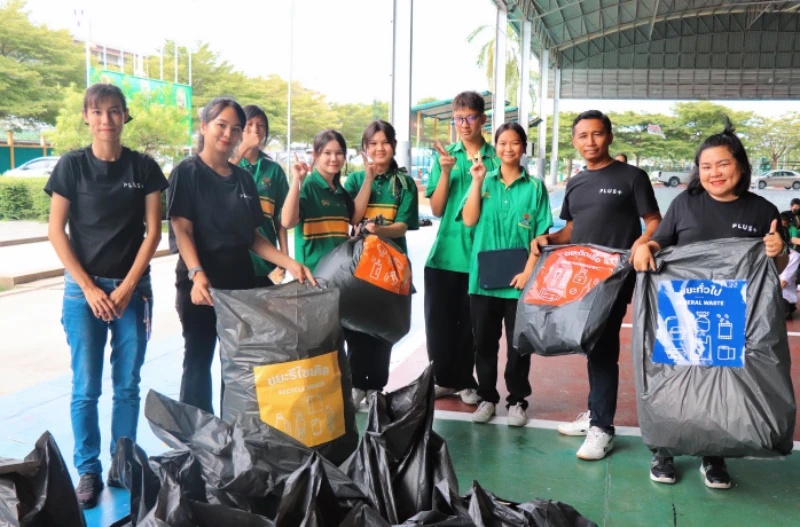
Sansiri has conducted training sessions on waste management in construction projects and worker houses for employees and contractors, equipping them with knowledge on proper waste classification and disposal methods on construction sites. Sansiri is also continuing its "Separate Waste for Rewards" campaign, producing signage in three languages (Thai, Khmer, and Burmese) to convey the importance of waste separation to workers. The campaign includes quarterly incentives and monetary rewards, aimed at effectively communicating the company's waste management goals and policies while enhancing awareness among stakeholders on construction sites.
Sansiri actively promotes waste recycling in accordance with the Circular Economy concept to reduce the volume of waste directed to landfills. This initiative involves reusing or repurposing unsold materials for optimal benefit within the project.
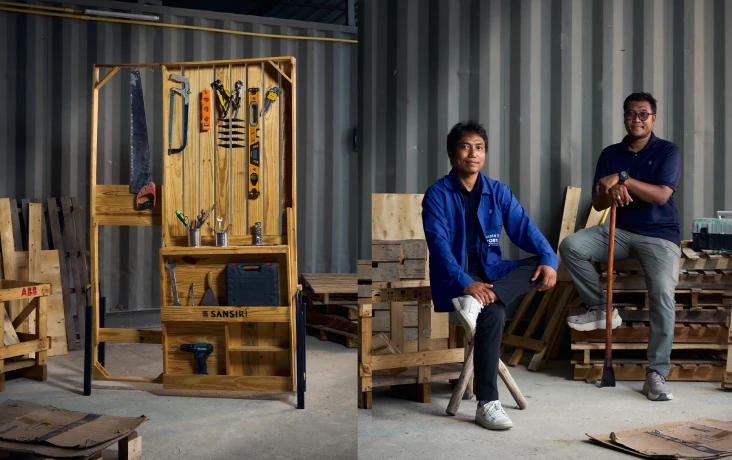

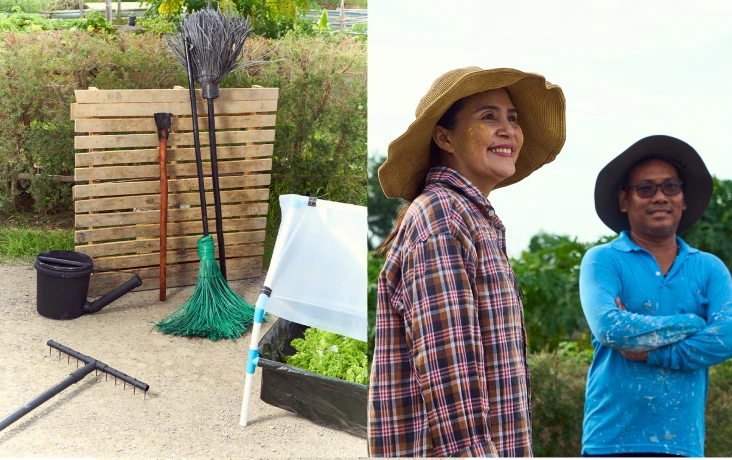
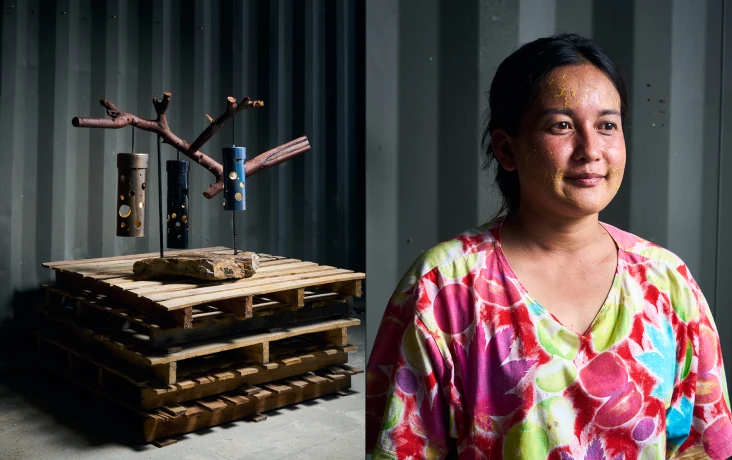
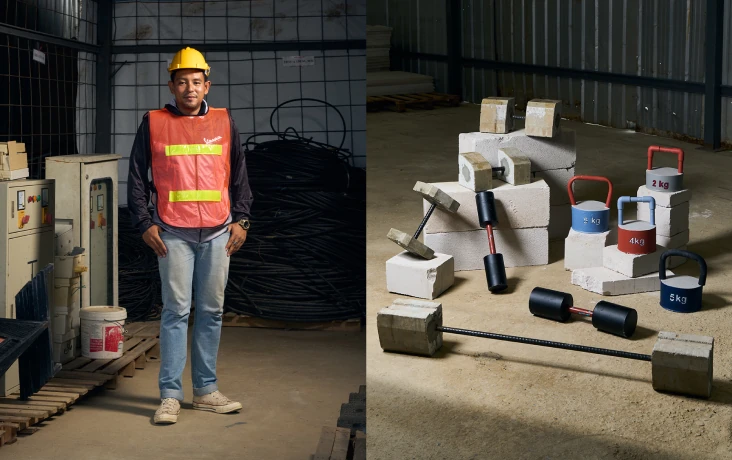
Waste Management Activities in Construction Sites
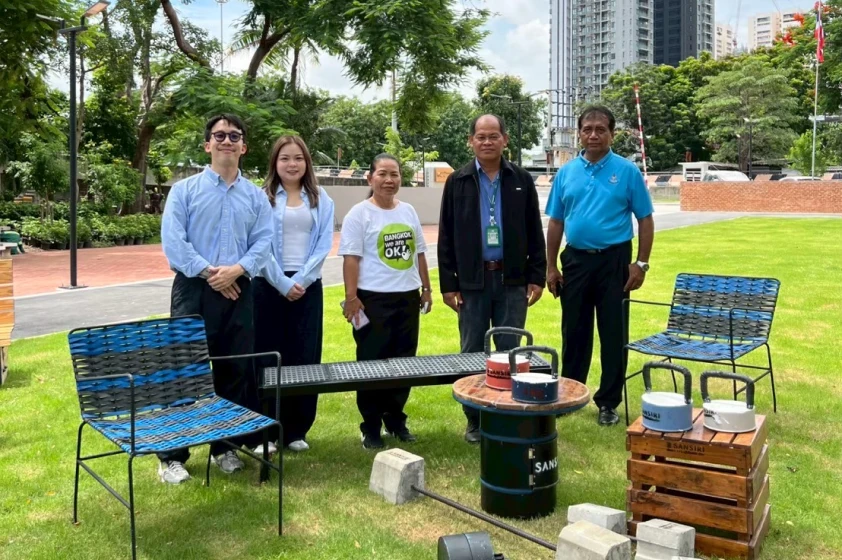
In 2025, Sansiri is persistent in advancing the Waste to Worth project at construction sites, emphasising waste separation and innovative reuse of waste materials to minimise environmental impacts and enhance the quality of life for construction workers.
A key activity is the "Waste to Worth Award" contest, which enables Sansiri construction projects to compete in effective waste management within the construction site and workers' accommodations. Quarterly assessments and monthly data recording are implemented to promote sustainable waste separation practices and encourage participation at the operational level.
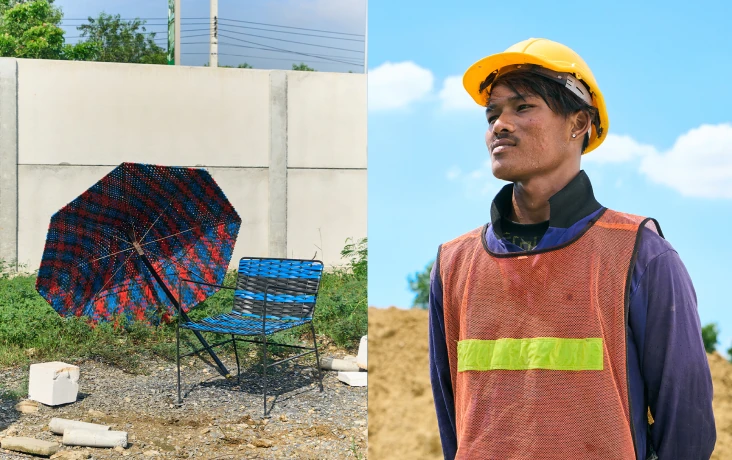
The systematic separation of waste has benefits in numerous aspects. Income generated from the sale of recycled materials has been utilised to acquire free water filters for construction site workers. Waste products, including broken tiles, paint buckets, and cement bags, have been repurposed into fertiliser bins, vegetable plots, and essential camp supplies such as handwashing basins, benches, and furniture made from reclaimed wood, thereby enhancing worker’s comfort and quality of life.
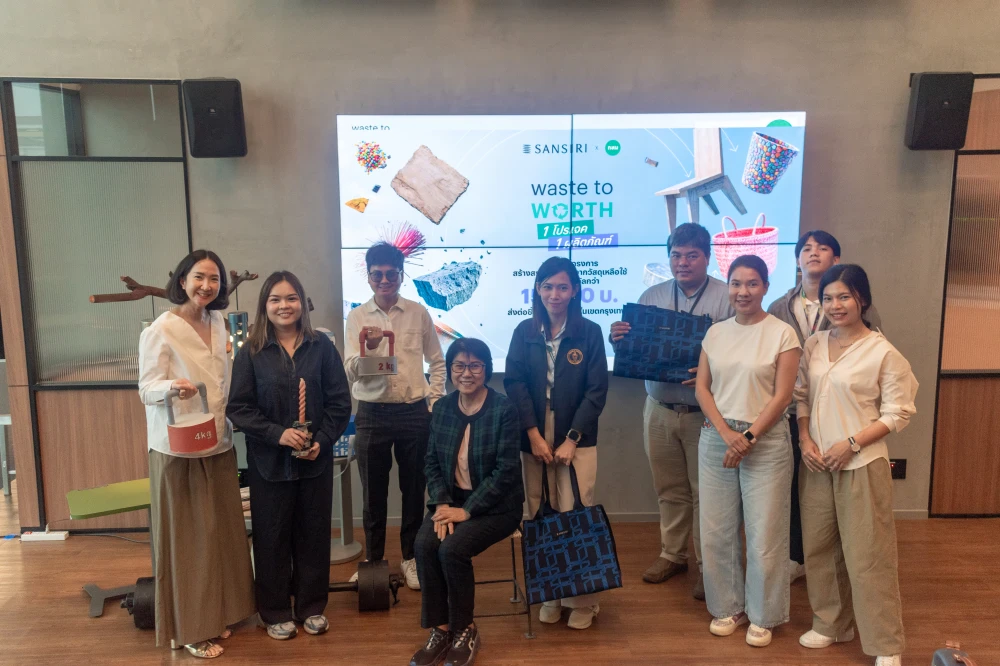
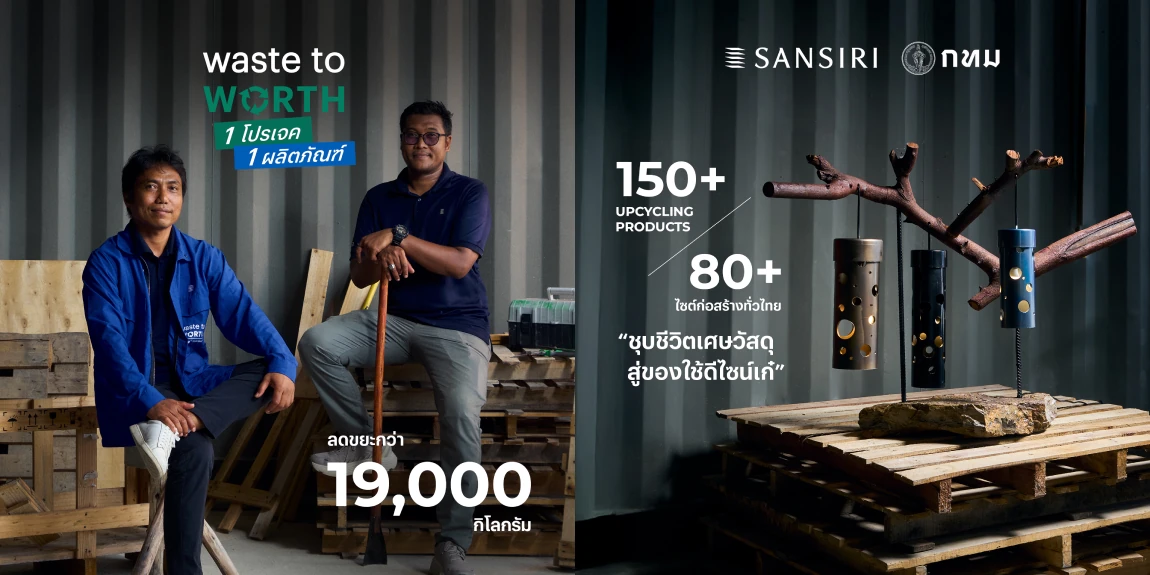
This year, Sansiri expanded the waste management initiatives in construction projects to benefit communities through the "Waste to Worth: 1 Project, 1 Product" programme, in collaboration with the Bangkok Metropolitan Administration. This initiative engaged Sansiri architects, engineers, and workers in designing products from recycled materials, which were subsequently distributed to communities for use.
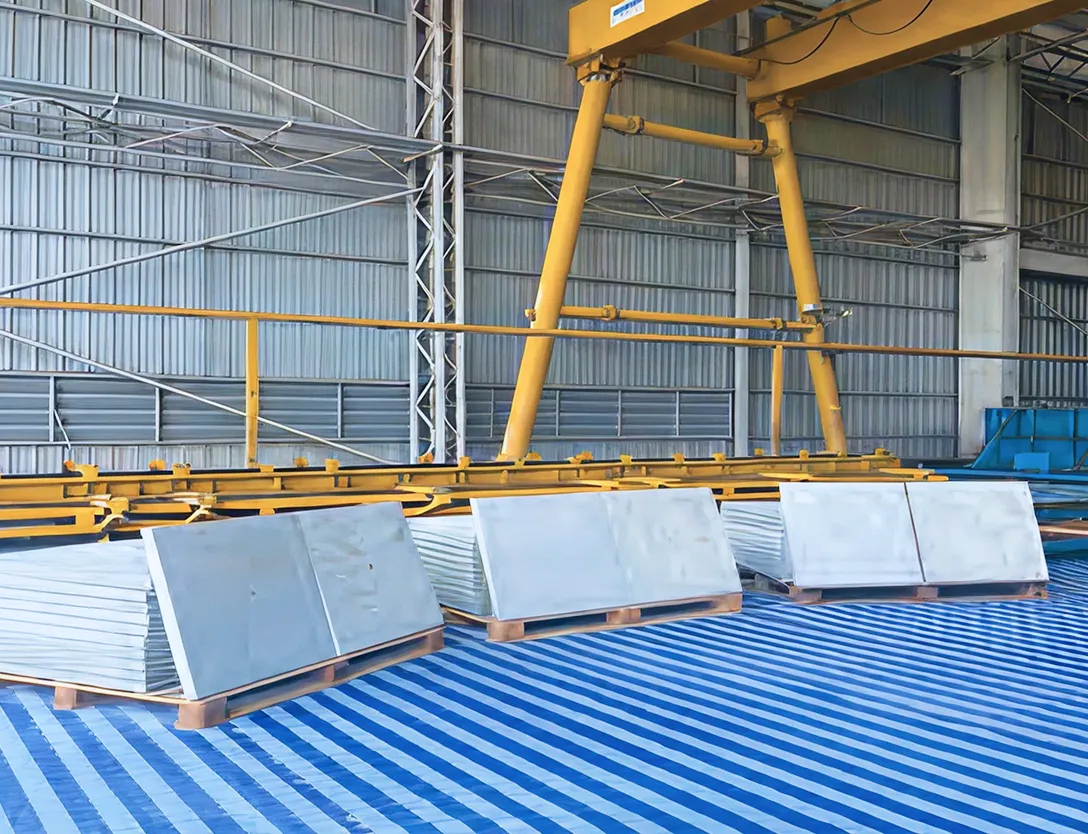
Waste management in the precast factory
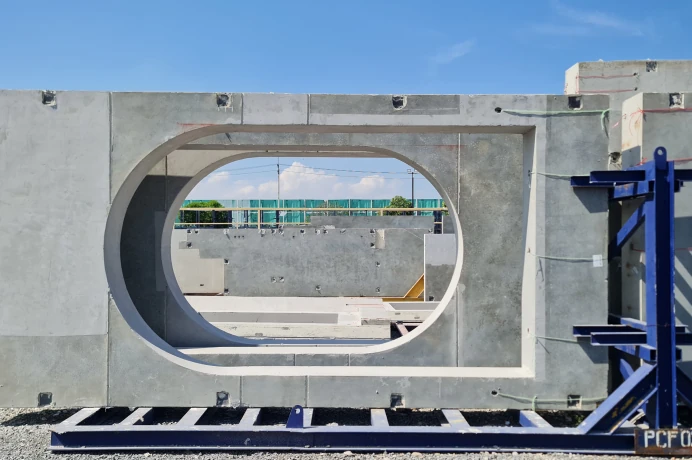
During the production of precast concrete slabs, a significant volume of foam waste is generated. Sansiri identified a valuable opportunity to repurpose this material as an ingredient in paving slabs.

Additionally, the concrete waste generated from precast production can be utilised to manufacture plant pots, which are subsequently distributed to surrounding communities. Each pot incorporates approximately 6 kilograms of concrete waste as an ingredient. So far, 30 pots have been delivered to nearby communities, resulting in a reduction of landfill waste by over 180 kilograms.
Performance
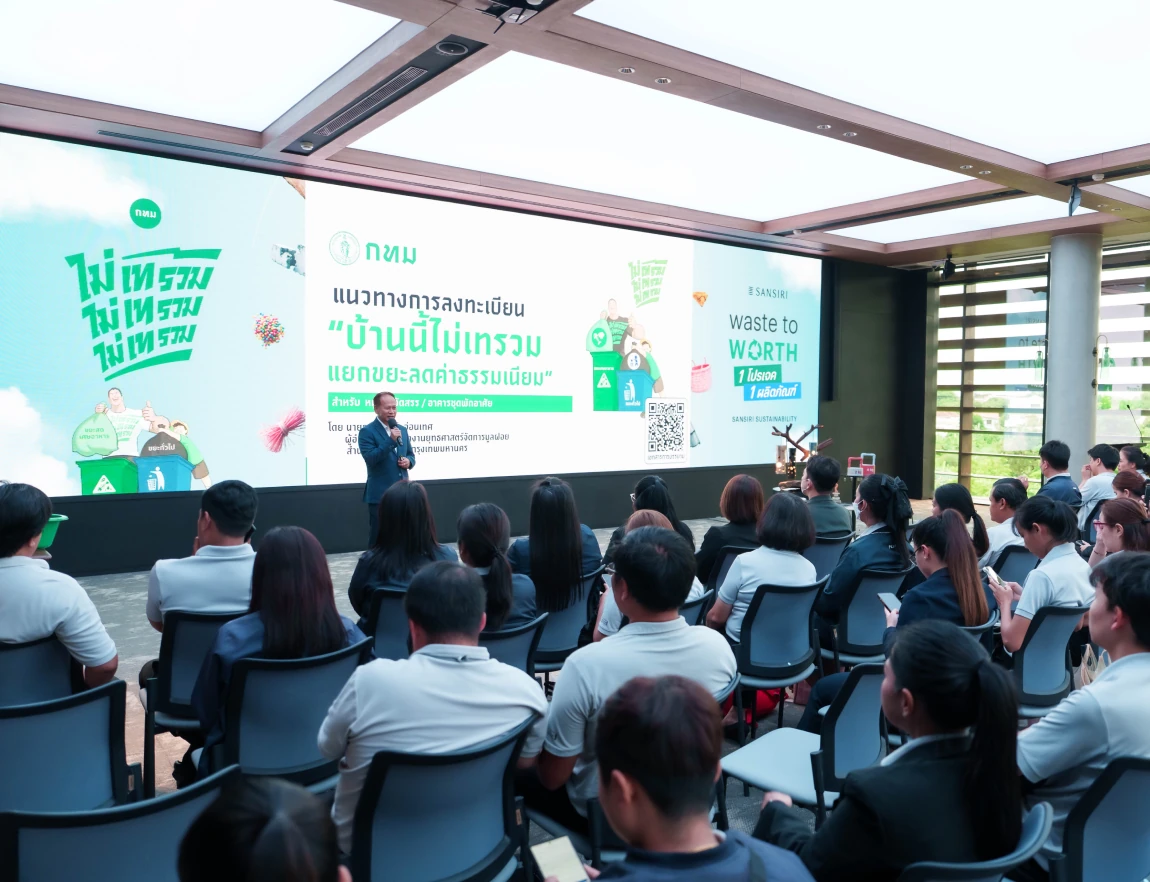
In 2025, Sansiri's business experienced growth alongside an increase in on-site employees, which led to a rise in the organisation's waste volume. Additionally, evolving lifestyles of residents, including remote work and a preference for online food and goods ordering, significantly altered the nature and type of waste generated. In 2025, waste volume rose by approximately 9%.

Air Pollution Management
Goals and Performances
Particulate matter less than 2.5 microns (PM 2.5) decreased by 30% by the year 2030 compared to the base year 2021 (50 micrograms per cubic metre in 2021).
PM 2.5 dust has decreased by
45%
compared to the base year 2021.
No circumstance of air pollution surpasses the legally established standard.
No circumstances of air pollution surpass the legally established standard.
Management Approach
Air Pollution Management in Precast Factory
The precast factory has implemented dust control measures on-site, including the installation of dust filters in the raw material storage silos and the enhancement of processes to function as a closed system. Additionally, dust, which is a significant air pollutant in the manufacturing process, is regularly monitored both inside and outside the factory premises to ensure compliance with legal standards and to mitigate any adverse effects on the environment and surrounding communities.
Air Pollution Management in Construction Sites
Sansiri acknowledges the significance of managing air pollution from dust particles generated by construction projects and has implemented air pollution control guidelines in compliance with applicable laws, including the requirements outlined in the approved environmental impact assessment reports for each project.
Indoor Air Pollution Management for Sansiri Residentials
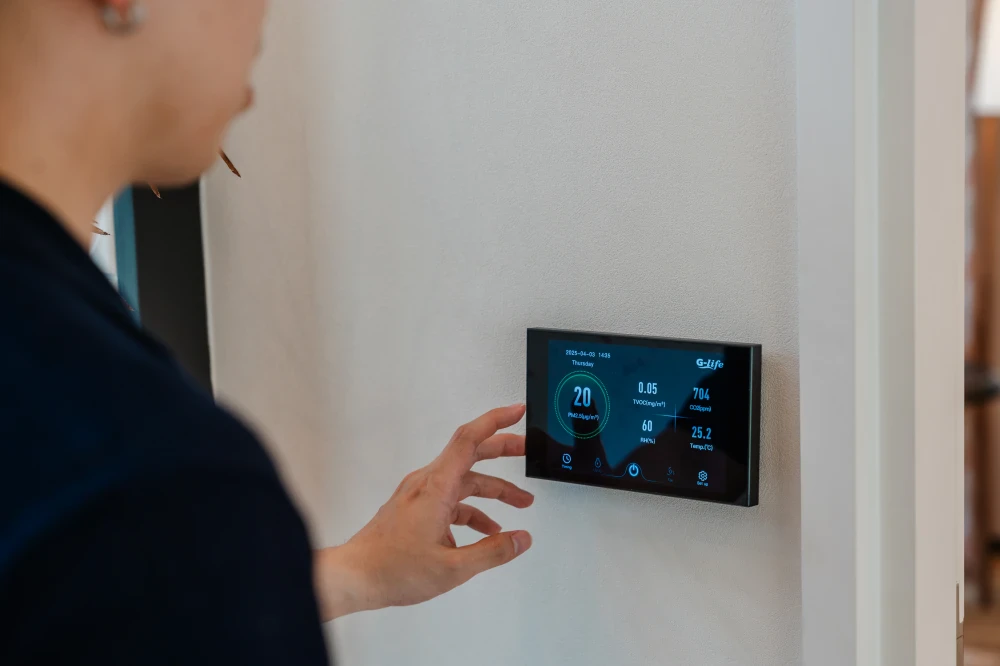
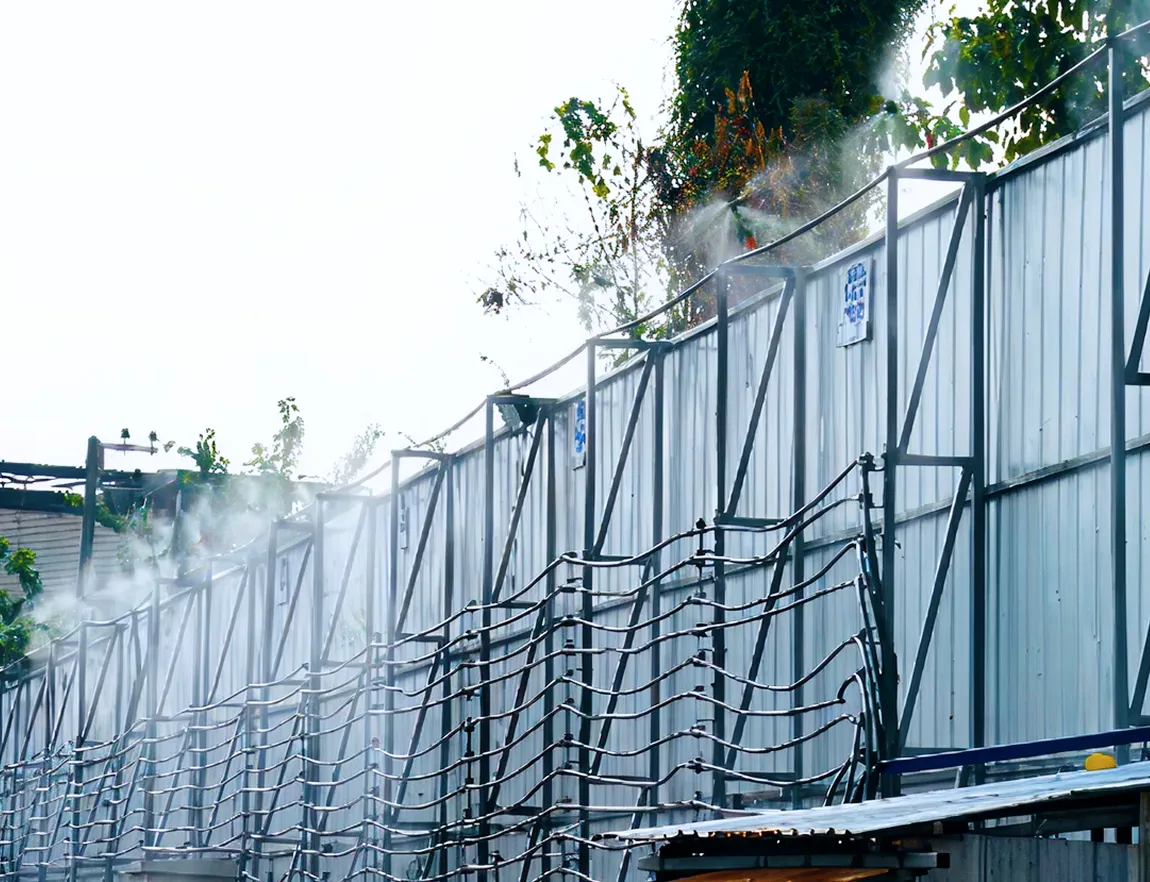
Sansiri acknowledges the residents' right to good health and emphasises air quality management within its residential projects. This commitment starts with the design phase, where environmentally friendly construction materials are chosen to ensure no pollution for residents. Additionally, the project consistently monitors both indoor and outdoor air quality, enabling residents to track air quality metrics, including PM2.5 levels, through a dedicated application. Efforts to minimise dust levels within the project area are also in place, including the deployment of water mist from the tops of condominiums and other buildings managed by Sansiri, as well as regular cleaning of the project area to reduce dust generated by vehicles and traffic. These initiatives collectively ensure the safety of residents from air pollution.
Performances
Dust Volume
(Micrograms per Cubic Meter)

Precast Factory

Construction Sites
By 2025, the Company has not received any complaints regarding dust pollution resulting from its construction processes, whether during material transportation or other phases of construction, leading to project completion.

Resource Management
Goals and Performances
The proportion of green concrete utilised at the precast plant in relation to the total concrete use is 100%
96%
At the precast plant, green cement is employed, incorporating 15% limestone substitute materials, in order to minimise the consumption of limestone and natural resources.
Utilising green concrete that incorporates
10%
limestone as a substitute.
Management Approach
Effective resource management is a critical component of real estate operations, focusing on minimising material waste and sourcing sustainable materials throughout the lifecycle of a residence or building. The Company has implemented strategies for material and equipment selection, including the use of recycled materials, water-conserving devices, and products designed with specific temperature-reducing or energy-saving properties suitable for the location. Furthermore, the Company has developed clear criteria and processes for inspecting the quality of recycled materials intended for use in construction.
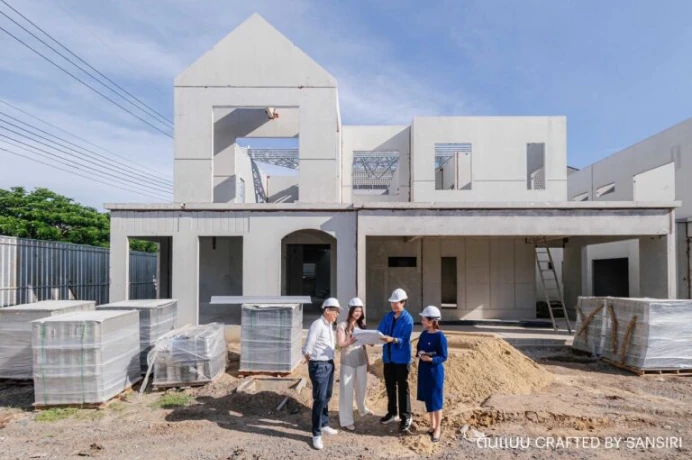
Furthermore, to ensure that Sansiri's business processes genuinely account for environmental impact and sustainability, the Company has organised workshops focused on integrating Life Cycle Assessment (LCA) into the initial design phase of all new projects. By 2025, the Company will have finalised this training for stakeholders. Additionally, precast concrete panels from Sansiri's factories have been awarded the Carbon Footprint (CFP) certification by the Thailand Greenhouse Gas Management Organisation (TGO). These precast panels emit merely 623 kilograms of carbon dioxide equivalent per unit of product. The CFP certification evaluates greenhouse gas emissions across the entire product life cycle, encompassing raw material acquisition, manufacturing processes, transportation, utilisation, and post-use management, in accordance with the principles of LCA (Life Cycle Assessment). This information is essential for analysing environmental impacts and strategising future product enhancements aimed at sustainability.
Performance
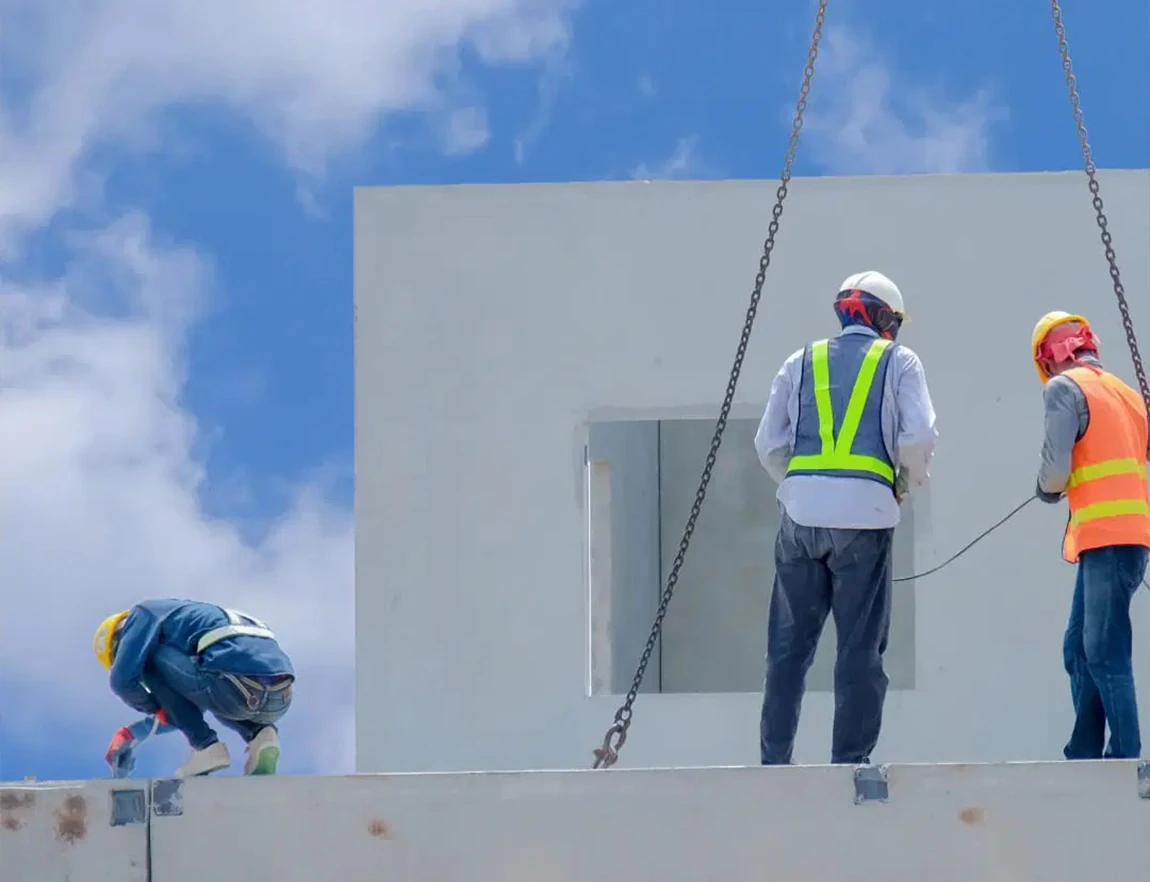
Sansiri has refined its precast concrete panel manufacturing process with a focus on minimising concrete usage per unit to enhance resource efficiency and mitigate environmental impact. This is accomplished by optimising the material mix formula and redesigning the molds to utilise the ideal quantity of concrete. As a result, concrete consumption is decreased without sacrificing the quality, strength, or performance standards of the product. Additionally, the company emphasizes the reduction of resource impact by transitioning to environmentally friendly concrete in its construction and development projects. This green cement significantly lowers energy consumption during the production process and reduces carbon dioxide emissions, while still meeting the strength and quality standards of traditional concrete.
This increased adoption of green concrete is projected to decrease conventional cement consumption by approximately 13,000 tonnes, leading to a reduction of around 11,700 tonnes of carbon dioxide equivalent greenhouse gas emissions.
Relevant Stakeholders

Investors and Shareholders

Community and Society

Suppliers and Business Partners

Government Agencies