Supply Chain: Social

Importance and Mission
Stakeholder activities and initiatives throughout the value chain are integral to Sansiri's business operations, as they are connected to strategy formulation, corporate policy development, and planning that considers the interplay between business and society. This underscores the significance of mitigating both direct and indirect impacts stemming from business operations. Sansiri acknowledges the potential positive and negative effects that may arise across various environmental, economic, and social dimensions, from upstream to downstream. These include the use of natural resources, building construction, site selection and structural design, protection of employment and labour rights, and the influence on the livelihoods of communities in areas where projects are located.
For this reason, Sansiri emphasises the importance of comprehensive value chain management, with particular focus on the supply chain, which is a vital component of the business operations. This process includes sourcing, selection, and procurement while considering social and environmental impacts and adhering to the sustainable business practices of the suppliers. This framework, aligned with the social enterprise policy, environmentally responsible procurement policy, and other relevant guidelines, ensures that customers and all stakeholders recognise their role in contributing to the sustainable development of the supply chain. It facilitates the delivery of quality products and services, enhances revenue, and improves the organisation's long-term image.
Supporting the Sustainable Development Goals

SDGs 9

SDGs 10
SDGs 11
SDGs 12
SDGs 15
Goals and Performances




Value Chain Management Approach: Social
Management Approach
Sansiri prioritises enhancing the quality of life and well-being of local communities to foster sustainable growth in tandem with the organisation. This support and assistance underscore the Group's dedication to generating a positive social impact in the regions where Sansiri undertakes its projects.
By 2025, the Company plans to broaden its residential project portfolio in high-potential locations and to develop condominium projects in urban areas to address market demand. Additionally, the Company has strategic expansion initiatives in key tourist destinations, including Phuket, Pattaya, and Khon Kaen, which will not only generate business opportunities but also directly invigorate the local economy.
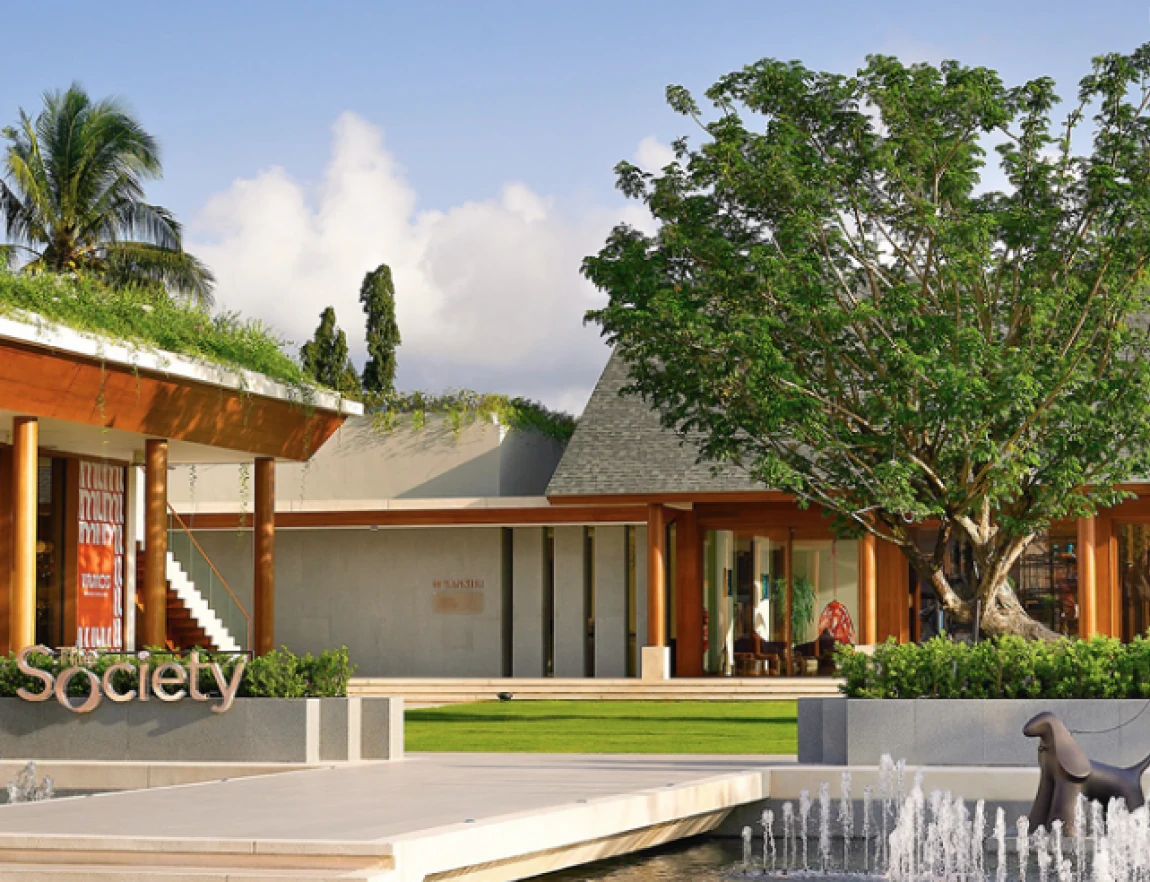
Property Portfolio Management Approach
Sansiri acknowledges the varied roles of its stakeholders in the supply chain, encompassing tenants, residents, customers, and local communities, all of whom have both direct and indirect connections to the Company's business operations. Consequently, the Company prioritises the establishment of positive and sustainable relationships with these stakeholder groups, particularly within the social dimension, which is a fundamental pillar of sustainable development.
Sustainable Property Portfolio Management Policy
To this end, clear policies and processes have been established for the communication and engagement with tenants and the community, facilitating the effective addressing of their opinions, suggestions, and complaints related to the company's operations. Communication is conducted through the company's primary channels, which include the 1685 call centre, the Sansiri website, and project representatives during public hearings.


This approach ensures that stakeholders have comprehensive and transparent access to the Company’s information, policies, and activities. Furthermore, Sansiri proactively engages with the community and tenants on an ongoing basis through activities such as community visits, meetings with residents and tenants, and the appointment of company representatives dedicated to listening to and coordinating with local stakeholders. Information gathered from these interactions is utilised to enhance services and activities to better meet stakeholder needs.
Moreover, Sansiri acknowledges the significance of real estate portfolio management as a crucial mechanism influencing individuals' quality of life, particularly within the supply chain that includes partners, employees, and contractors, all of whom are essential stakeholders in the organisation's sustainability. Consequently, the Company has formulated a Sustainable Property Portfolio Management policy aimed at enhancing worker well-being through the establishment of standards for safe and appropriate use of spaces and properties, which encompasses offices, construction sites, and other work areas. This initiative fosters well-being and quality of life by providing rest areas, adequate restrooms, effective ventilation systems, and a sanitary environment. It also upholds human rights, diversity, and equality for all stakeholders, ensuring that business activities are carried out in accordance with the principles of non-discrimination and equal access to opportunities. Furthermore, the Company actively fosters relationships and engages with stakeholders in areas pertinent to its operations to solicit their feedback and guide operational developments that correspond to the needs of tenants and surrounding communities. Additionally, the Company systematically monitors and evaluates the social impacts of its operations within the supply chain to guarantee that the activities of partners, residents, and stakeholders align with the organisation's sustainability standards.
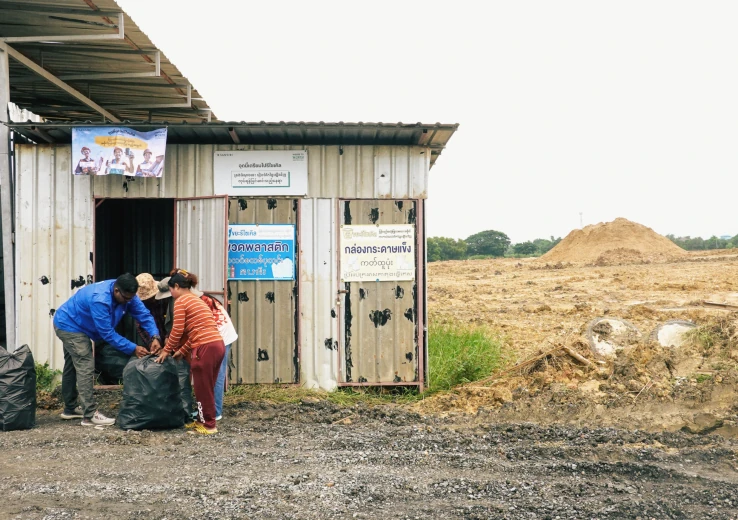
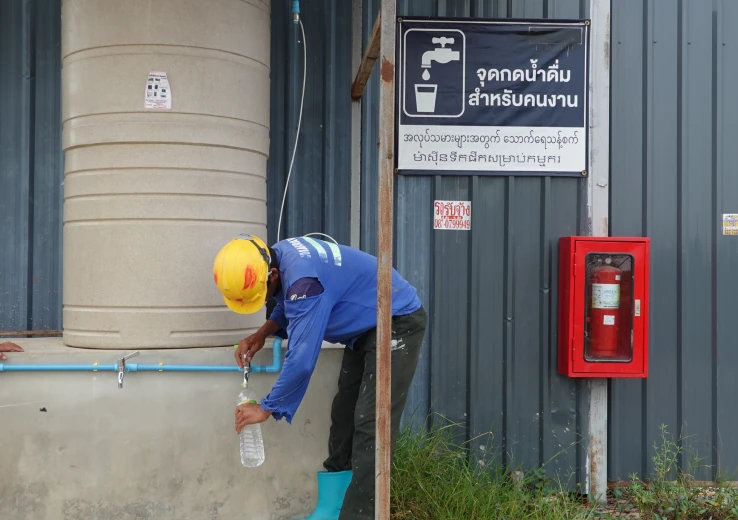
Design and Develop Projects for All Stakeholders
Sansiri places a high priority on the selection of project locations, especially for office buildings, commercial properties, and residential projects, to guarantee that stakeholders, including business partners, tenants, and residents, have convenient and comprehensive access to the projects via public transportation.
Throughout all project design and development process, the Company prioritises accessibility to public transportation as a fundamental consideration, especially in urban areas characterised by comprehensive electric train and mass transit networks. This approach aids in decreasing dependence on personal vehicles and encourages the utilisation of environmentally friendly transportation systems. Additionally, access routes to projects are evaluated during the design and development phase, as well as during the Environmental Impact Assessment (EIA) of Sansiri projects before construction commences.
Furthermore, Sansiri places a strong emphasis on designing spaces that are accessible and usable by all individuals, particularly the elderly, children, and those with disabilities. This commitment is reflected in the incorporation of universal design principles in the development of residential projects, commercial buildings, hotels, and rental spaces. Notable features include the installation of sliding doors instead of knob-type doors, the lowering of floor levels in bathrooms, the use of materials that minimise impact for the elderly, and the provision of standardised ramps at building entrances and surrounding areas for wheelchair users.
Additionally, bathrooms are designed with sufficient space for wheelchair mobility, elevator buttons are positioned at accessible heights for individuals with disabilities, and pathways are equipped with appropriate surfaces and directional signage for the visually impaired. All of these elements have been meticulously designed and inspected to comply with the Ministerial Regulation on Building Facilities for the Disabled, Handicapped, and Elderly (No. 2) B.E. 2564, ensuring equal access and usability of project spaces for everyone.



Highlight Projects
Community Rehabilitation or Urban Regeneration Initiatives
With this intention, the Group has undertaken initiatives aimed at developing and revitalising communities across multiple dimensions, including economics, society, and the environment, to sustainably enhance the quality of life for local residents. The specifics of the implemented projects are outlined below:
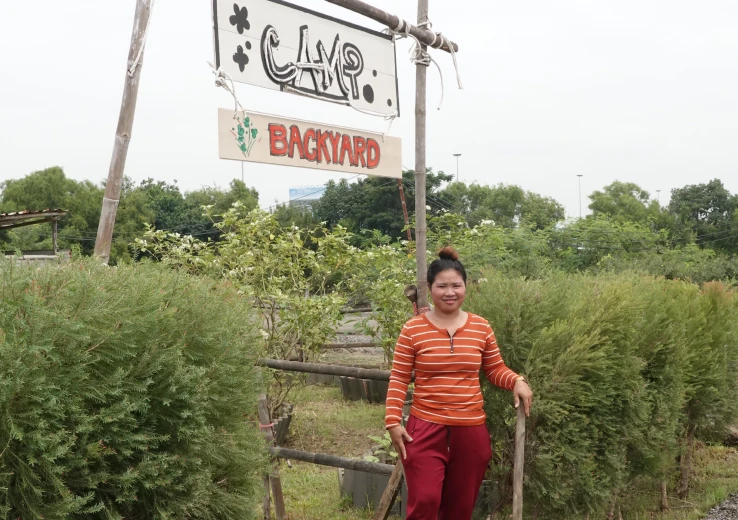
Sansiri Backyard
Sansiri Backyard represents a green space initiative integrated within Sansiri's residential developments. It originated with the objective of establishing environments that promote cultivation for sustenance, lifestyle, and education. The aim is to ensure that these green spaces genuinely contribute value in terms of consumption, aesthetics, and collaborative learning within the community. In 2025, this concept has been methodically advanced and expanded under the designation Sansiri Backyard 2025, featuring a comprehensive design that incorporates aspects of functionality, beauty, sustainability, and community engagement.

Sansiri Backyard represents a green space initiative integrated within Sansiri's residential developments
“For Sustenance, Lifestyle, and Education”
The Core Concepts are as follows:
Edible Landscape
Designing green spaces for food-related purposes, including the cultivation of vegetables, herbs, and fruits, optimises the utilisation of urban space for nutrition, education, and household food security.
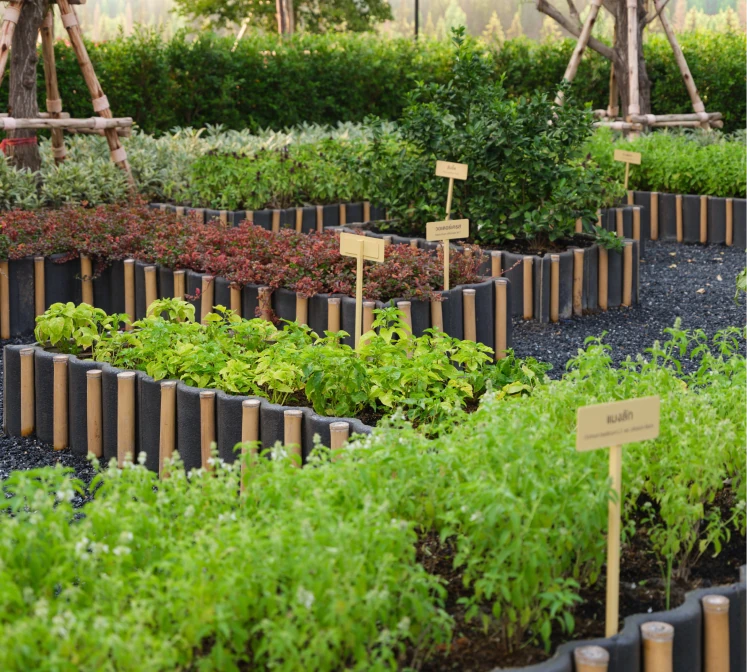
Photogenic Scene & Entrance
Designing aesthetically pleasing and attractive spaces contributes to the development of a new image for the city and promotes the ongoing utilisation of public areas.

Universal Accessible Design
Designing spaces that are accessible to all individuals, including the elderly, children, and people with disabilities, fosters an inclusive and equitable urban environment.
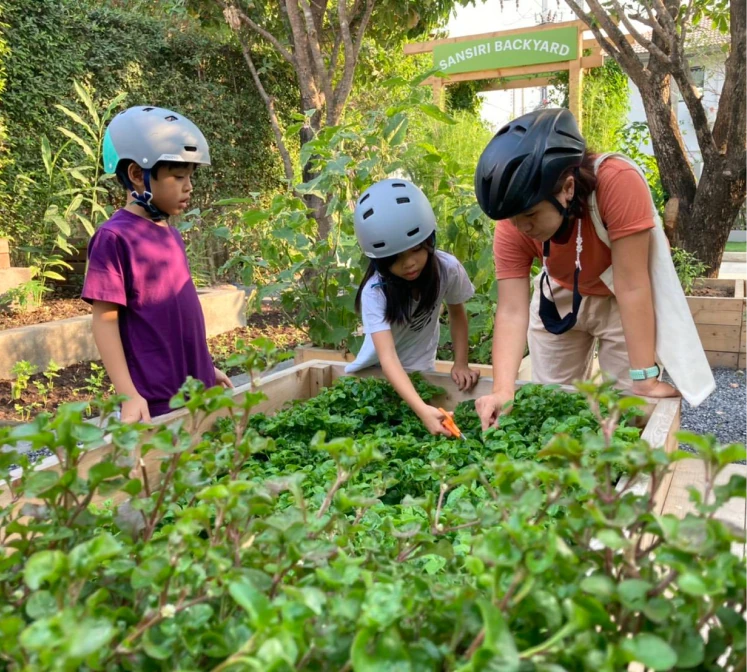
Community Engagement
Providing residents with opportunities to engage in the care and development of green spaces fosters a sense of ownership and enhances relationships and social capital within urban communities.
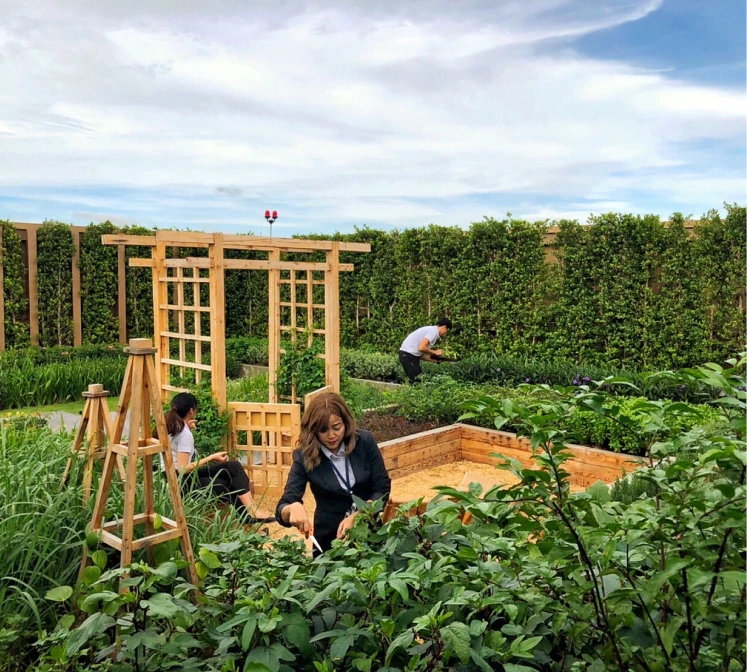
Learning Space
Backyard spaces can function as educational hubs focused on the environment, agriculture, and sustainable living, promoting a regenerative and nature-friendly lifestyle for urban residents.

Sustainability Integration
Integrating the backyard concept with corporate sustainability objectives entails reducing carbon emissions, enhancing green space, and utilising resources efficiently to develop cities that are both environmentally sustainable and conducive to a high quality of life.

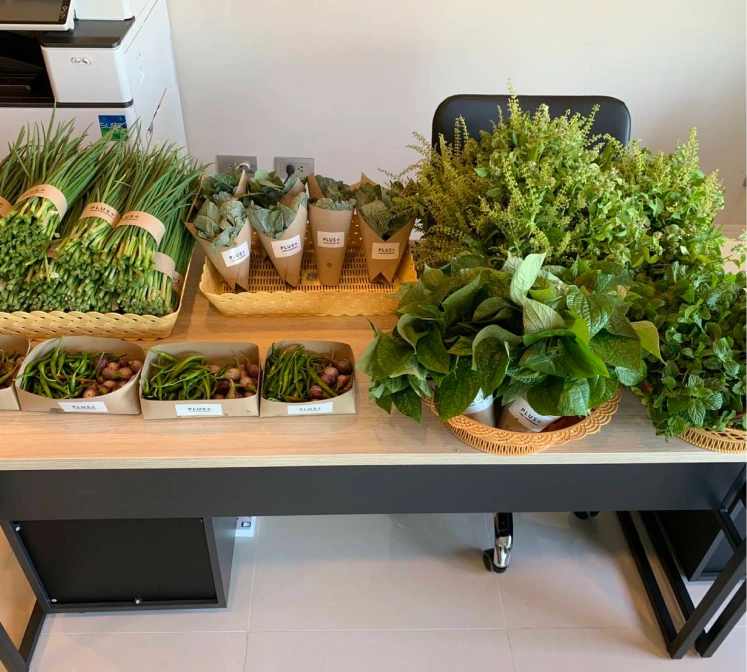
Plant Selection Strategy
The allocation of plants in the appropriate proportions, specifically, 70 percent edible plants, 20 percent herbs, and 10 percent aesthetic plants serves to integrate functionality with the visual appeal of the urban environment.
Sansiri Backyard extends beyond the mere addition of green space to residential projects; it focuses on the proactive design of environments that contribute to sustainable urban regeneration. This initiative harmoniously blends functional living with nature, aesthetic appeal, and community education, aiming to cultivate a genuinely vibrant, valuable, and flourishing urban ecosystem.
In addition to the Sansiri Backyard project, the Group has undertaken various urban development initiatives aimed at enhancing public safety and quality of life. Among these initiatives is the construction of a pedestrian overpass in front of the Dcondo Vivid Rangsit project, which connects it to Bangkok University and mitigates the risks associated with road crossings in congested areas. The project also encompasses improvements to sidewalks, thereby ensuring safety and accessibility for the public. Moreover, the Group has thoughtfully designed public spaces in front of projects such as NIA by Sansiri and The Base Bukit Phuket, making them both functional and aesthetically pleasing to foster the well-being of adjacent communities. This underscores the Group's commitment to advancing sustainable urban areas into thriving communities across all locations in which it operates.
Supplier Management
Goals and Performances
Management Approach
The Company asserts that sustainable business operations cannot be achieved in isolation. Sansiri is committed to empowering its partners to grow in tandem with the Company and to advance collectively. Consequently, Sansiri has developed a business strategy that includes maintaining consistent performance, managing our ready-to-sell product portfolio, and integrating product, service, and sustainability priorities into our supply chain management strategy. This approach aims to create value for all stakeholders while minimising potential long-term environmental and social impacts.
Simultaneously, the Company remains dedicated to enhancing our network of partners and suppliers within the supply chain by fostering collaboration with new business associates to effectively develop joint projects. This initiative focuses on creating value across all sectors of the supply chain, promoting local employment, and utilising responsible materials. Such considerations render supply chain management strategies increasingly vital, particularly in ensuring reliable material sourcing and procurement from diverse and transparent partners, thereby mitigating risks of material or labour shortages that could affect project construction. All these efforts are geared towards ensuring the company successfully achieves its objectives.
5 Sansiri Supply Chain Management Strategy includes

Resilience and Agile
The Company is dedicated to the ongoing pursuit of new partners and contractors to effectively address the challenges posed by the evolving construction industry and rapidly changing market demands. Consequently, the acquisition of new partners and contractors is a critical strategy to mitigate the risks associated with over-reliance on current partners and to enhance access to innovative products and services aligned with future housing trends. Additionally, the Company has placed a priority on strategic partnerships to implement suitable management approaches.


Transparency
The Company has formally communicated its Green Procurement Policy and Standards to ensure that its partners are fully informed of the credit terms and conditions outlined in the Payment Terms, Procurement Practices, and the sustainability requirements that the Company expects its partners to adhere to rigorously.


ESG at Heart
The Company places a high priority on sustainability issues at every stage of its partner and contractor management, encompassing selection processes, assessments, and after-sales service, with the aim of mitigating potential environmental, social, and governance (ESG) risks.


Worth the Cost
Sansiri prioritises the procurement of high-quality products and services that adhere to standards of quality, cost-effectiveness, reasonable pricing, and timely delivery.


Innovation and Collaboration
Sansiri actively seeks opportunities to collaborate with partners and contractors through knowledge exchange, joint capacity building, and the promotion of innovation in work processes, aimed at enhancing competitiveness and supporting sustainable growth for both the organisation and its business partners.

Supplier Management Structure
Sansiri’s supplier management structure includes,

Procurement Department

Quantity Surveyor Department

Quality Control and Project Support Department
These departments are tasked with procuring construction materials and products for various projects to ensure the organisation receives quality products or services that meet established standards and objectives of procurement. Additionally, it continuously seeks new partners to mitigate the risk of construction partner shortages and enhance opportunities to procure products that respond to global trends while aligning with Sansiri's real estate development philosophy. The Company has incorporated environmental, social, and governance (ESG) considerations into the procurement process, making them a fundamental criterion in the systematic selection of new and existing partners.

Green Procurement Policy and Supplier Code of Conduct (SCOC)
The Company has implemented a Green Procurement Policy aimed at ensuring that the procurement of products and services is environmentally sustainable and in compliance with all relevant regulations, laws, and appropriate supplier qualifications and selection processes. Additionally, a Supplier Code of Conduct (SCOC) has been established, addressing key areas such as environmental practices, human rights, equitable employment and working conditions, operational safety, and business ethics. Suppliers associated with Sansiri are required to acknowledge and fully comply with this Code of Conduct. To guarantee that supplier operations align with the Company's standards, Sansiri conducts ongoing monitoring and audits, with a particular focus on suppliers of strategic importance or those associated with sustainability risks.
Key Performances
The Company conducts comprehensive monitoring and assessment of its supply chain management. This data is utilised to analyse and plan for continuous improvement in operational quality. The Company also aims to enhance work efficiency and optimise resource utilisation. Furthermore, the Company prioritises the management of potential supply chain risks that could affect business operations. Historical challenges and management strategies have been documented to prevent recurrence and facilitate the development of future projects aimed at greater efficiency. In 2025, the Company achieved the following key performance results:
Critical Supplier Identification

Critical Supplier
In 2025, Sansiri holds the following proportion of total purchase value from suppliers:
- Order Value 0-50 million Baht = 98%
- Order Value 51-100 million Baht = 1%
- Order Value >100 million Baht = 1%
Sansiri has established the criteria to identify critical suppliers, both direct business involvement (Critical Tier 1) and indirect business involvement (Critical Non-Tier1) with Sansiri, based on the following criteria:
-
Critical Tier 1
1. Suppliers who do business directly with Sansiri with contracts value of 50 million Baht or higher.
2. Suppliers who sell crucial products or services that cannot be exchanged or replaced.
-
Critical Non-Tier 1
Suppliers of Sansiri’s critical tier 1 suppliers who have high trading volume and those selling products or providing crucial services that cannot be exchanged or replaced. These suppliers deliver products and services to Sansiri through Sansiri’s critical tier 1 suppliers.

Total Criteria Tier 1 suppliers:
28
Total Criteria Non-Tier 1 suppliers:
116
Supplier Screening and Selection
Sansiri selects both new and existing suppliers through a comprehensive quality management process. Environmental, Social, and Governance (ESG) assessments are conducted based on supplier performance categories to ensure their preparedness to operate in alignment with the Company's sustainability strategy. Furthermore, pre-bid inspections of production sites are undertaken to evaluate the quality of manufacturing processes and ensure adherence to established standards. This strengthens Sansiri's confidence in delivering quality projects to customers in accordance with its sustainability goals.
ESG criteria for selecting and evaluating suppliers for new suppliers and existing suppliers
Environmental

Social

Governance

Risk Assessment from Suppliers
| Total Suppliers | Amount | % |
|---|---|---|
| Total Suppliers | 4,273 | 100 |
| New Suppliers | 1,012 | 23 |
| New suppliers that have been evaluated for ESG risk | 186 | 4 |
| Total suppliers that have been evaluated for ESG risk | 214 | 5 |
| Total suppliers that have been evaluated for economic risk | 214 | 5 |
The ESG risk assessment indicated that in 2025, there were no ESG High Risk Suppliers. However, the Company has developed preventative measures and strategies to address any potential future risks. Sansiri has also evaluated potential economic risks associated with suppliers, including the dependency on a limited number of suppliers, the risk of inadequate delivery to satisfy demand, and fluctuations in construction material prices. In 2025, no suppliers were identified as having economic risks. Nonetheless, the Company has implemented the following measures to mitigate these risks:
Supplier Assessment
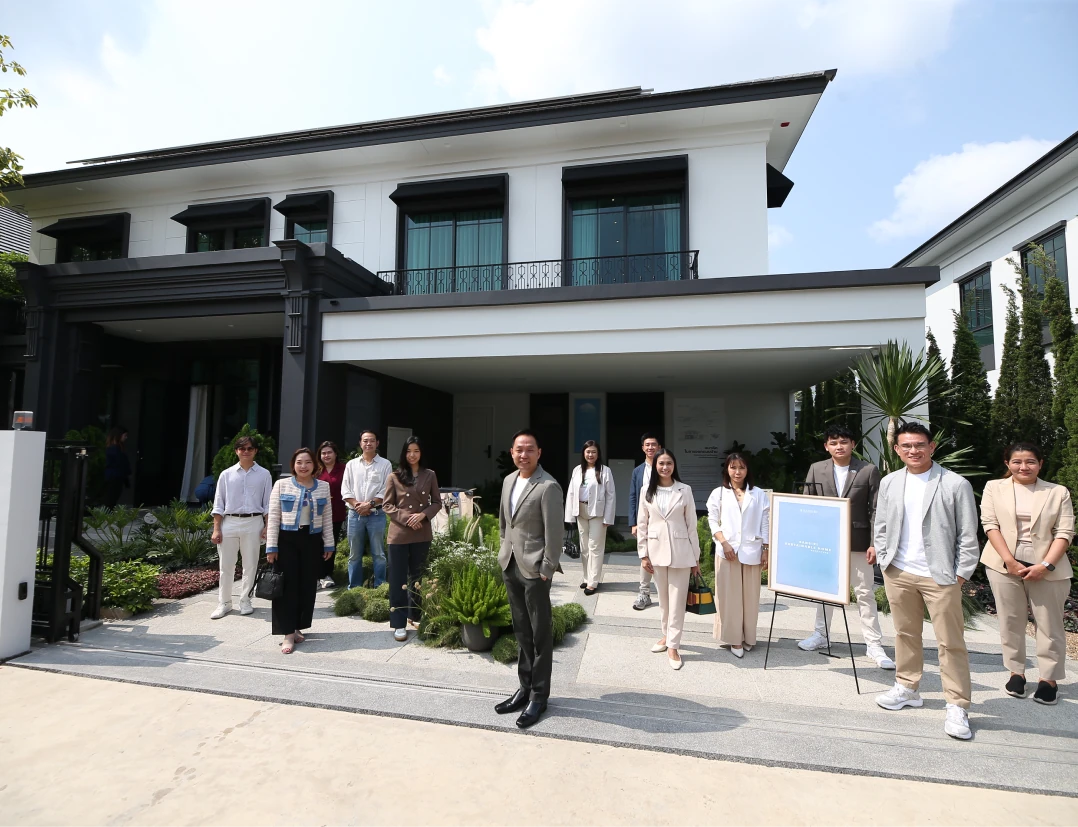
Sansiri is dedicated to enhancing operational standards in accordance with the Supplier Code of Conduct and the guidelines for sustainable value chain development. This commitment involves conducting bi-annual monitoring and assessments of operational and product quality, in collaboration with the Procurement, Quality Control, Home Care, and Project Development departments, both during and after the implementation of projects. Additionally, the Company has incorporated sustainability considerations into its supply chain risk assessments, addressing economic, social, and environmental dimensions, as well as the supplier selection process. Should a supplier be identified as posing a high risk, the company will mandate the development of appropriate preventative and corrective action plans.
Beginning in the year 2024, Sansiri has mandated that its business partners submit certification documents for sustainability assessments from appropriate agencies, such as the Green Factory certificate from the Ministry of Industry or the carbon footprint label of products from the Greenhouse Gas Management Organisation (TGO). This requirement is intended to validate their commitment to environmentally responsible business practices and to ensure alignment with the Company’s sustainable development guidelines.







Project Quality Inspection
Sansiri conducts project quality assessments both during and after construction, addressing construction safety issues and overall construction quality. These assessments are carried out by the project development and quality control teams through a quality control application (QC Application) utilised to identify defects and repair items in each project, thereby facilitating efficient and timely operations. In 2025, Sansiri received one quality complaint, which reflects the rigorous and continuous quality control process and the reduction of customer complaints pertaining to project quality.

ESG Performance Audit of Suppliers (ESG Audit)
Sansiri mandates that its Critical Suppliers and ESG High Risk Suppliers undergo an ESG Onsite Audit. The assessment criteria encompass quality management, child and labour rights, occupational health and safety, and environmental considerations, in accordance with the practices outlined in Sansiri's Supplier Code of Conduct. The evaluation is carried out by the Procurement, Quality Control, and Project Development departments. In 2025, the Company performed supplier ESG performance assessments through both on-site visits and telephone interviews.
If any supplier assessed for ESG and the Supplier Code of Conduct is identified to have issues requiring improvement, Sansiri will engage in discussions with the supplier to identify corrective actions and offer recommendations to enhance the ongoing development of ESG operations.
| Critical Suppliers | Amount | % |
|---|---|---|
| All critical suppliers and ESG high-risk suppliers | 28 | 100 |
|
Critical suppliers and/or ESG high-risk suppliers who have been audited under ESG criteria
|
28 | 100 |
| Critical suppliers and/or high-risk suppliers that have undergone assessment for ESG and have been identified as at risk of environmental impacts. | 0 | 0 |
| Critical suppliers and/or high-risk suppliers identified as being at risk of environmental impacts from the assessment, along with plans to address these issues. | 0 | 0 |
| Critical suppliers and/or high-risk suppliers that have undergone assessment for Environmental, Social, and Governance (ESG) factors and have been identified as being at risk of social impacts. | 0 | 0 |
| Critical suppliers and/or ESG high-risk suppliers who have been identified as being at risk of social impacts from the assessment, along with plans to address these issues | 0 | 0 |
| Critical suppliers and/or ESG high-risk suppliers who have been audited under ESG criteria, and were found to be at risk of impacting the environment and society, and were terminated their procurement contracts | 0 | 0 |
Award of Achievement
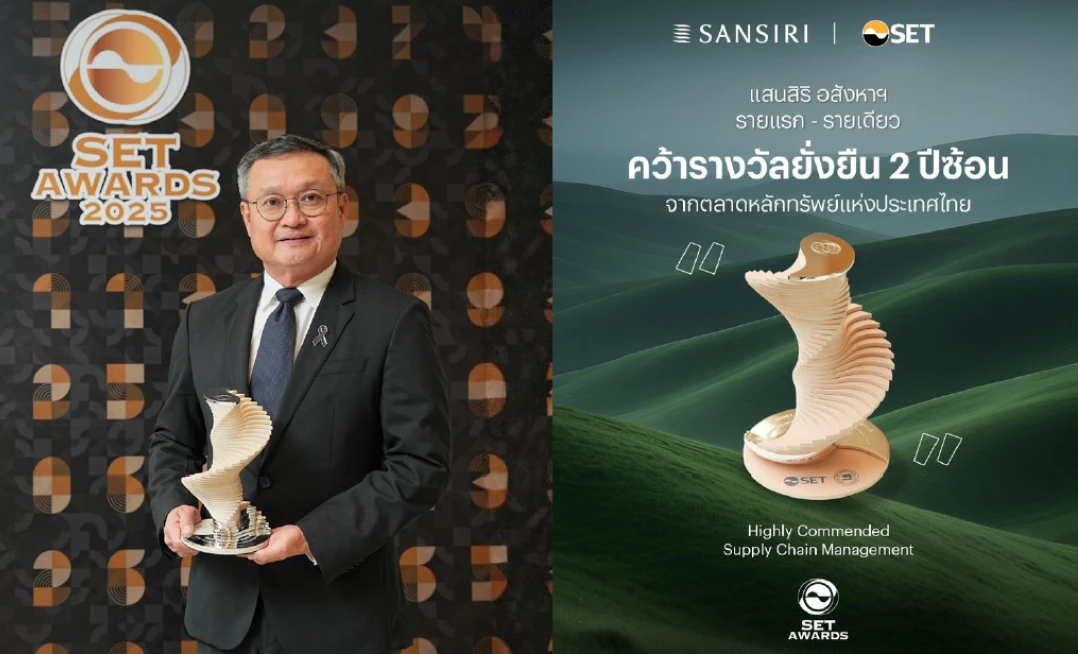
In 2025, the Company was honored with the Highly Commended Sustainable Supply Chain Management Awards 2025 from the Stock Exchange of Thailand, signifying its dedication to sustainable supply chain management. This accolade acknowledges the vital function of the supply chain as an essential mechanism for fostering continuous and sustainable business growth, encompassing product and service quality that fulfills stakeholder expectations, while enhancing the capabilities of partners to grow in tandem with Sansiri. This advancement positively influences customer value delivery and bolsters the organisation's long-term revenue and reputation.
This recognition further substantiates the Company's commitment to sustainable business practices in collaboration with its partners. Sansiri is the first and only real estate company to receive this award for two consecutive years, attributed to its innovative, eco-friendly paint project. Sansiri partnered with Nippon Paint (Thailand) to create paint with heat-reflective and heat-reducing properties, which effectively mitigates indoor temperatures. Assessments of energy consumption indicate that this innovative paint could reduce energy usage by up to 16% and significantly lower heat accumulation within homes. In light of these impressive results, Sansiri intends to integrate this eco-friendly paint into new horizontal development projects under the Setthasiri brand, reaffirming its commitment to elevating the standards of the Thai real estate industry towards sustainability.
External Ratings and RecognitionsRelevant Stakeholders

Customers, Tenants and Residents

Community and Society