Biodiversity
Importance and Mission
Sansiri acknowledges the significance of biodiversity, which is fundamentally interconnected with various dimensions, including economic, social, and environmental aspects, as well as the survival of all living organisms, including humans. Additionally, Sansiri's primary business operations depend on natural areas designated for residential development.
Consequently, Sansiri prioritises business practices that are responsible in relation to biodiversity. The Company has instituted policies and operational guidelines that emphasise the importance of balancing development with environmental conservation. Comprehensive environmental impact assessments and analyses are prioritised at each phase of project development, coupled with operational plans, management strategies, and ongoing environmental monitoring and control measures. This approach aims to ensure sustainability and foster a balanced coexistence among project development, stakeholders, nature, and economic growth.
Supporting the Sustainable Development Goals
SDGs 6
SDGs 14
SDGs 15
Goals and Performances

Management Approach
Sansiri recognises the potential implications of its business operations on biodiversity. Consequently, the Company has instituted a corporate biodiversity policy that emphasises the necessity of integrating biodiversity considerations into project planning.
Biodiversity considerations will be rigorously addressed in environmental impact assessment reports, and measures to prevent and mitigate impacts, along with comprehensive management and monitoring plans. The Company is dedicated to achieving No Net Loss of biodiversity by 2050 and has devised a long-term operational strategy to attain this goal, which includes land restoration, impact compensation, and project designs that promote sustainable ecosystems.
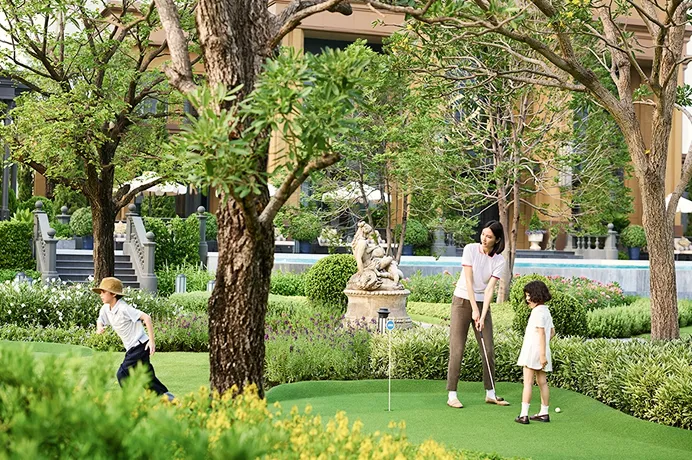
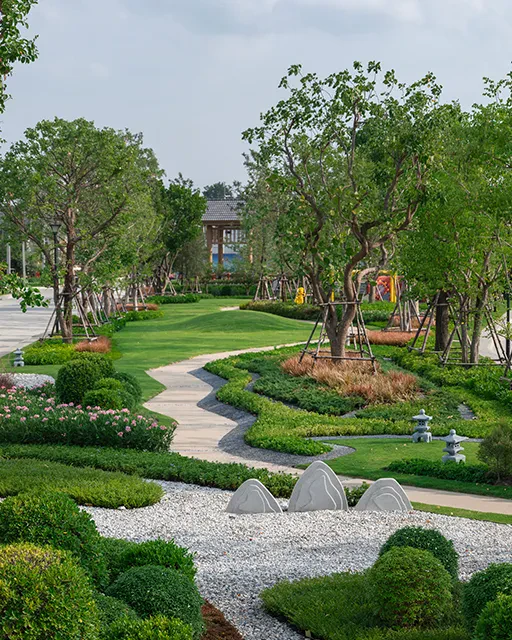
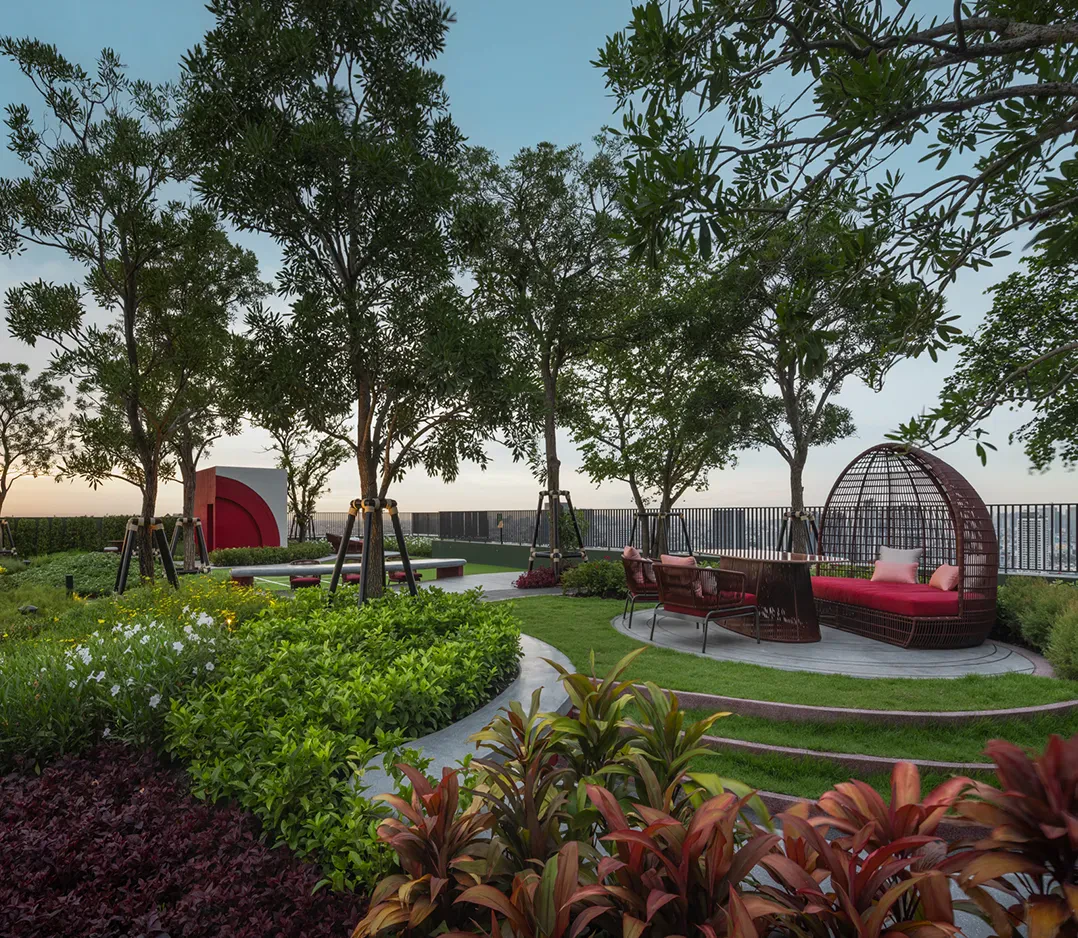
Furthermore, in the design of both low-rise and high-rise projects, Sansiri has considered factors influencing the biodiversity of the area, such as the selection of native plant species or plant varieties appropriate for the climate, along with the preservation of the area's large tree species.
The Company prioritises biodiversity management across the entire supply value chain, including the sourcing of construction materials and products used in Sansiri projects. This entails ensuring that materials are environmentally certified and sourced from verifiable origins, as well as that manufacturing and transportation processes do not significantly impact the ecosystem. This approach ensures that Sansiri's entire supply value chain does not directly or indirectly affect biodiversity.
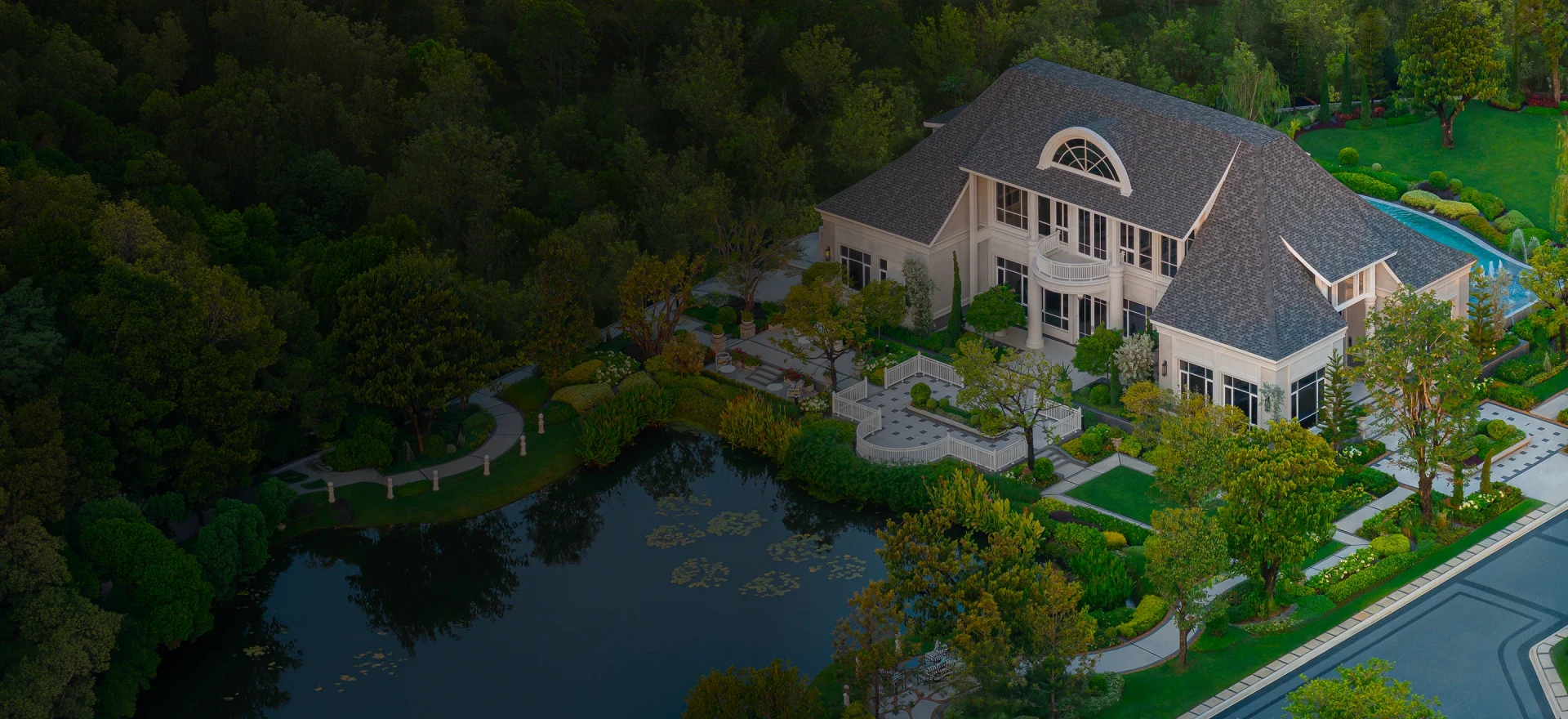
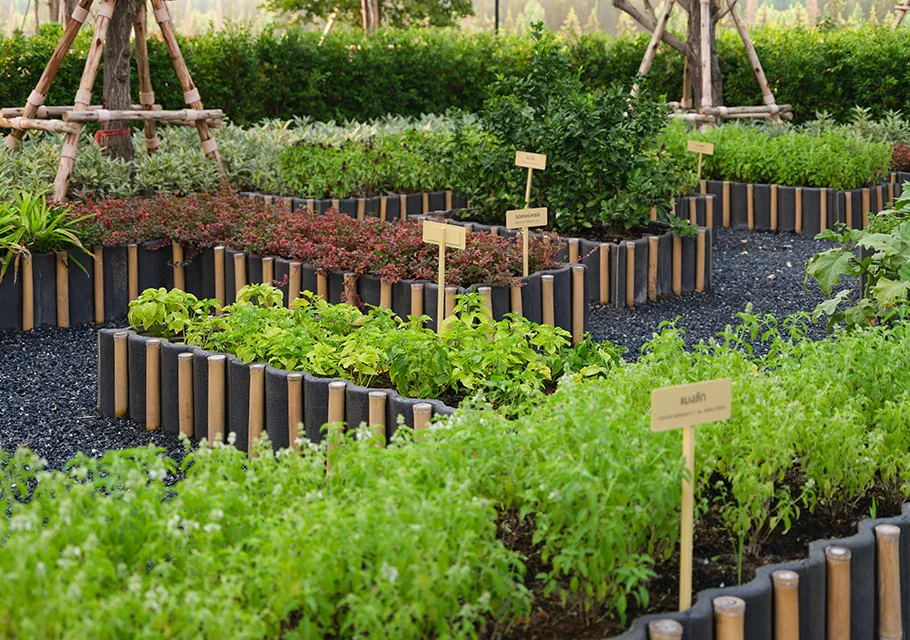
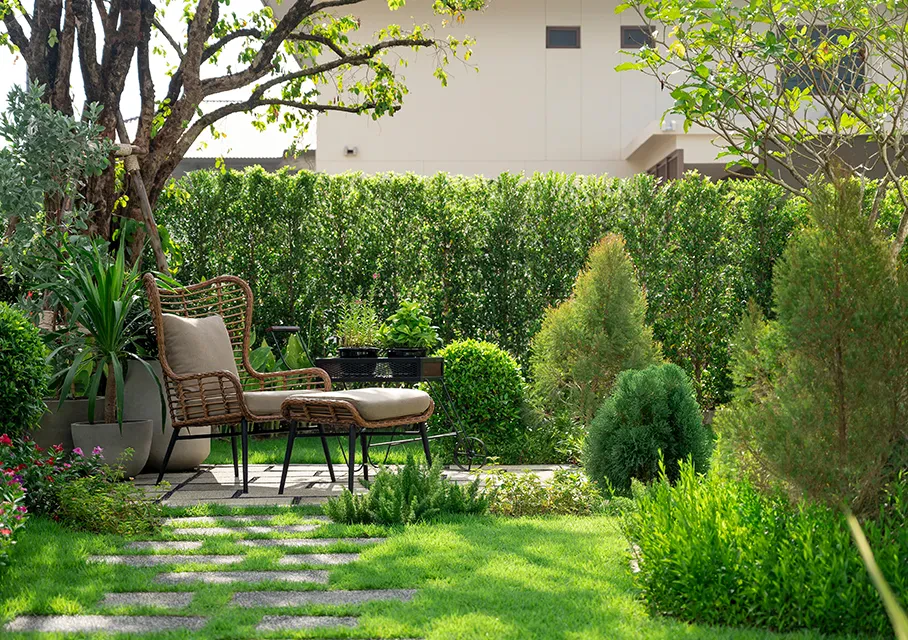
Sansiri has integrated green spaces into its low-rise projects to meet these requirements while enhancing areas that cater to residents' needs and improve the project's aesthetic appeal. Notable examples include the Dog Park and the Sansiri Backyard, which provide residents with edible green spaces.
Key Performance
The Company conducts its biodiversity activities in strict compliance with comprehensive policies and legal requirements. In 2025, no development or project was initiated in areas designated as biodiversity sensitive by the International Union for Conservation of Nature (IUCN Categories I-VI).
Furthermore, the Company is collaborating with government agencies and academic institutions, including the Central Laboratory and Greenhouse Complex Research Team at the Faculty of Agriculture, Kasetsart University, Kamphaeng Saen Campus, and the Department of Civil Engineering at Thammasat University, Rangsit Campus, to advance the "Artificial Wetland" project. This initiative aims to optimise water resource utilisation, enhance green spaces, support the return of native fauna, increase plant species diversity in urban environments, and promote the preservation and restoration of biodiversity.
The Company performs Environmental Impact Assessment (EIA) for high-rise residential projects and Initial Environmental Examinations (IEEs) for low-rise residential projects in Phuket Province. These assessments evaluate the biodiversity impacts of projects from the planning and design phases through the commencement of construction and throughout the construction process. Surveys of plant and animal species within the project area and adjacent environments highlight biodiverse habitats. The assessment process also entails establishing mitigation measures for identified risks and ongoing monitoring of these actions. Detailed results of each project's biodiversity assessment are available in the Environmental Impact Assessment (EIA) Report through the Office of Natural Resources and Environmental Policy and Planning's SMART EIA database (https://eia.onep.go.th/site/index)
In 2025, the Company conducted a Biodiversity Risk Assessment encompassing both current operational projects and prospective investment initiatives. This assessment utilised the WWF Biodiversity Risk Filter, which is an internationally recognised tool for spatial and ecosystem risk analysis.
The Company also devised mitigation measures to address these identified risks and implemented a system for monitoring and verifying the effectiveness of these measures in the corresponding areas (Biodiversity Action Plan (BAP) audits). Additional information can be found in the Biodiversity Risk Assessment report.
To mitigate the potential impacts of Sansiri's operations on biodiversity, the Company has established pollution and waste management guidelines for the project, aimed at controlling and reducing waste generation. This includes managing wastewater to meet legal standards prior to its release into the environment. Additionally, measures to prevent and reduce air pollution, such as the installation of dust control equipment within the construction area and the management of potential noise, are implemented to ensure that the project does not adversely affect the environment and surrounding ecosystems. Environmental impacts are continuously monitored and tracked, allowing for community and stakeholder participation in providing feedback. This feedback is considered, and ongoing improvements to environmental management processes are implemented to ensure that project operations yield positive long-term effects on the surrounding communities and ecosystems.
Relevant Stakeholders

Costumers, Tenants, and Residents

Community and Society
Highlight Projects
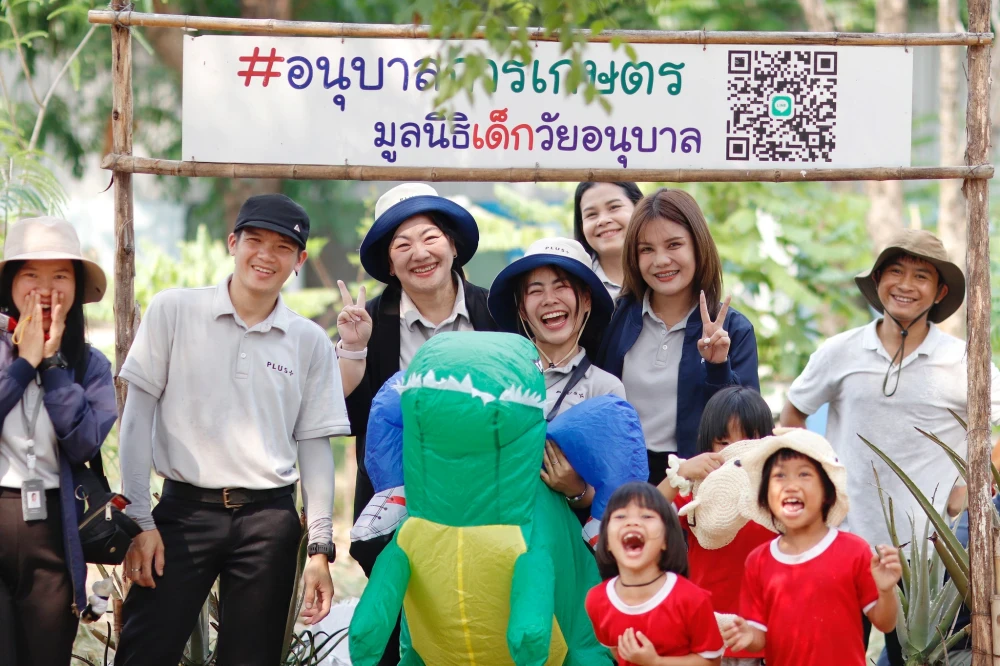
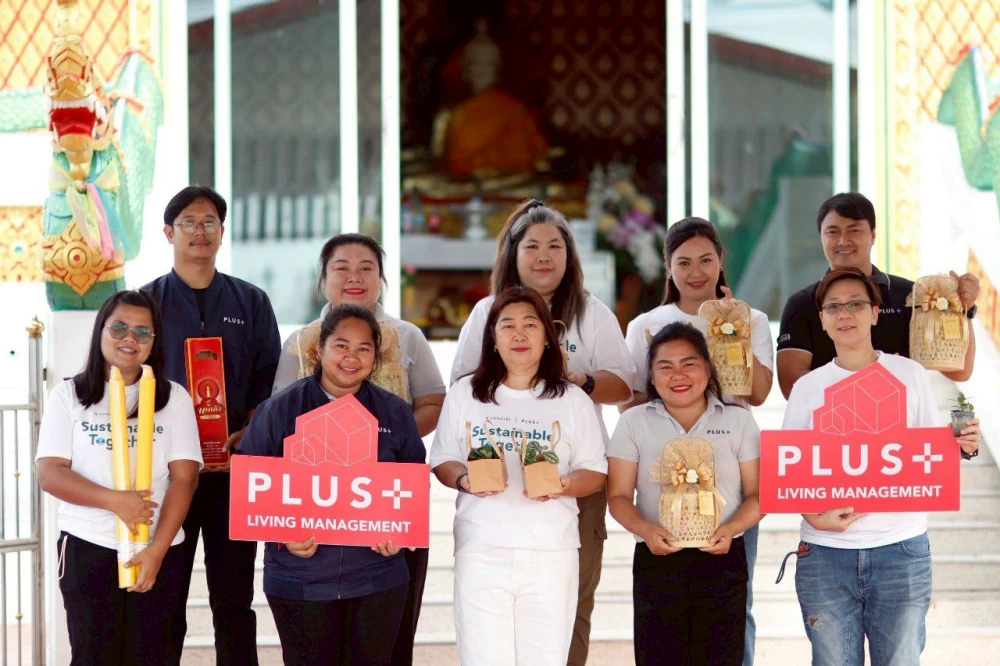
Sansiri seeks to enhance stakeholder awareness and participation in environmental and biodiversity preservation and restoration by creating spaces for residents to engage with nature and organising activities or projects for both employees and residents to participate in. In 2025, key activities include: