Health and Safety

Importance and Mission
Sansiri prioritises safety throughout every process within the supply chain, encompassing employees, contractors, partners, customers, and communities.
The Company is dedicated to respecting the rights and quality of life of our stakeholders, ensuring a safe working and living environment for all. Acknowledging the potential consequences of unsafe incidents, Sansiri is committed to implementing preventative measures to minimise risks to health, life, and property. Safety and occupational health management have consistently been a fundamental focus for the company.
The Company upholds a safe working environment to minimise the risk of accidents affecting employees, business partners, customers, and the surrounding community. This commitment strengthens the organisation's potential, enhances business competitiveness, and fosters confidence in the safety of life and property for all stakeholders.
Supporting the Sustainable Development Goals

SDGs 3

SDGs 8
Goals and Performances
| 2025 Performance |
2025 Goal |
Employees | Contractors | ||
|---|---|---|---|---|---|
| Number of Occurrences | Occurrence Rates | Number of Occurrences | Occurrence Rates | ||
| Injury Rate | 0 | 10 | 0.33 | 20 | 0.67 |
| Occupational Disease Rate | 0 | 0 | 0 | 2 | 1 |
| Lost Time Injury Frequency Rate (LTIFR) | 0 | 1 | 1 | 0 | 0 |
| Fatality | 0 | 0 | 0 | 0 | 0 |
Management Approach
Sansiri has implemented a safety, occupational health, and working environment policy in accordance with the Occupational Safety, Health and Working Environment Act B.E. 2554 (A.D. 2011).
This policy emphasises the integration of occupational health, safety, and well-being of employee management principles into its business operations which are outlined in the Governance and Business Ethics Manual to ensure effective communication within the organisation and to minimise impacts on safety and occupational health.
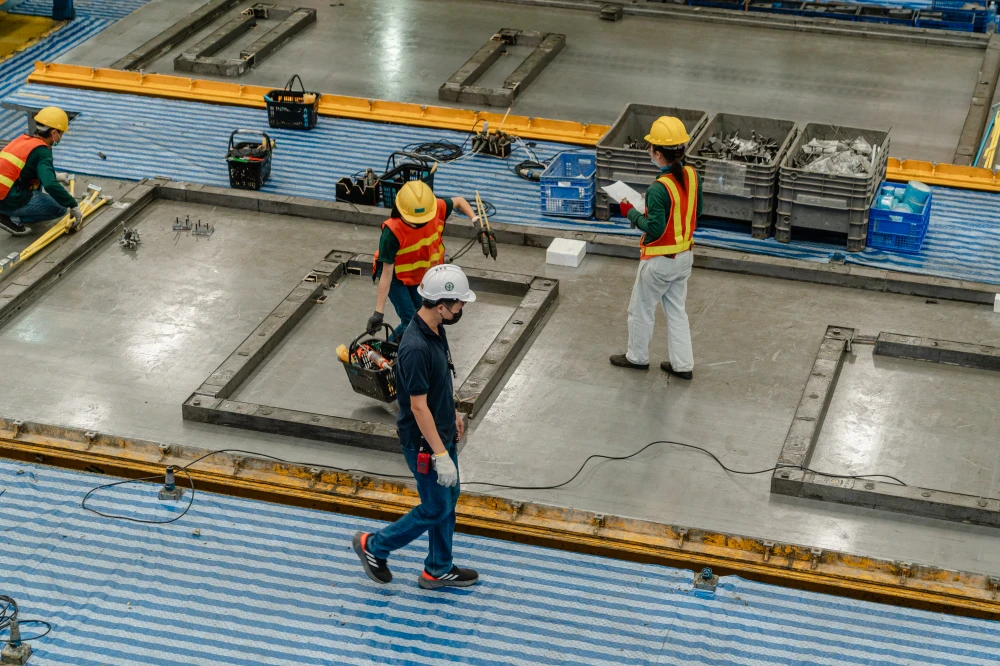
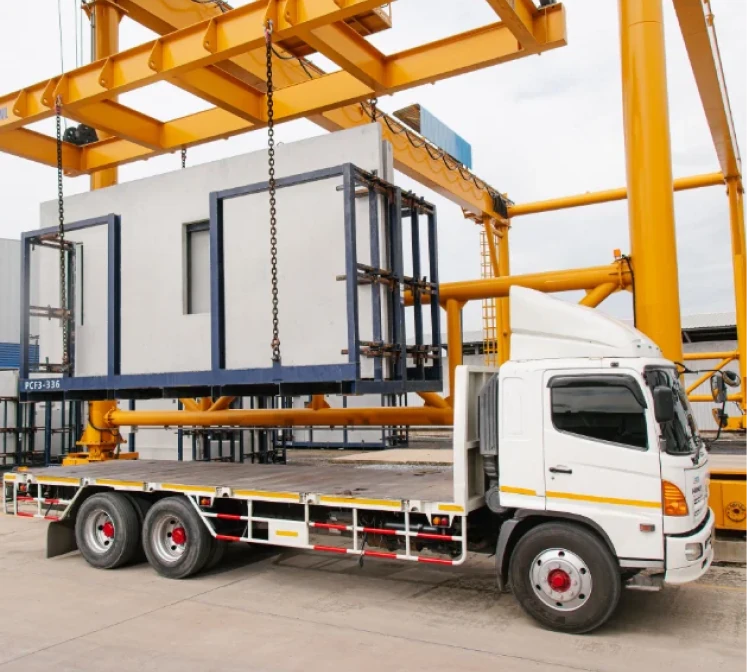
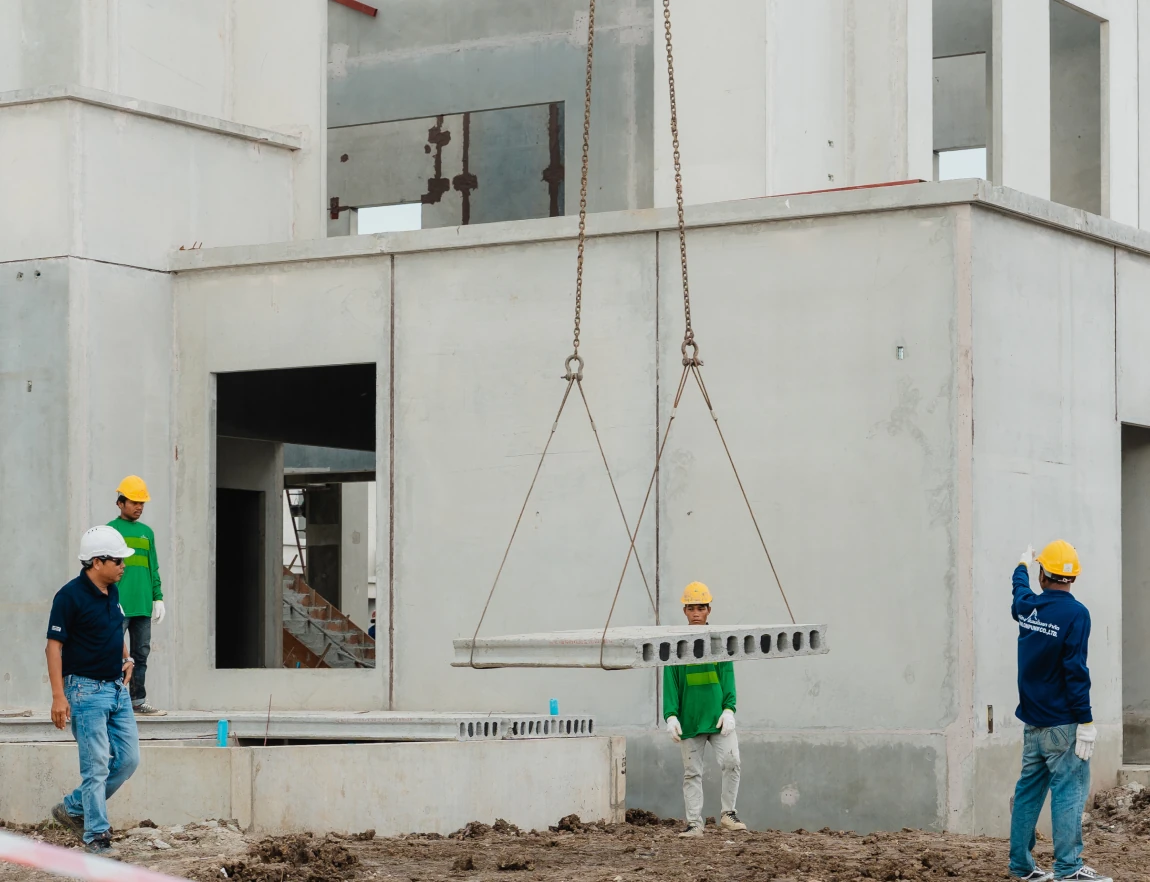
Due to Sansiri's business operations, which encompass construction operations and project development, specifically the production and transportation of precast concrete panels, the installation of precast concrete structures, and the execution of projects per architectural plans in collaboration with contractors are considered high-risk areas. Therefore, Sansiri has established an Occupational Safety Committee, designated safety officers at various levels, and engineers or supervisors to oversee and monitor safety operations. This structure ensures compliance with Sansiri's established safety standards throughout the entire process.
The Company also sets measurable, time-bound occupational health and safety targets to continuously improve safety performance. Sansiri aims to reduce the injury rate by 5% from the 2025 baseline by 2030, while maintaining zero work-related fatalities annually among employees and contractors.
Sansiri’s Safety Practices


Workplace Safety Oversight
Sansiri is dedicated to the continuous development of its occupational health and safety management system to align with both Thai and international standards.
Management has allocated budgets, personnel, and resources to assess and establish strategies for managing safety and health risks associated with work activities. Additionally, operations are reviewed and monitored to ensure strict compliance with safety policies, practices, and regulations.
To affirm the Company commitment to occupational health and safety, the Board of Directors has appointed the Risk Management Committee, which includes a Board representative, to diligently oversee risks and health and safety operations across the organisation. Additionally, various committees and safety officers, comprising executive-level, supervisory-level, and professional-level safety officers, have been established to oversee safety operations within the Siri Campus, construction and project development areas, and the precast concrete production facility. All staff members are required to participate in training programs to enhance their competencies in alignment with organisational standards, regulations, and laws. They are also responsible for the oversight, monitoring, and development of operational plans concerning occupational health and safety, fire evacuation, and other emergency procedures, including the execution of monthly compliance reviews. The Occupational Safety Committee and officers, which includes both executive and employee representatives from different operational sectors, serves as a key mechanism for discussion , feedback, and the collaborative formulation of occupational health and safety guidelines. This process ensures that the guidelines are reflective of actual working conditions and accurately represent employee input.
The Company mandates the Occupational Safety Committee to prepare a safety performance report addressing the management of related risks and submit it to the Corporate Planning and Investor Relations Department for presentation to the Risk Management Committee every three months to ensure the effective execution of the Company's safety operations.
Risk Assessment and Risk Mitigation Measures
Sansiri mandates the assessment of occupational health and safety risks associated with its business operations at every stage of the work process. The results of these assessments are utilised to analyse, prioritise, and implement risk control measures that are relevant to all employees, including contractors and external parties engaged in work on Sansiri's premises. Additionally, Sansiri ensures that all employees have the authority to perform risk assessments and to cease work if they determine that a specific task presents a risk to themselves or others.
In addition to evaluating risks in current projects, the Company has implemented risk assessment procedures for potential new investment projects to thoroughly evaluate risks that may affect the occupational health and safety of personnel on site, prospective residents, and neighboring communities. This includes assessing contamination of various pollutants in soil and water sources near the project site, as well as evaluating transportation safety.
Risk Assessment Processes
Hazard Identification
Risk Level Evaluation
Risk Management Plan Development
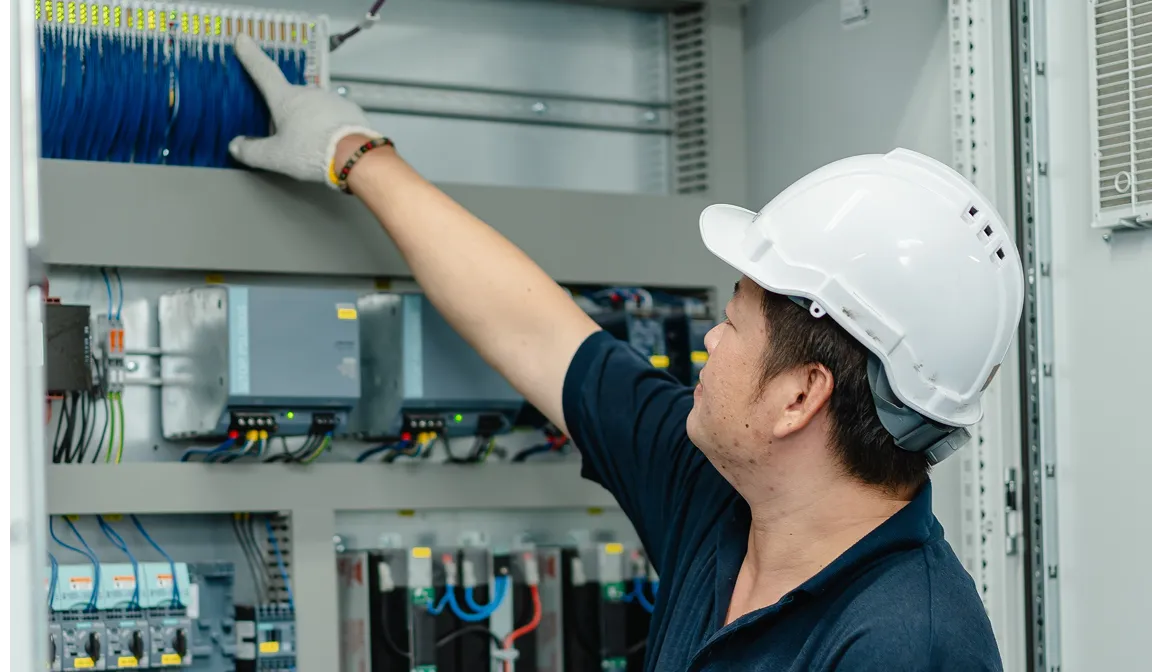
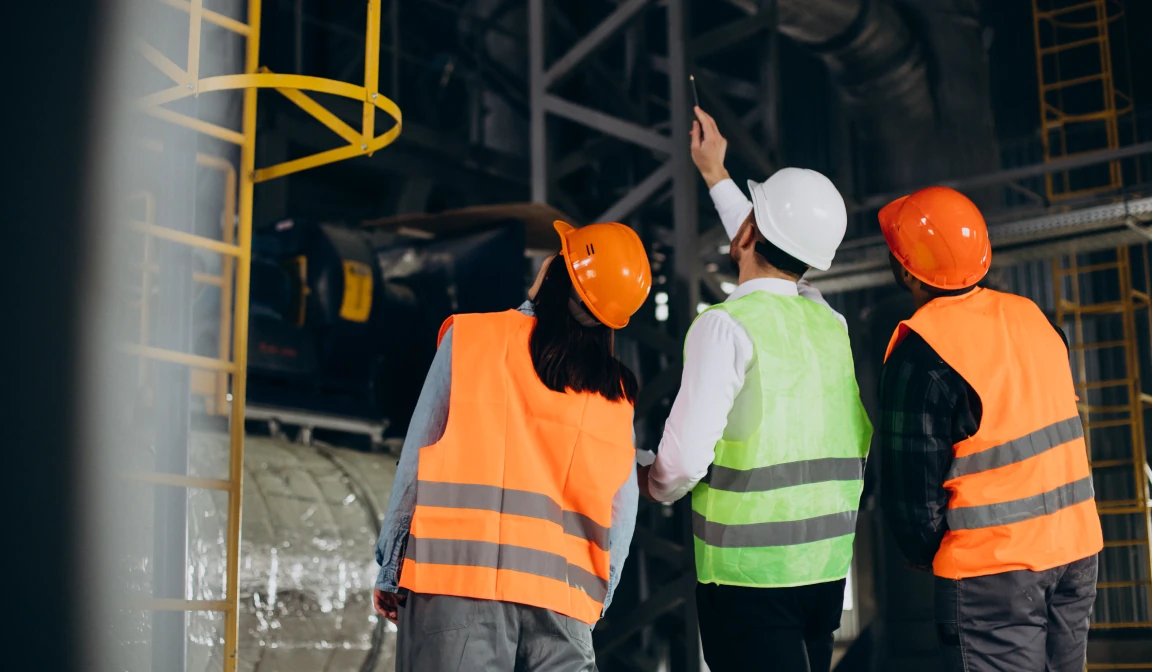
In 2025, Sansiri conducted a risk assessment and determined that construction safety is a risk that still requires strict management to support the Company to achieve the zero-accident goal in all operational areas. Therefore, mandatory safety measures are implemented across all Sansiri projects, including:
In addition, Sansiri evaluates and identifies occupational hazards that could negatively affect employee health through risk assessments and analysis of past incidents. The health issue identified is chemical exposure, resulting from various activities in the operational process, such as use of solutions in cleaning work, insect control in building areas, use of construction materials containing chemical components, chemical management in manufacturing or maintenance processes at factory. To mitigate this issue, the Company implements the Hierarchy of Controls, which consists of the following:
Elimination
Substitution
Engineering Controls
Administrative Controls
Personal Protective Equipment (PPE)
These measures are continuously reviewed and updated to suit emerging issues and ensure the utmost safety for employees.
Implementation of Occupational Safety Promotion and Training for Employees and Contractors
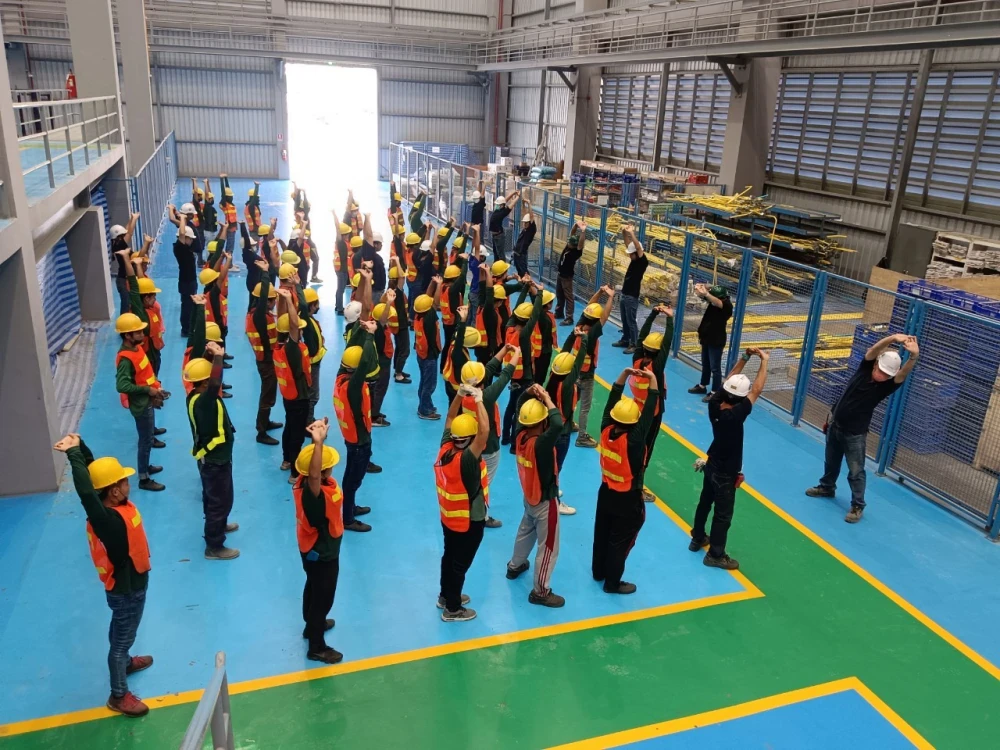
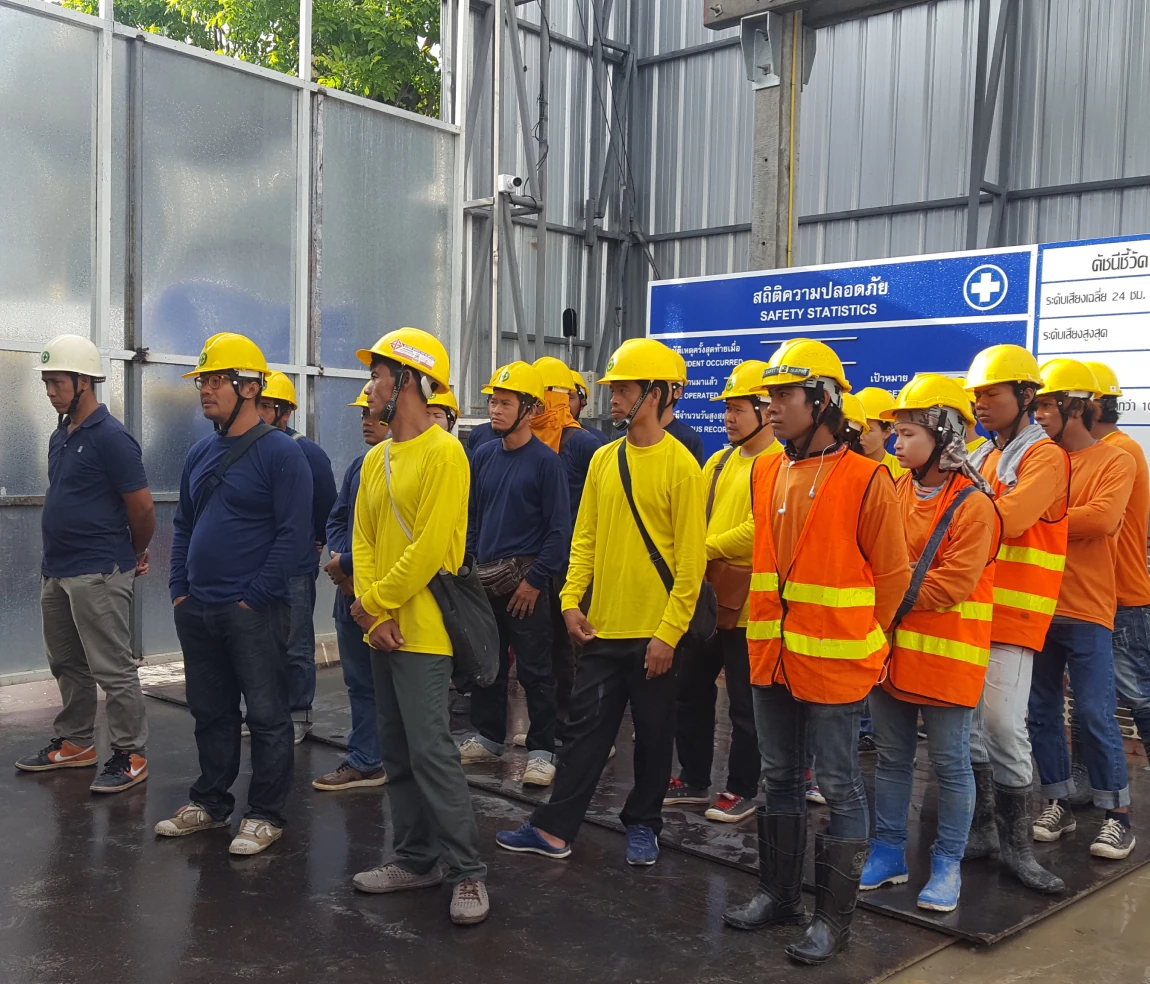
The Company mandates that relevant operational staff, general employees, and contractors receive training in basic safety courses and legally required safety courses. Furthermore, emergency drills are conducted according to the response plan to ensure preparation and appropriate response to emergency situations.
Construction Project Safety Training
Safety training in construction projects is a critical step that helps prevent accidents and fosters a safe working environment by focusing on ensuring personnel understand safety laws and standards. The training emphasises awareness of the root causes of accidents, which often result from negligence, improper use of tools and machinery, or a lack of control over hazardous areas.
Therefore, the training aims to impart knowledge on worksite management, such as area organisation, installing barricades, and posting warning signs for dangerous zones. This includes the correct and safe use of tools and machinery, along with their regular maintenance for safety. These training programs not only help reduce risks and losses but also build a sustainable safety culture within the organisation, enhance work efficiency, and instill confidence in all stakeholders involved.
Construction project safety training topics
- Legislation and general understanding of safety in construction work.
- Causes of accidents in construction operations.
- Elements of construction safety.
- Workplace Safety on Construction Sites.
- Safety in the Use of Tools and Machinery, and Personal Protective Equipment (PPE).
- Safety at Work.
- Falling object protection systems, barricading/controlling construction zones and hazardous areas, and personal safety.
Siri Campus Safety Training
To enhance safety and emergency preparedness, Siri Campus consistently organises safety training programs. These programs focus on developing the skills and knowledge of employees to build confidence in the safety of all building occupants and mitigate potential risks in the event of an emergency.
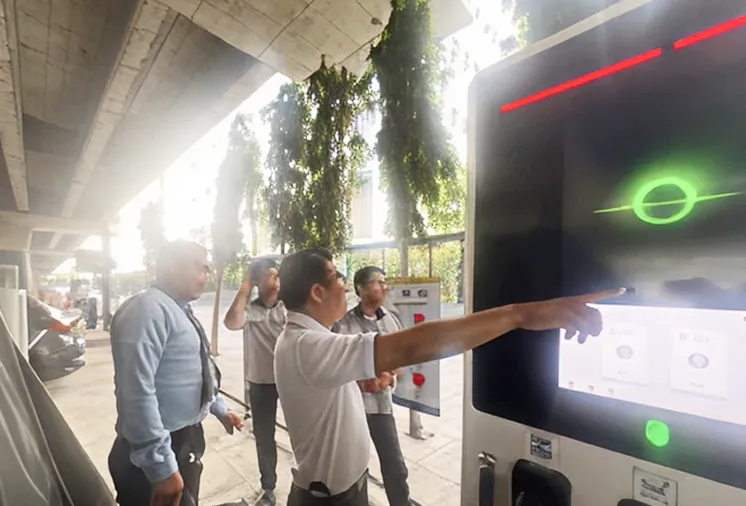
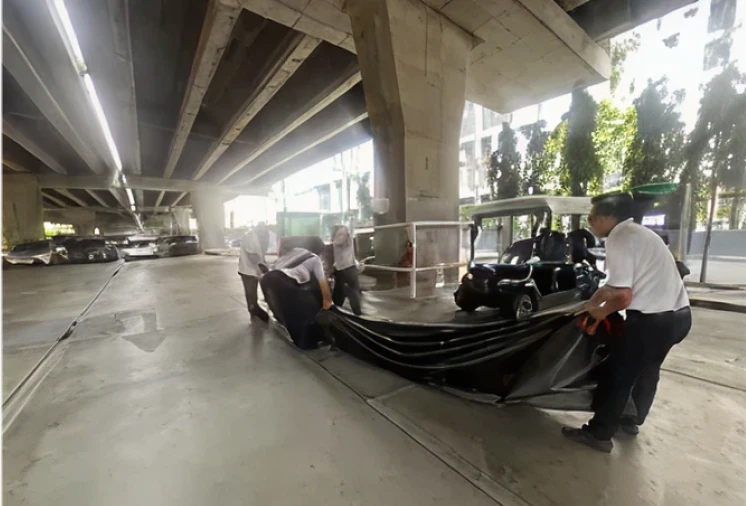

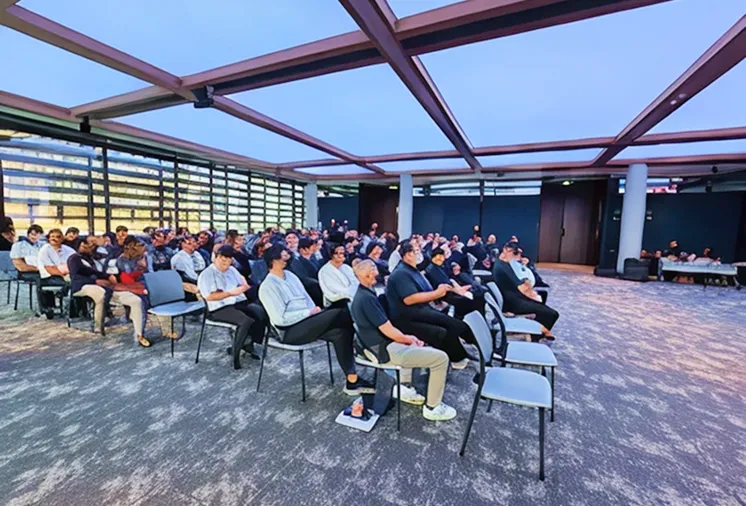
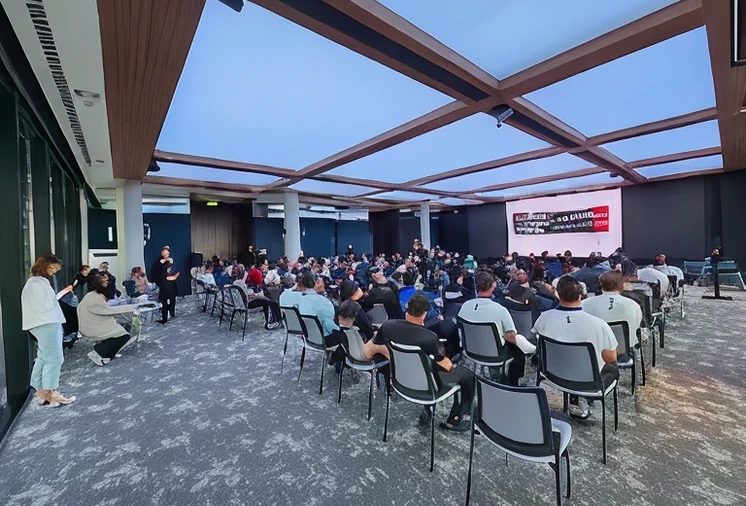
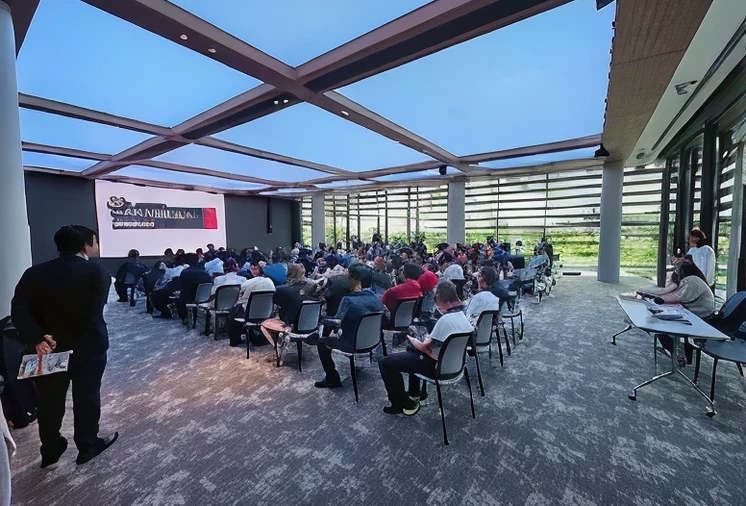
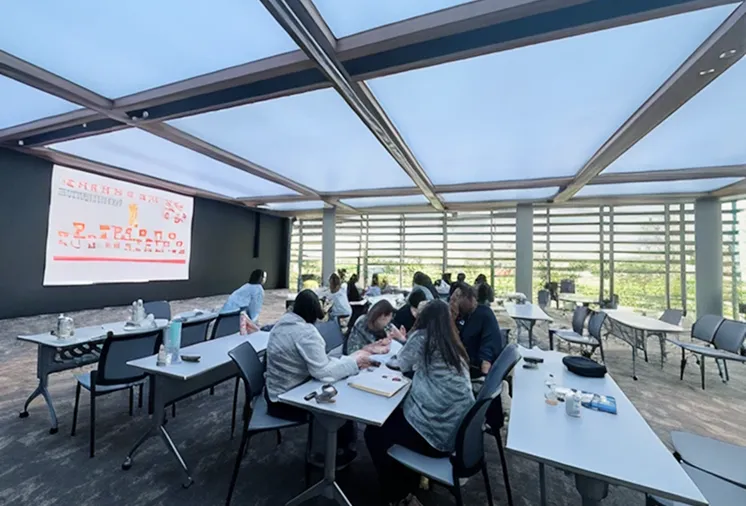


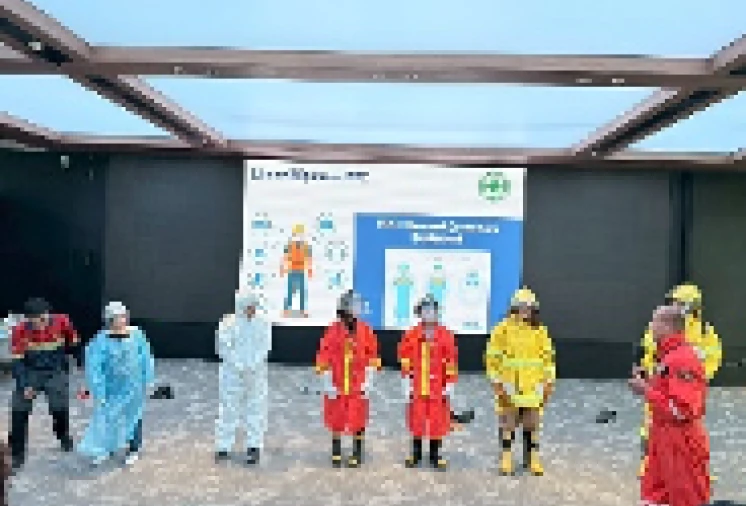

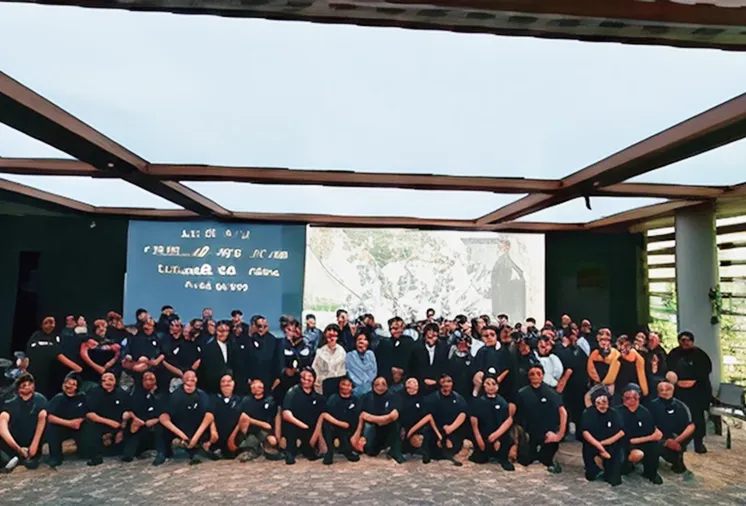
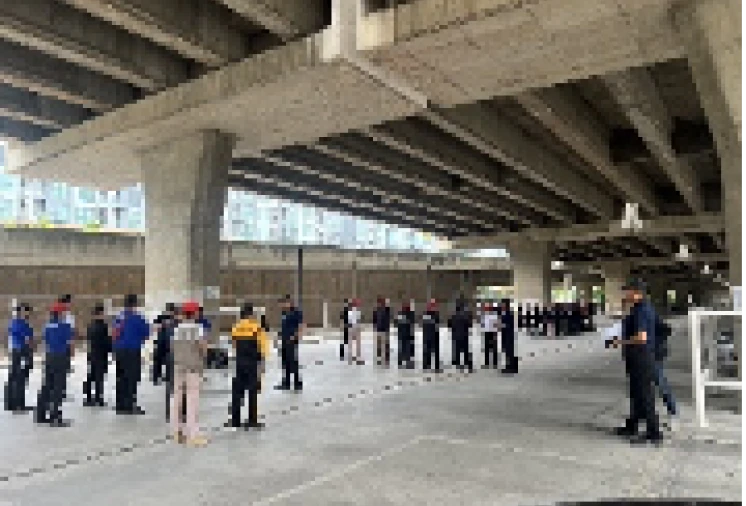
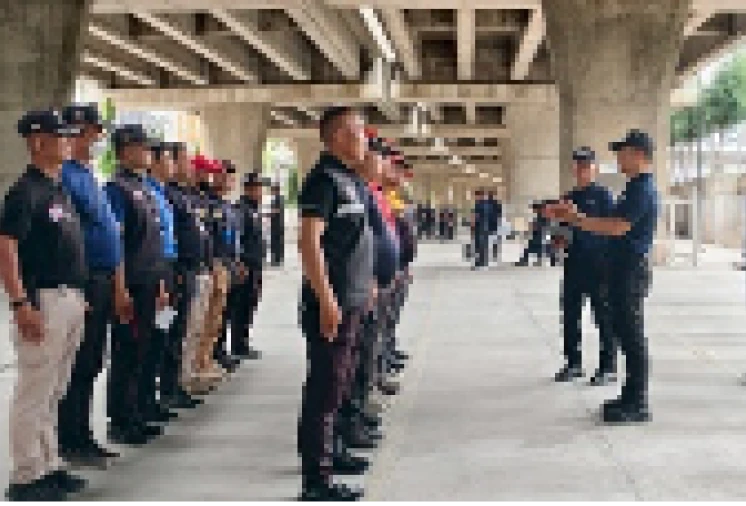
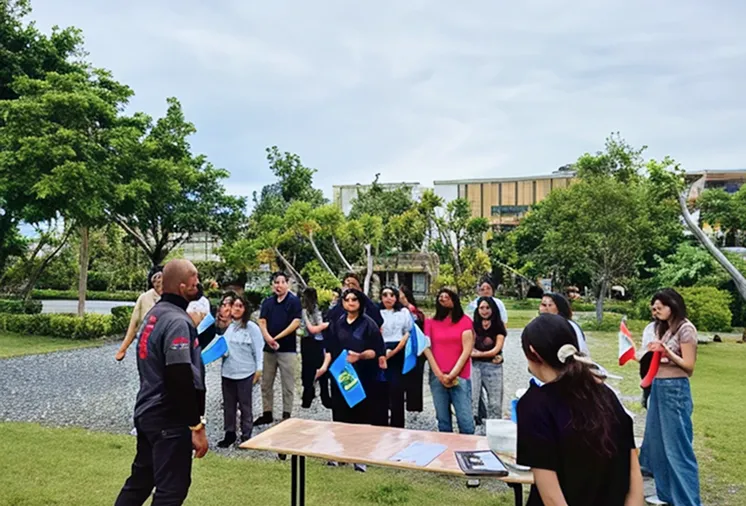
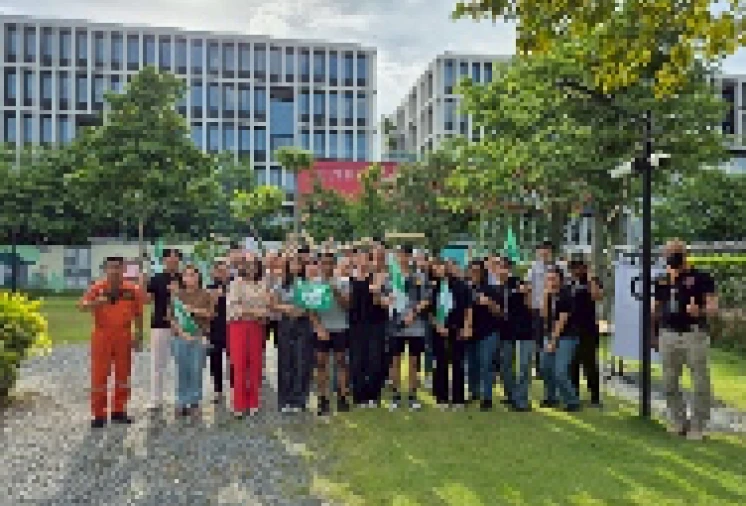
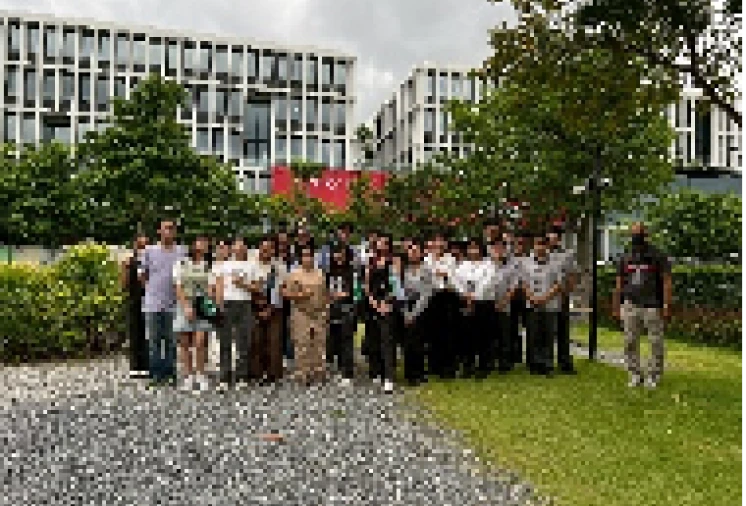
Additionally, the Siri Campus building provides training to contractors working within the premises to foster safety awareness for themselves and their colleagues. Contractors are required to comply with the law and strictly adhere to the company's safety regulations. They must also successfully complete safety training before commencing work on every occasion. The training covers the following topics:

Safety in the use of tools and machinery and Personal Protective Equipment (PPE)

The company's work safety regulations

Work safety practices

Barricading/controlling work areas and housekeeping
Precast Factory Safety Training
The precast factory is committed to establishing robust standards for occupational safety by organising diverse training courses. These programmes aim to develop the knowledge, skills, and preparedness of employees for all eventualities, focusing on accident prevention, reducing operational risks, and cultivating a safe working environment for all.
Precast Factory Safety Training Topics
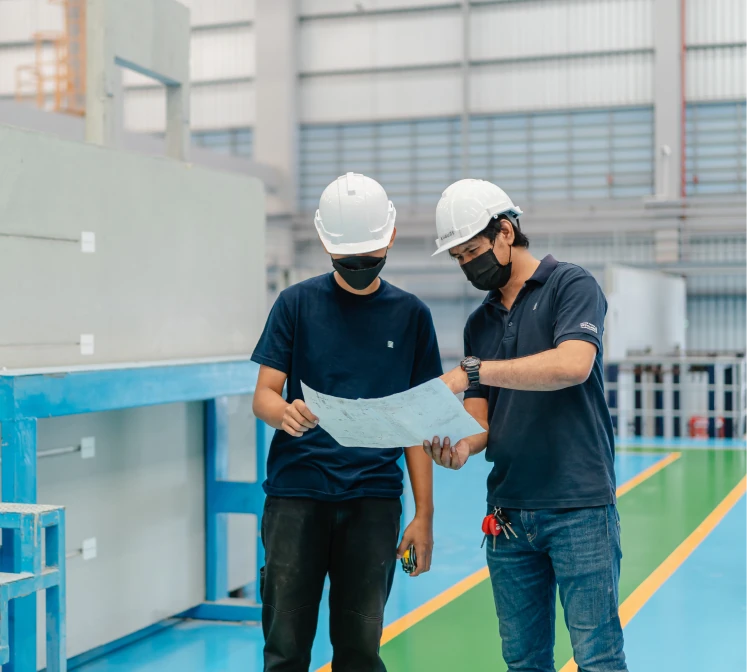
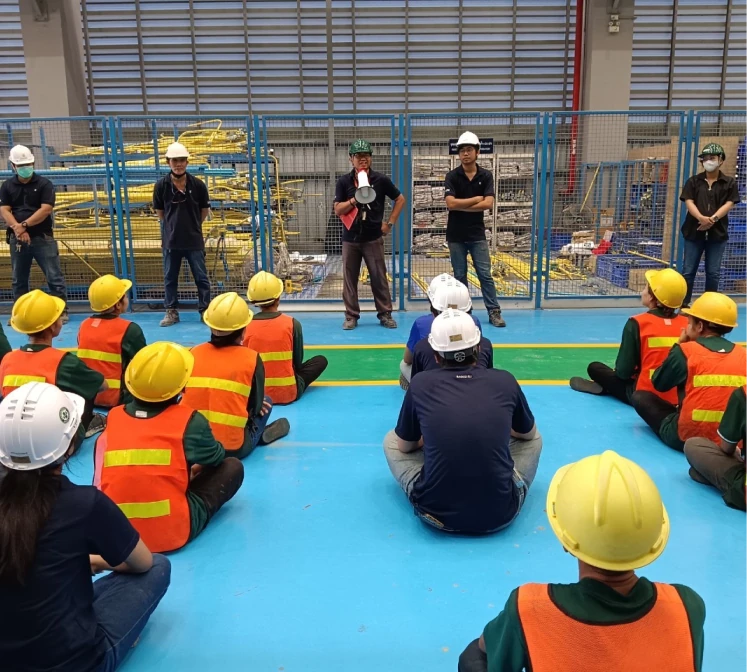
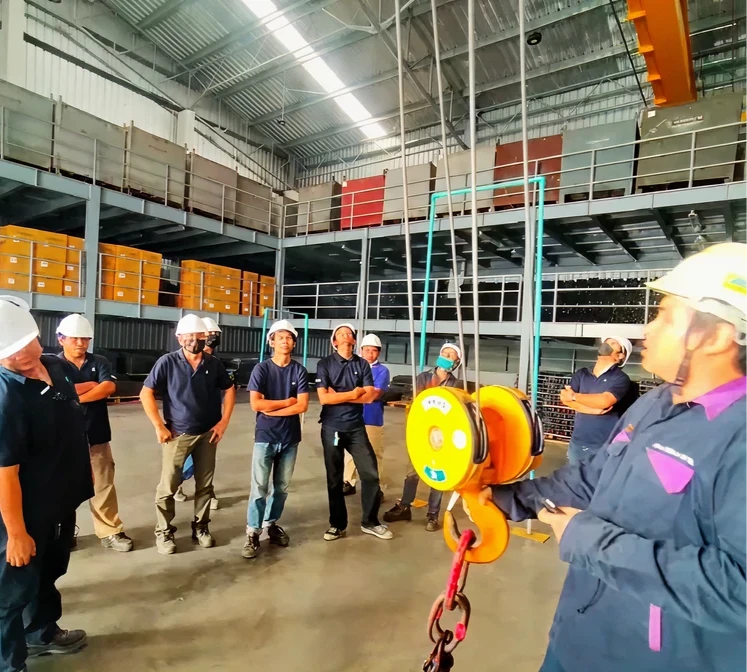
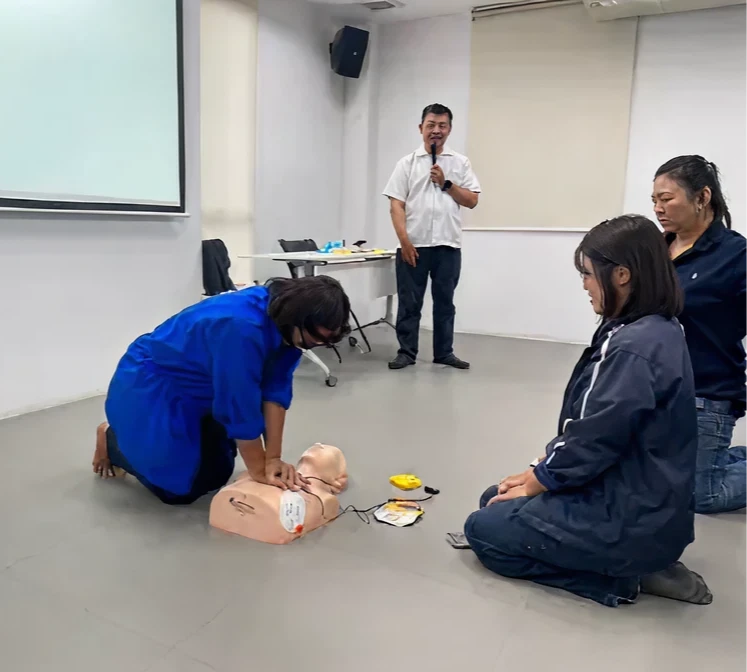
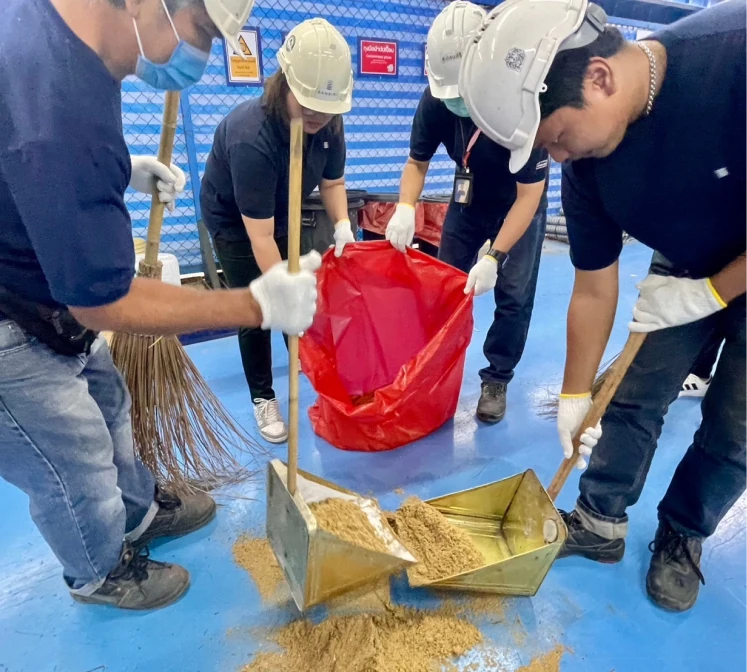
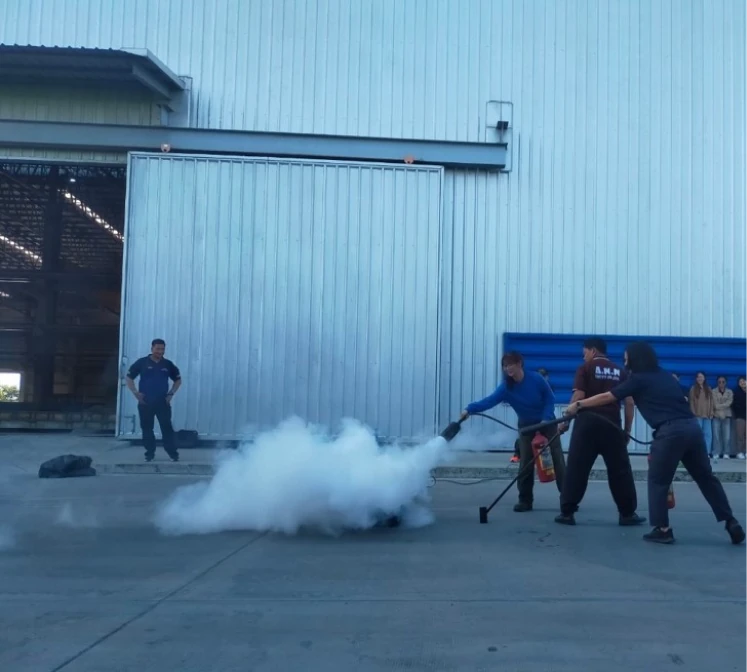
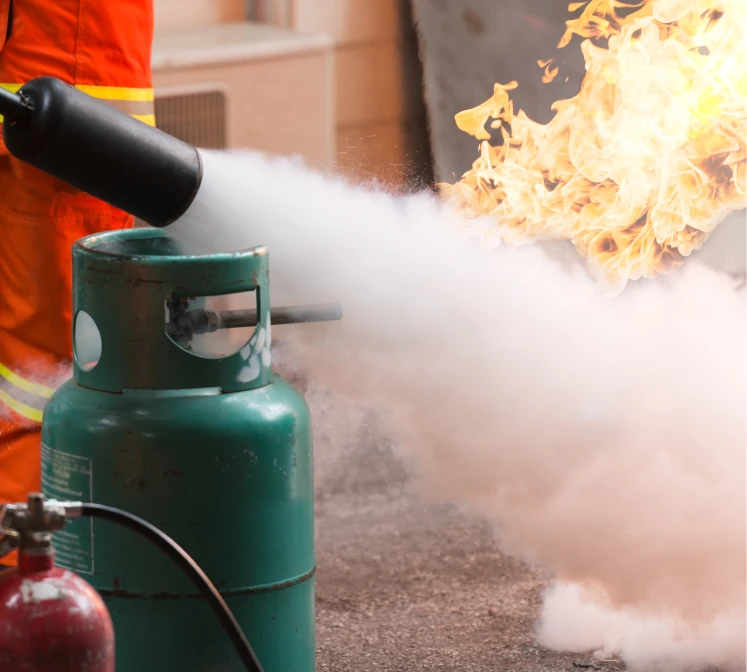
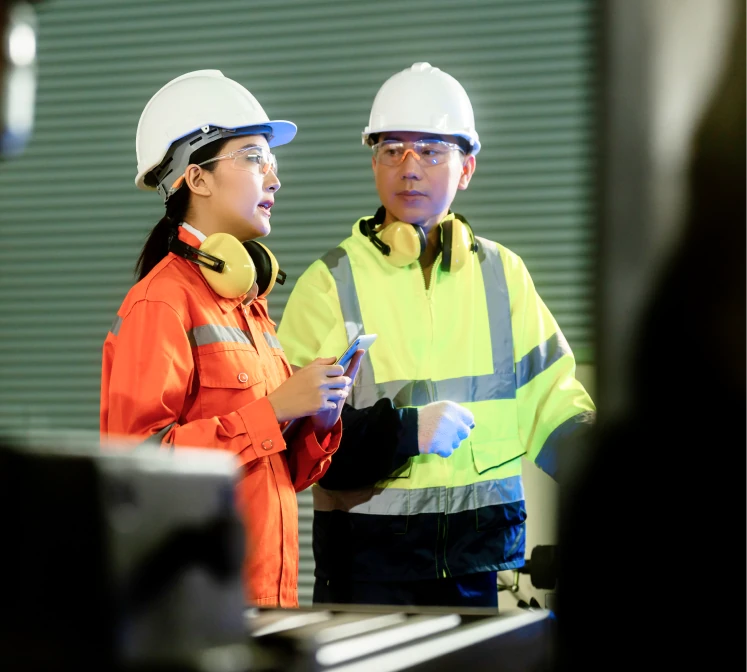
In 2025, a total of 81 personnel received specialised safety training and 1,115 personnel received general company safety training. This successfully enhanced the knowledge and raised the awareness of all individuals, thereby enabling the Company to comprehensively elevate the safety of operations across all activities.
Emergency Plan, Accident Investigation, Analysis, and Reporting
Sansiri has established a systematic procedure for reporting emergencies, enabling a thorough review of the root causes of incidents. This is achieved through reporting along the chain of command and the use of standardised data collection forms, coupled with uniform Standard Operating Procedures (SOPs) for emergency response and clear guidelines for handling various emergency events, the projects and the factory are able to rectify problems precisely. Furthermore, this allows for the identification of avenues to improve work processes or safety systems to enhance their effectiveness, thereby preventing and reducing recurrence of incidents in the same areas.

Inspection
To ensure the continuous operational readiness of various safety systems across all Sansiri workplaces and project sites, the Company conducts testing and inspection of safety systems, tools, and equipment at stipulated intervals. This particularly includes building safety elements such as power generators, emergency alarm systems, firefighting equipment, as well as the routine maintenance of passenger lifts and regular cleaning of air-conditioning units. For operations in construction areas and project development, Sansiri mandates that construction managers are responsible for inspecting the functionality of machinery and equipment, such as lifts, cranes, fall protection gear, etc., to ensure strict compliance with relevant requirements. Furthermore, Safety Officers are required to conduct regular inspections of temporary electrical systems across all projects.
Safety Measures for Offices and Projects
Safety Practices in Construction Sites
Sansiri mandates the regular monthly monitoring and reporting of construction safety and requires that contractors take full responsibility for the safety of their workforce. This responsibility includes providing appropriate protective equipment suitable for the nature of the work, conducting Safety Talk before commencing work, and developing robust emergency response and first aid plans. Compliance is verified regularly through the use of inspection forms that check adherence to both safety and environmental measures, alongside the mandatory reporting of all accidents to ensure corrective action is taken and prevent recurrence.
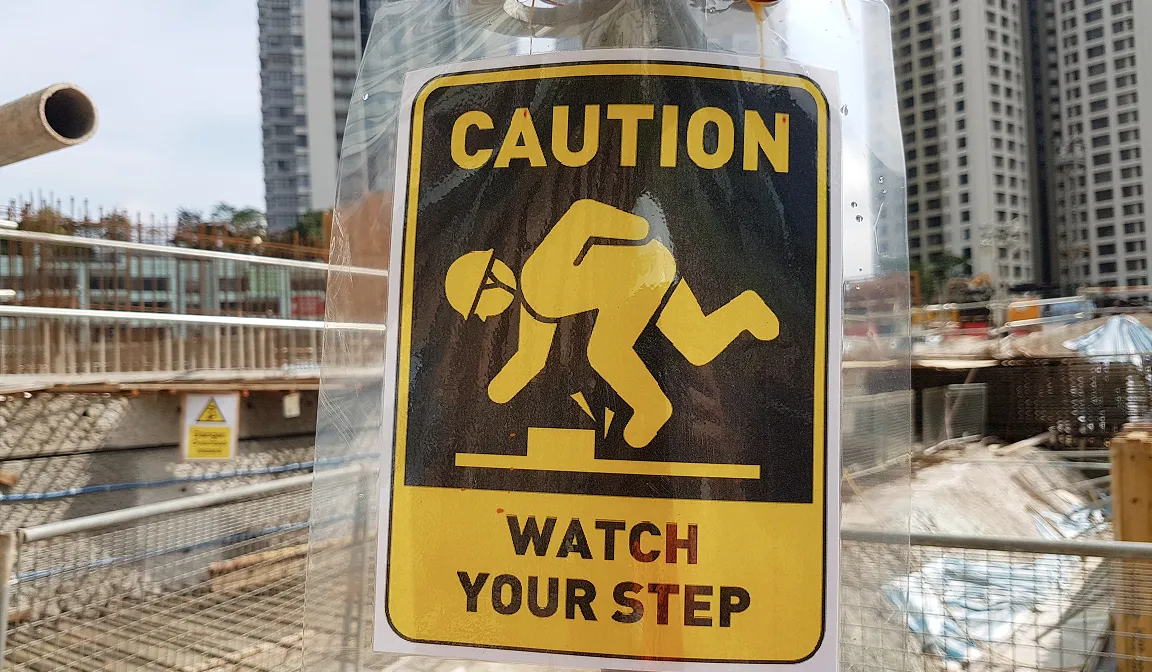
Additionally, the Company considers the safety impact on communities surrounding its projects by integrating safety issues into the Environmental Impact Assessment (EIA) report prior to the commencement of high-rise construction. The Company also establishes a consultancy team to survey adjacent community areas, assessing the condition of existing structures. Furthermore, measures are put in place to notify the public at the project front, such as the installation of warning signs, construction zone indicator lights, and complaint reception channels, where the team will acknowledge the issues and implement appropriate improvements.

Safety Practices in Siri Campus
Sansiri manages Occupational Health and Safety (OHS) at the Siri Campus building in line with the Company corporate policy, emphasising communication and awareness among employees at all levels. This involves providing information, knowledge, and actively receiving feedback from personnel, which in turn leads to the development of preventative measures in collaboration with the Occupational Safety Committee, as well as the provision of assistance in the event of an accident.
Regarding health and disease control, the building implements continuous risk mitigation measures, including the installation of alcohol-based hand gel at various points, the monthly replacement of antimicrobial stickers on door handles, and the cleaning of shared touchpoints such as door handles, lift buttons, and handrails with alcohol. Furthermore, COVID-19 disinfection spraying is conducted regularly from Sunday to Thursday.
Safety practices in the Precast Factory
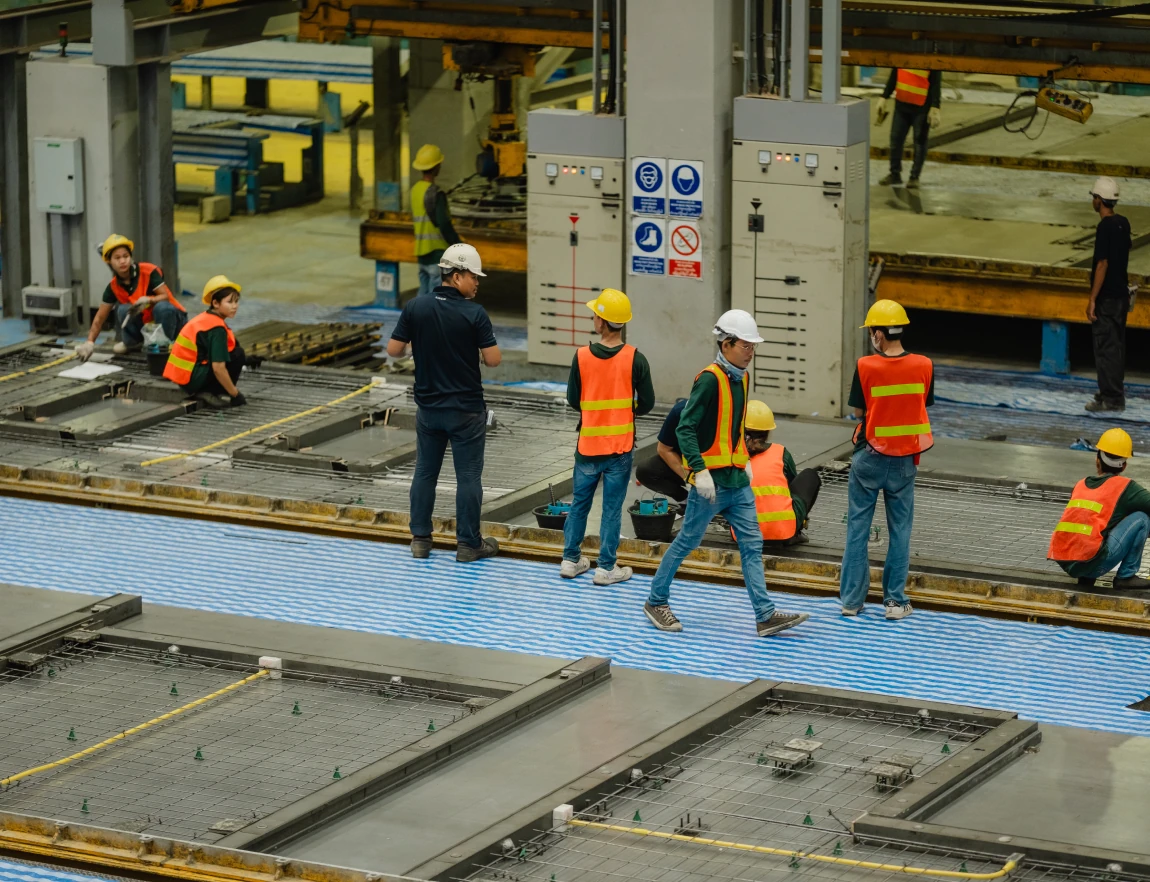
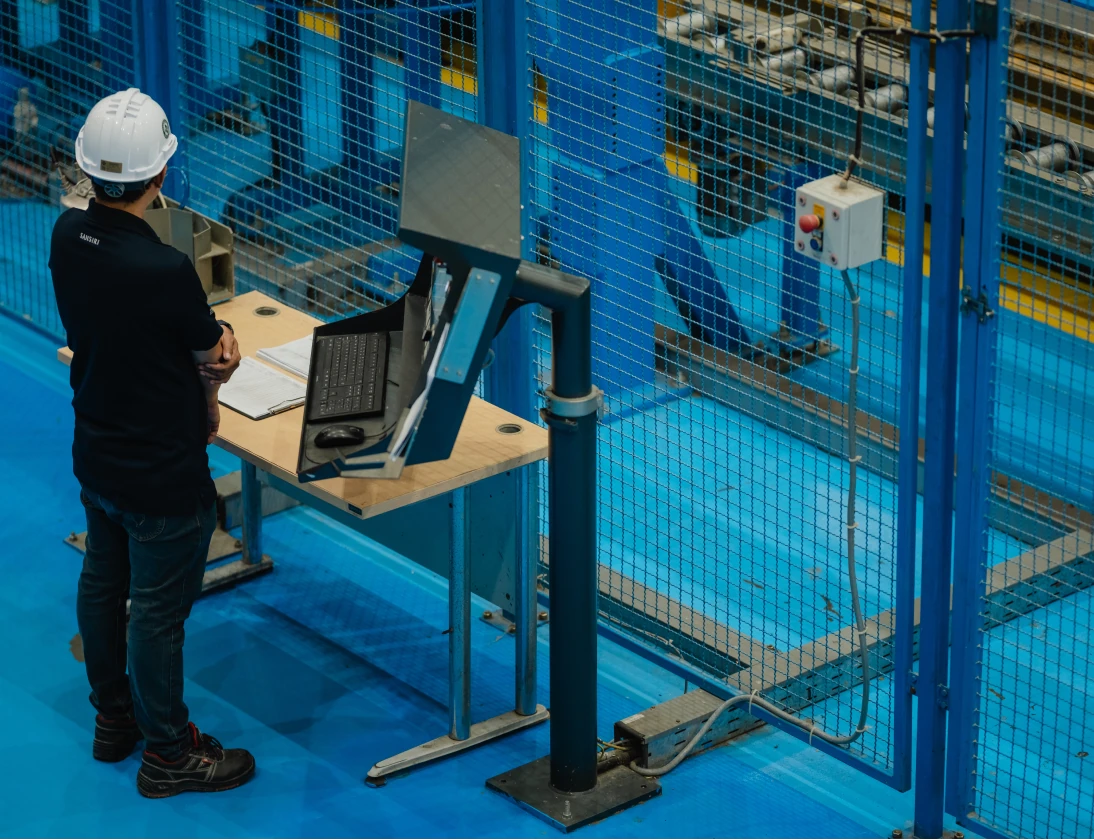
Sansiri performs monitoring and assessment of safety compliance across all ofall the company's operational areas. For the precast factory, which is considered a high-risk area due to its operations, the factory mandates regular monitoring and evaluation of work procedures, identification of hazardous spots in each operational zone, and work safety inspections. This ensures that each department implements necessary improvements and corrective actions to enhance workplace safety while promoting an appropriate work environment for all employees.
Key Performances
Statistics regarding accidents among workers, including employees and contractors, indicate that the majority of incidents result in minor injuries and do not lead to significant work stoppages or disruptions in operations. Nonetheless, in response to these incidents, the Company has implemented preventative measures and is committed to the continuous improvement of its operations to mitigate the likelihood of similar occurrences in the future.
Regarding illnesses among employees and contractors potentially linked to occupational diseases, it has been noted that these conditions are associated with exposure to risk factors within the work environment, including dust or irritants in construction areas. Consequently, the Company has instituted comprehensive prevention and mitigation measures, which include annual health checkups, the provision of appropriate personal protective equipment (PPE), modifications to the work environment, and ongoing health monitoring of workers, all aimed at fostering a safe work environment and promoting long-term well-being.
Finally, Sansiri considers comparing its safety performance, specifically the number of work-related fatalities and the Lost Time Injury Frequency Rate (LTIFR) by benchmarking against industry standards with other companies within the same sector, both domestically and internationally. This initiative is undertaken to enhance and manage Sansiri's safety performance to meet or surpass the standards established by the industry group.
The measures include:

Work Procedure Review

Communicate and deliver safety training to employees and contractors on a regular basis

Increase oversight and monitoring of operational areas
Relevant Stakeholders

Investors and Shareholders

Executives and Employees

Customers, Tenants and Residents

Community and Society