Human Rights and Community

Importance and Mission
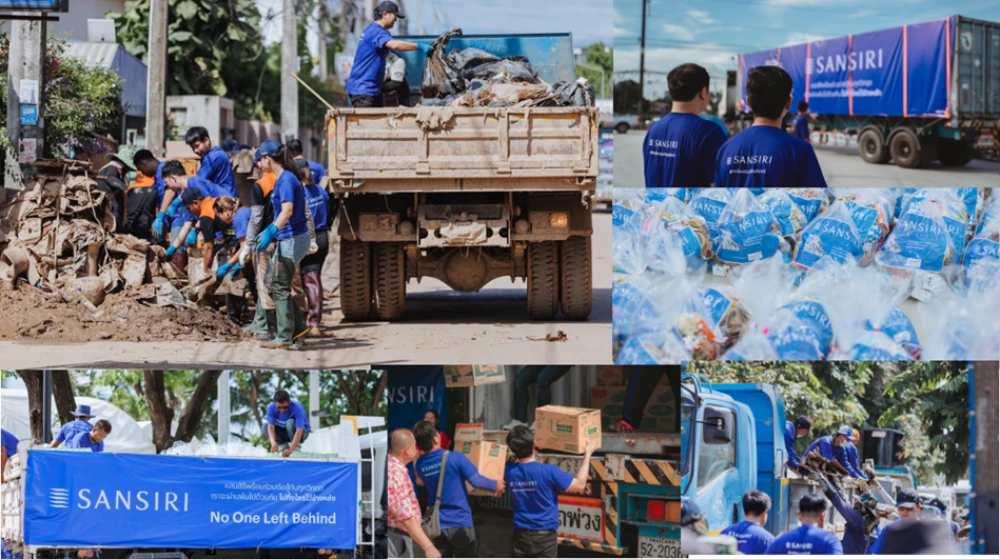
The real estate business plays a crucial role in shaping society, creating both positive and negative impacts that are deeply intertwined with the lives and well-being of people and communities.
Beyond meeting customer demands, the Company is committed to operating its business in a manner that considers the quality of life for communities and people in its operating areas, to grow alongside the long-term elevation of well-being. Sansiri prioritises the management of potential negative impacts, including pollution from construction, resource management, and effects on the welfare of residents and the community. Therefore, the Company employs strict proactive measures to prevent and mitigate these impacts, including pollution control, stringent safety measures, and efficient resource management, coupled with initiating social programmes aimed at promoting sustainable quality of life.
Sansiri places great emphasis on community engagement by actively seeking feedback and understanding community needs to build strong relationships. The Company conducts continuous evaluation and monitoring to ensure its operations yield positive results that meet community needs. Concurrently, Sansiri acknowledges human rights risks across its entire value chain. To meet stakeholder expectations and global trends emphasising rigorous human rights due diligence, Sansiri is committed to appropriate management in this area, focusing on prevention and mitigation of impacts in line with the UN Guiding Principles on Business and Human Rights (UNGPs). This comprehensive human rights due diligence demonstrates social responsibility and builds trust with all stakeholder groups.
Supporting the Sustainable Development Goals
SDGs 4
SDGs 5
SDGs 8
SDGs 10
Goals and Performances

Management Approach
Community
In the execution of all Sansiri projects, the Company prioritises an engagement with the community by surveying the opinions, expectations, and concerns of the surrounding community and society. This input is crucial for determining the strategy and approach for corporate social responsibility (CSR) initiatives, particularly for projects identified as having a high risk of adverse impact. Furthermore, such projects must undergo an Environmental Impact Assessment (EIA), and the Company strictly adheres to the community-related measures stipulated within the EIA report. This meticulous approach serves to prevent and mitigate any potential direct and indirect damage, thereby reflecting the Company's commitment to reducing negative impacts on the surrounding communities and environment.

Additionally, the Company is committed to uplifting the quality of life for society and its stakeholders, including residents, community members, and children and youth to ensure their well-being aligns with the UN Sustainable Development Goals (UNSDGs). This commitment runs parallel to the Company's long-term business growth, adhering to the defined policy of sustainable development.
Sansiri has defined a Corporate Social Responsibility (CSR) strategy focused on Community Investment across three key aspects. This strategy reflects societal needs and is linked to Sansiri's business strategy, which incorporates sustainability, particularly by building relationships and engagement with communities surrounding its projects. This approach helps to enhance quality of life and the environment, supports the sustainability of residential areas, mitigates social risks, and builds brand confidence among both the community and residents.
01
Health
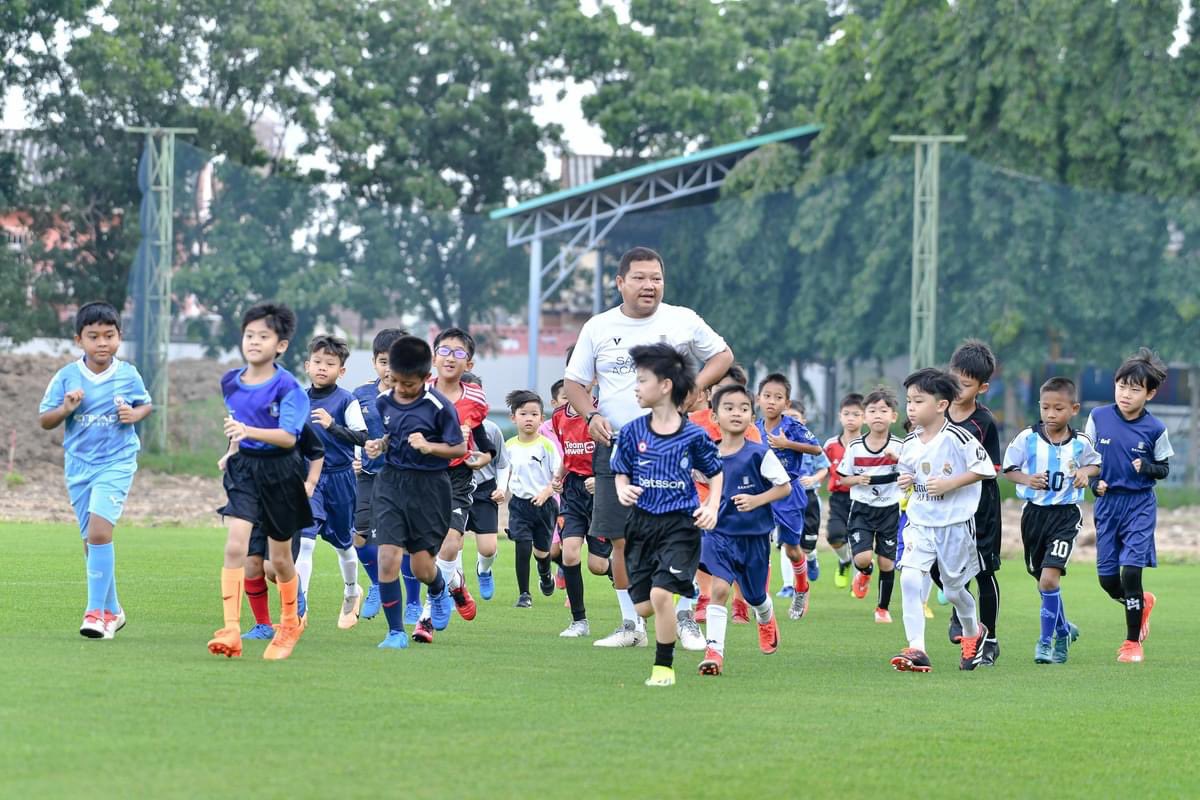
The Company prioritises the basic health of children and youth through activities that encourage parental involvement in understanding the fundamental rights of children and young people across various aspects. A key example is the Sansiri Academy project, which utilises football as a tool to ensure children achieve robust physical development, alongside mental care and development. Experts, including psychologists and nutritionists, are invited as speakers to provide knowledge to parents, thereby fostering comprehensive development and enabling parents to correctly apply these practices in caring for their children.
02
Education and Life Skills Enhancement
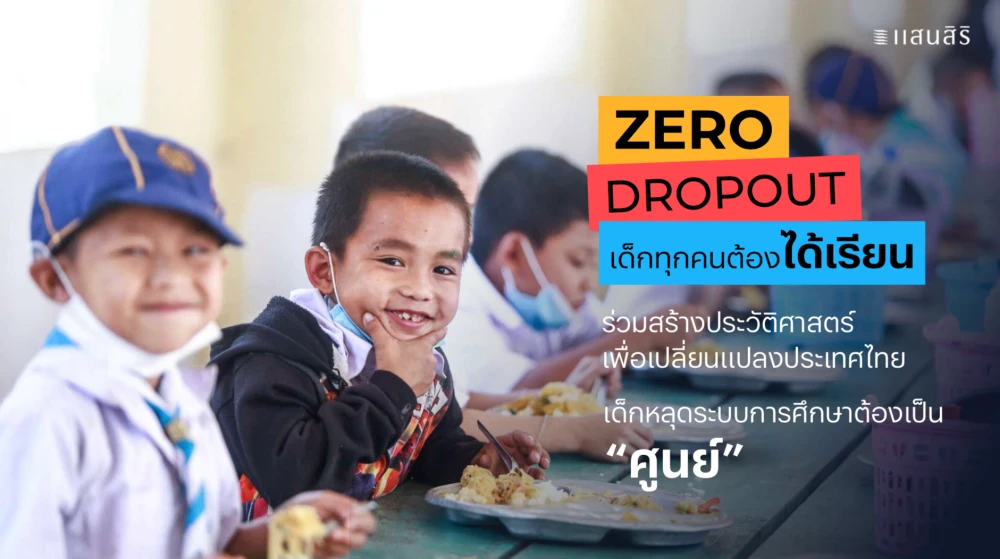
The Company prioritises basic education and life skills, especially for disadvantaged children and youth, by promoting and developing their knowledge and abilities. A key example of this effort is the Zero Dropout Project, which assists children and youth in re-entering the education system and accessing education according to their individual limitations through the development of educational mechanisms, among other methods.
03
Rights and Equality
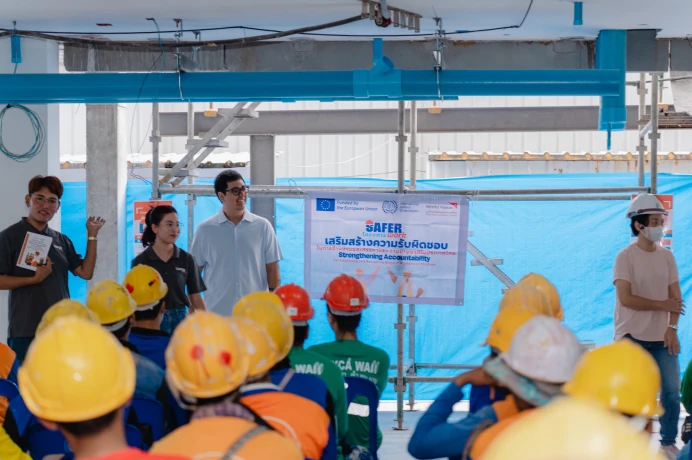
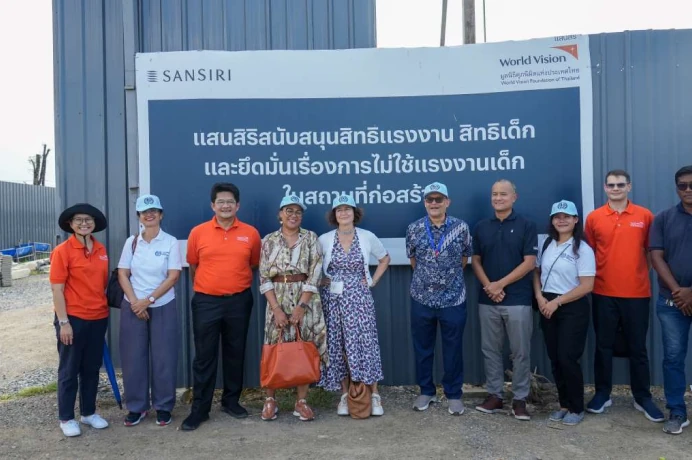
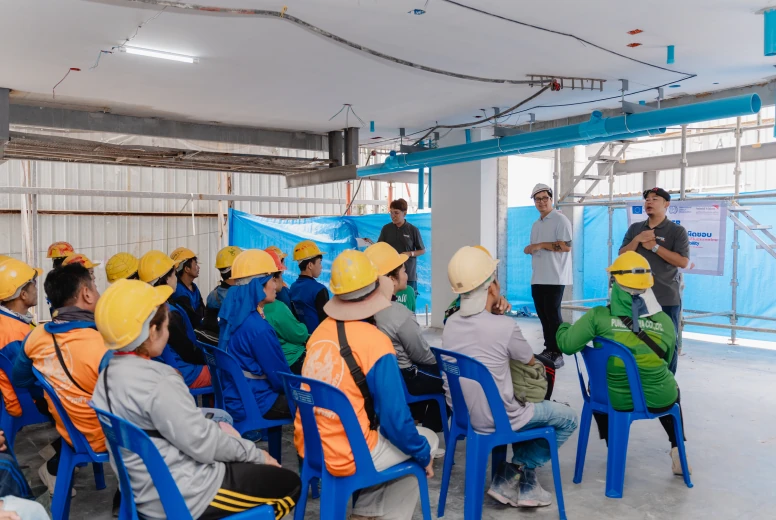
The Company respects human rights and places importance on the non-use of child labour both within the organisation and across all business partners. Furthermore, it actively promotes local employment in the Company’s operational projects, including community and social initiatives, to create economic opportunities and strengthen surrounding communities. Additionally, Sansiri is committed to fostering understanding of equity and diversity among families, children, and youth. Internal employees play a key role in communicating and demonstrating appropriate behaviour to the target groups to ensure awareness of their rights, alongside an understanding of these issues' context. This is achieved through annual human rights training for employees, focusing on the key stakeholders relevant to Sansiri’s CSR strategy: employees and workers (including vulnerable groups on construction sites), surrounding communities, and society at large.
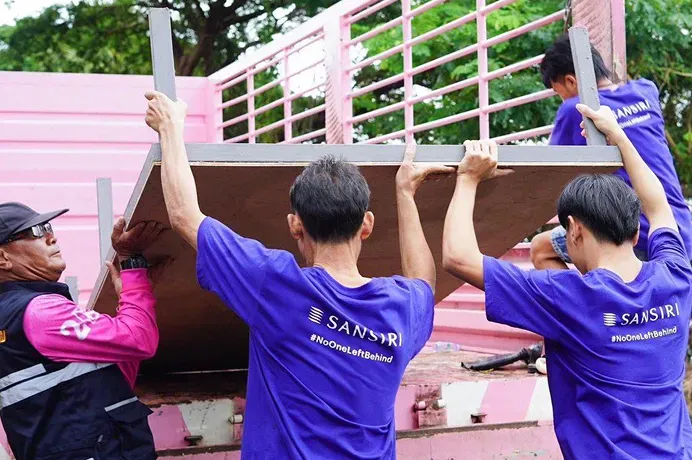
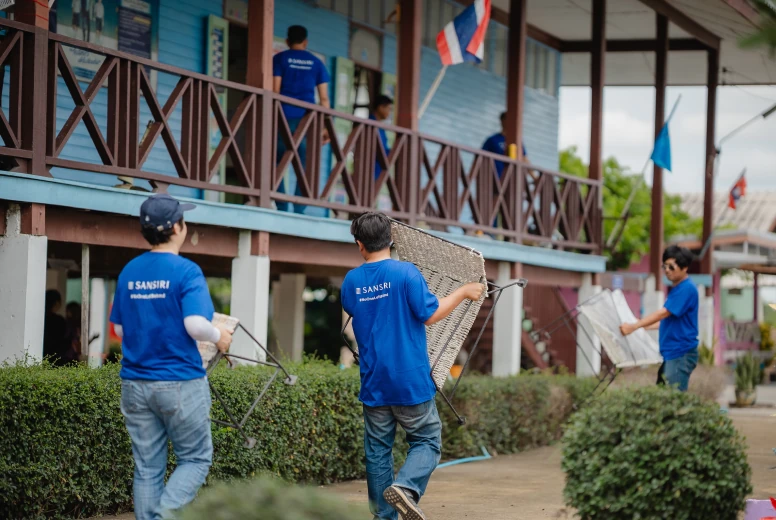
Sansiri prioritises promoting sustainable development through collaboration with communities surrounding the project sites, allocating budgets to support and assist these communities. The primary target groups are children and youth, as well as the communities both within and surrounding Sansiri's project areas. The Company focuses on rights, equality, and life skills development, especially in education, to improve the quality of life and access to basic rights for socially vulnerable groups. The Company leverages its resources, expertise, and organisational capacity to promote well-being and create equal opportunities through close engagement with communities and society.
Furthermore, Sansiri has established a Corporate Social Responsibilities Policy to support the Company's social development and community investment initiatives and to collaborate with a diverse range of partners, from the local to the global level.
Social Investment Governance Structure
The Corporate Governance and Sustainability Committee is responsible for defining the policies, goals, and strategies, as well as the operational framework for sustainable development. The operational results are reported to the Board of Directors at least twice a year to ensure that all activities align with sustainable development goals under the framework set out in the Company's Corporate Social Responsibilities Policy.

Human Rights
Sansiri is committed to adhering to its Human Rights Policy Framework, which integrates the core substance and practices of international human rights standards. These include the Universal Declaration of Human Rights (UDHR), the Children’s Rights and Business Principles (CRBP), Human Rights and Labour Standards (ILO), the United Nations Global Compact, and the Guiding Principles on Business and Human Rights (UNGPs). These principles collectively serve as the operational framework for managing human rights across Sansiri’s entire value chain.
Furthermore, the Sansiri Corporate Governance and Code of Conduct Handbook outlines human rights practices covering the equal treatment of all employees, non-discrimination, and the avoidance of any actions that constitute a violation of human rights or children's rights. This is reinforced through measures to prevent human rights abuse in business processes across all operating areas. These practices are mandated as strict guidelines for all Sansiri employees and employees of its subsidiaries. Moreover, the adherence to human rights principles is clearly communicated to business partners throughout the entire business value chain.
While Sansiri’s direct operations pose a low risk of child or forced labour, this risk may still exist within the real estate supply chain, specifically with subcontractors and service providers (e.g., cleaning, maintenance, landscaping) who may potentially employ underage or forced labour. To address this, the Company has introduced stricter requirements in the Sansiri Supplier Code of Conduct, which strictly prohibits the use of child and forced labour. Furthermore, the Company conducts supplier audits to ensure that the operations of all business partners align with both legal requirements and the Supplier Code of Conduct.
Human Rights Governance Structure
To translate its commitment to respecting human rights into concrete action, Sansiri has established the Human Rights Working Team. This team is responsible for monitoring, inspecting, and supporting human rights operations within the organisation, acting in strict accordance with the guidelines established. A designated sub-committee of the Board of Directors is tasked with providing oversight and consultation to the team, enabling them to implement measures that ensure maximum efficiency in human rights operations.
Strengthening an Organisational Culture of Respect for Human Rights and Diversity
Sansiri provides basic human rights training to all new employees and security personnel. The communication of the policy on promoting equality is integrated as a fundamental lesson in the new employee orientation curriculum to ensure the Company's human rights stance is communicated across all departments and operational levels of the organisation.
Additionally, Sansiri places the highest priority on fostering a work environment where all employees demonstrate mutual respect and that is free from bullying and harassment. The Company provides a reporting channel for such incidents, which can be anonymous or involve direct contact with Human Resources or specifically trained management. This is to ensure that every report is subjected to a thorough and impartial investigation. Beyond the complaint channels, the Company mandates that all managers must receive training on how to manage reported incidents of workplace bullying and harassment, alongside other critical topics such as diversity & inclusion, unconscious bias awareness, and effective communication. Sansiri is confident that these measures will help promote a safe and accountable environment within the organisation.
Comprehensive Human Rights Due Diligence
In 2023, Sansiri conducted Comprehensive Human Rights Due Diligence (HRDD) to assess potential human rights impacts on rights-holders or those involved in Sansiri's business across its value chain. This was done to further enhance the management approach for human rights issues affecting employees, business partners, project contractors, as well as customers and communities, in line with the UN Guiding Principles on Business and Human Rights (UNGPs). The human rights issue management approach implemented by Sansiri comprises the following five steps:

Commitment Under the Declared Human Rights Policy
The Human Rights Policy responds to human rights expectations under the three-pillar framework of "Protect, Respect, and Remedy". It is integrated into every business activity and covers the fair and equal treatment of various stakeholder groups to ensure that all people connected with Sansiri have their basic rights and protections upheld. Furthermore, the key issues or topics prioritised by Sansiri include:
- Adherence to the principles of child rights and the non-use of child labour, as outlined in the anti-child labour policy
- Non-discriminatory compensation management practices
- Promoting quality of life with good safety and hygiene
- Prohibition of forced labour
- Supporting the Employment of Legal Migrant Workers
Human Rights Risk and Impact Assessment
Rights-Holders

Employees and contractors

Partners in the projects

Community

Customers
Human Rights Issues

Working conditions and employment

Occupational health and safety

Illegal labour, including child and forced labour

Discrimination and harassment

Land acquisition

Standard of living

Personal data

Other related issues
Risk Matrix

Human Rights Risk Assessment
The Human Rights Risk Assessment is conducted by considering two factors: the severity of impact and the likelihood of a human rights issue or event occurring. This process covers events that have happened in the past, those occurring currently, and future trends that may arise. This is combined with an evaluation of current mitigation measures to determine if there are any Salient Issues remaining at Sansiri. The outcome then leads to the systematic and comprehensive development of additional preventive and corrective measures and action plans for these human rights issues.
This process involves collaboration between various departments within the Company and relevant stakeholders, including employees, contractors, and communities. This ensures that the identification of risks, the determination of operational guidelines, and the planning for prevention and remediation are informed by a comprehensive range of perspectives. Furthermore, in 2025, the Company sought feedback from stakeholders concerning its human rights practices via the 1685 call centre and the email address CG@sansiri.com from January to December.
Integration of Assessment Results and Operations
The Company conducted a comprehensive Human Rights Risk and Impact Assessment in 2023 and has consistently reviewed the risks and monitored performance throughout 2025. The results of this risk review and monitoring are compiled from various departments that, in line with the Company’s commitment to engage with stakeholders to identify these issues, actively interact with all key stakeholders. The key human rights salient issues identified are as follows:
| Salient Issues | Mitigation Measures |
|---|---|
| Low-rise and high-rise project development division | |
| Occupational Health and Safety (OHS) for employees and contractors on site |
|
| Health and Safety of customers |
|
| Property Management | |
| Health and Safety of customers |
|
Monitoring and Reporting on Human Rights Performance
The Company has established communication and complaint channels related to human rights issues, allowing for the submission of feedback and suggestions via the Whistleblowing System and Sansiri's official complaint mechanism, which includes two primary channels:


In the event that a human rights complaint is raised, the Call Centre unit will screen incidents related to human rights while maintaining the no-disclosure rights of the individual. They are also responsible for following up on the progress of corrective actions and providing remediation to those affected.
Remediation of Impacts
The Company prioritises addressing harm through various forms of compensation and remediation as stipulated by the Company. A mechanism is in place to determine the appropriate form of remedy, which includes, but is not limited to, financial or non-financial compensation. This is done to genuinely ensure that the Company can rectify or mitigate any potential human rights violations and to implement measures to prevent recurrence in the future. Due to Sansiri's strict adherence to its human rights issue management guidelines and preventive measures against human rights violations,
No complaints or incidents where Sansiri caused any human rights violations were reported in 2025.
Key Performances
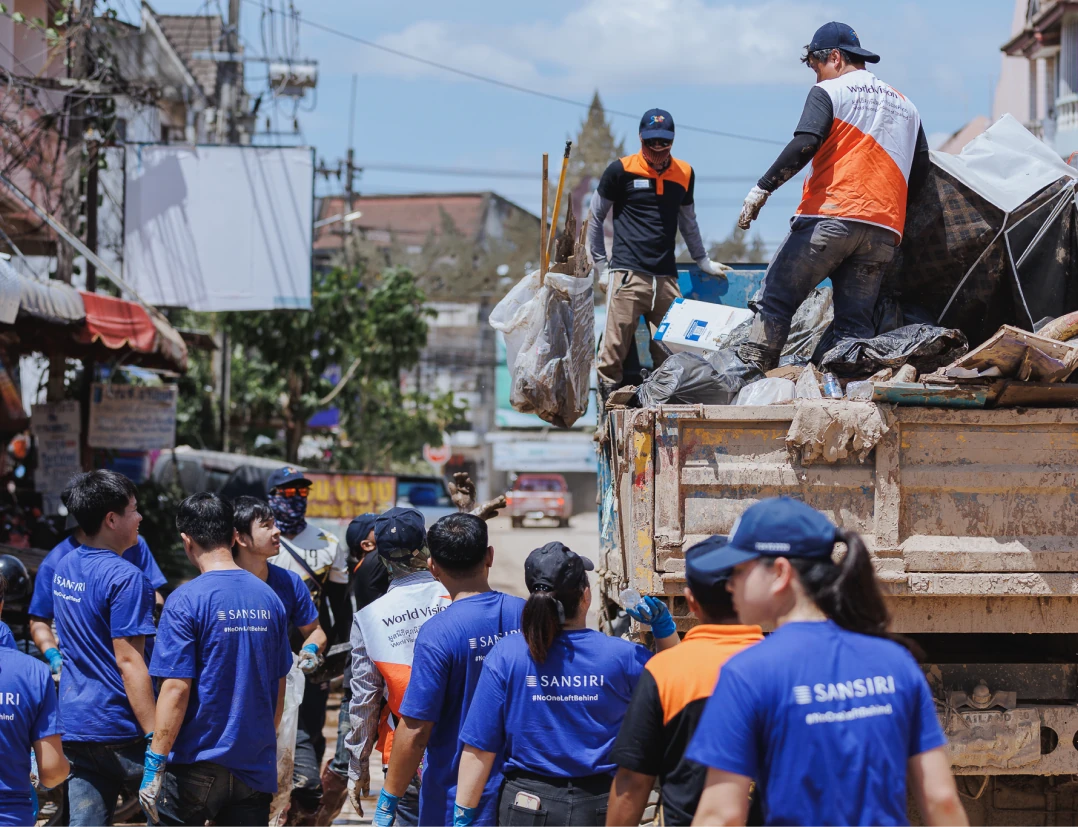
Community
To drive sustainable business success and build long-term relationships with stakeholders, Sansiri prioritises listening to stakeholder feedback, which is crucial for appropriately and continuously meeting their expectations. The Company has established a process to address these expectations, using the analysis results to identify the needs of the community and society, thereby creating mutual and sustainable benefits. Sansiri conducted a survey on the expectations and concerns regarding the impacts of its business operations. One of the main concerns or expectations identified from this survey by the community and society is the commitment to promoting youth, education, sports, and community development.
In 2025, Sansiri implemented projects and activities to aid and support communities, addressing various social and environmental issues. This was driven by a commitment to help reduce inequality and promote social equality, by integrating and building upon business knowledge and experience. The Company planned its Corporate Social Responsibility operations to develop the potential and quality of life of community members, resulting in outcomes that meet the expectations of the community and society.
Social Targets and Performances

The total value of support for social activities in 2025 amounted to THB 98,419,816.01

Number of beneficiaries (or communities)
from social projects and activities across
7 provinces
By 2025, the project aims to support society through well-structured initiatives, addressing issues such as natural disasters, low agricultural yields, and conditions along the Thai-Cambodian border across a total of 10 provinces (Bangkok, Nonthaburi, Chiang Mai, Nan, Phrae, Nakhon Si Thammarat, Ubon Ratchathani, Uttaradit, Ayutthaya, Songkhla). Additionally, it will foster the development of children and youth through football training in 3 provinces (Bangkok, Nonthaburi, Phuket).

Zero Dropout
initiative supports
13,000 children
at risk of dropping out of education in Ratchaburi Province
By 2025, the project will have assisted 4,626 children at risk of leaving the education system, facilitating their reintegration into school. To date, the Zero Dropout project has positively impacted a total of 13,395 children and youth over the past 3 years.

Sansiri Academy
is to have no less than
1,000 participants per year
including children of residents, children of employees, and children from the local community
This year, 1,558 children are actively engaged in football training with the Sansiri Academy.
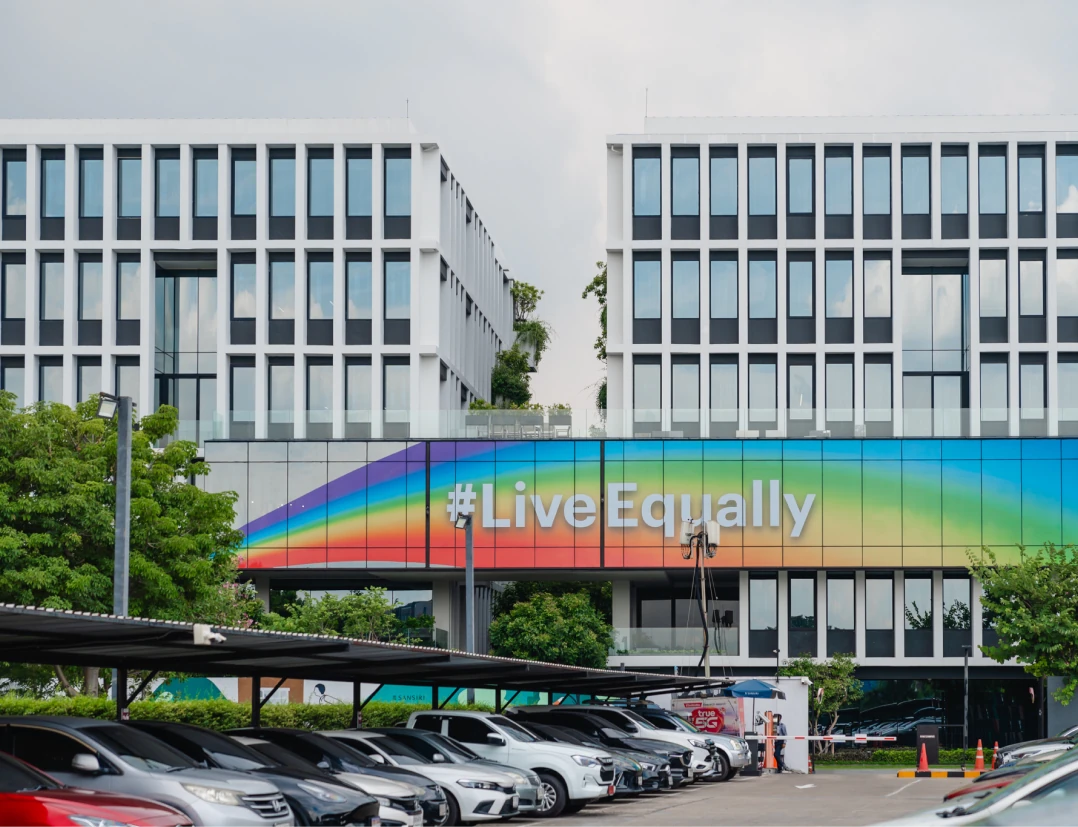
Human Rights
Underpinning our support for the concepts of non-discrimination and respect for human rights is the recognition that every human being has equal value and dignity. Neglecting good practices towards employees as a foundation can lead to long-term issues of discrimination in the workplace. Sansiri is a distinguished organisation in its treatment of employees based on the concept of acceptance of difference and diversity, encompassing the LGBTQ+ (Lesbian, Gay, Bisexual, Transgender, Queer) community. The Company promotes equality among employees in terms of career growth and benefits across all genders. For other aspects, including race, nationality, religion, and age, the Company conducts training on unconscious bias for all employees, particularly those who have decision-making authority regarding employee career advancement, to ensure that decisions are straightforward and based purely on merit, giving everyone an equal opportunity to achieve their full potential.
In addition, Sansiri participates in driving a society where everyone coexists in equality by implementing the following projects and activities that support various human rights issues:
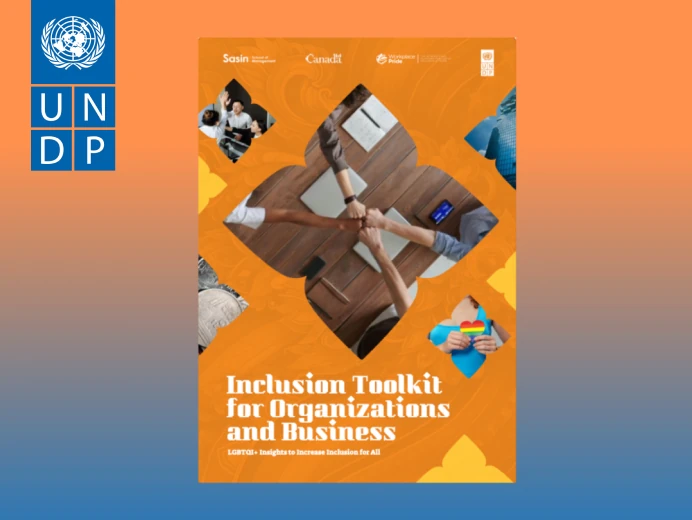
1. A learning toolkit on engagement for organisations and businesses, developed in partnership with UNDP
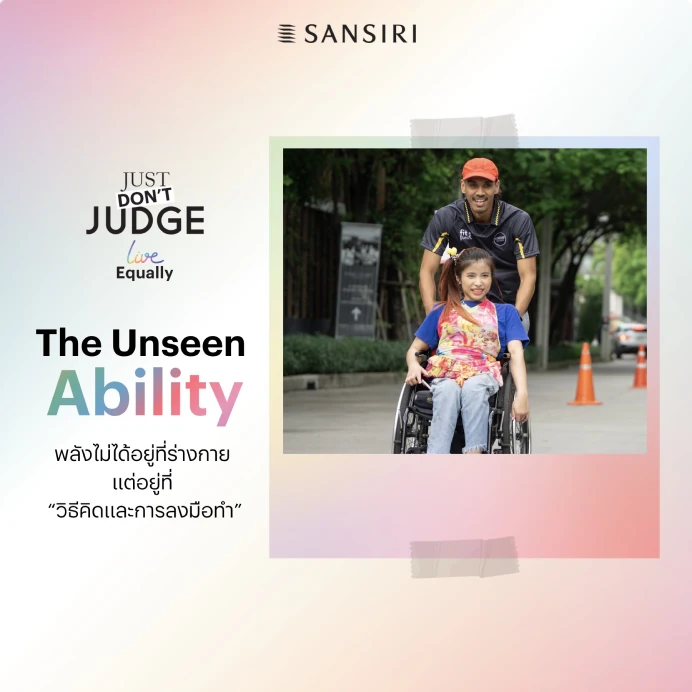
2. Facilitating employment opportunities for individuals with disabilities
Sansiri prioritises equal opportunities and actively supports the employment of individuals with disabilities to enhance diversity and inclusion within the organisation. The Company provided opportunities for employees with disabilities to join the workforce in four key positions:
- Head Office Receptionist Responsible for greeting visitors, managing visitor registration, and delivering general administrative support.
- Liv-24 Security Command Centre Officer Execute responsibilities related to managing the intelligent security centralised system and coordinating with staff at multiple work sites.
- Call Centre Officer Responsible for receiving inquiries and delivering expert advice to customers or external parties who contact the Company through various channels.
- Content Creator Responsible for designing content, including graphics and various designs for the organisation's social media platforms.
In addition to the aforementioned positions, Sansiri has employed 51 individuals with disabilities across the company's locations nationwide to facilitate skills development and create value for individuals with diverse abilities. The company prioritises enabling employees to work in their hometowns, thereby promoting business growth in each region while also supporting family responsibilities.
Relevant Stakeholders

Executives and Employees

Customers, Tenants and Residents

Community and Society

Suppliers and Business Partners