Supply Chain: Environmental

Importance and Mission
Sansiri emphasises the comprehensive management of the value chain concerning environmental dimensions. The Company perceives its relationships with partners and business allies as extending beyond mere business activities or procurement. This approach includes collaborative goal setting for environmental targets, effective energy use, and the promotion of environmentally friendly operational practices throughout all levels of the value chain.
Sansiri is committed to advancing the transition to a sustainable value chain over the long term. This commitment includes collaboration with business partners as well as an expanded role engaging a wider array of stakeholders, including tenants, customers, residents, communities, and society. The goal is to foster participation in minimising environmental impacts and enhancing the sustainability standards within the real estate industry.
For further details on supply chain operations regarding supplier management and social dimensions, please refer to the chapter titled "Supply Chain Management: Social.
Supply Chain: SocialSupporting the Sustainable Development Goals
SDGs 9
SDGs 11
SDGs 12

SDGs 13
SDGs 14
SDGs 15
Goals and Performances

Management Approach
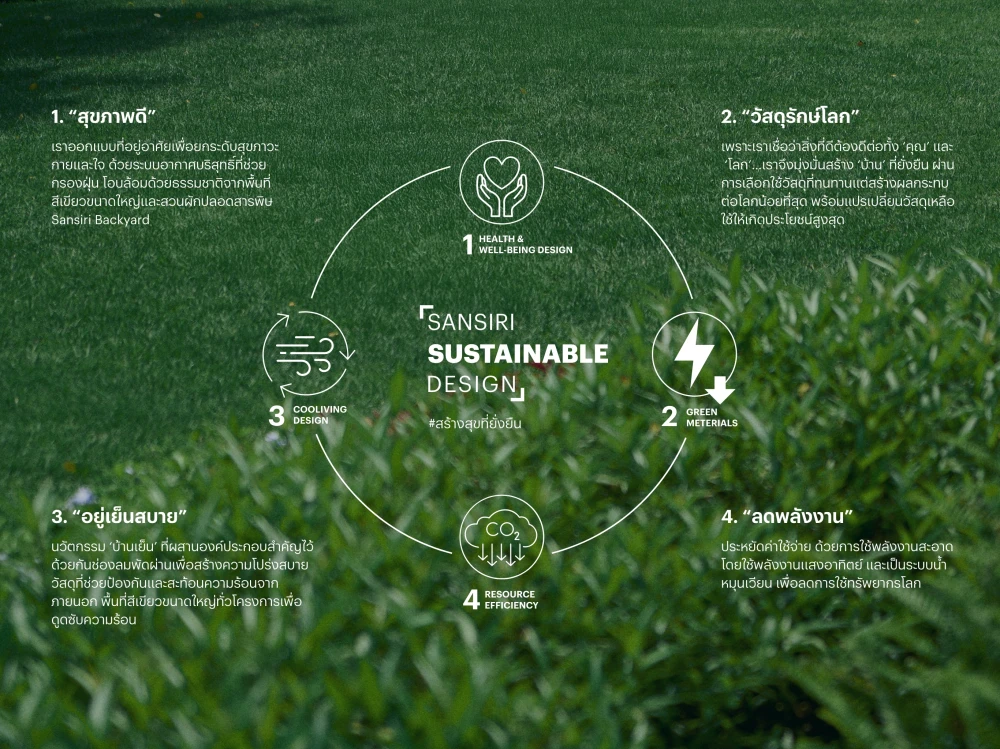
Sansiri is dedicated to sustainable real estate portfolio management through the integration of Environmental, Social, and Governance (ESG) considerations at every stage of project development, including design, construction, space utilisation, and after-sales management.
This approach fosters shared responsibility among the company, tenants, customers, residents, and stakeholders within the supply chain. This commitment is crucial in ensuring that Sansiri customers experience superior living quality and enhanced quality of life, in alignment with the Sansiri Sustainable Design principles.
The Company has established a Property Portfolio Management Policy to promote environmentally responsible practices. This policy encompasses not only Sansiri's activities but also those associated with all projects under its management (Sansiri's Portfolio), as well as stakeholders such as contractors, partners, residents, and tenants, who are integral to project-related activities, including energy use, waste management, and greenhouse gas emissions. Sansiri prioritises the implementation of these policies across all Property Portfolios. Additionally, the Company has developed an Environmental and Energy Conservation Policy to serve as a framework for effective environmental operations, ensuring that all relevant parties operate cohesively across all project areas.
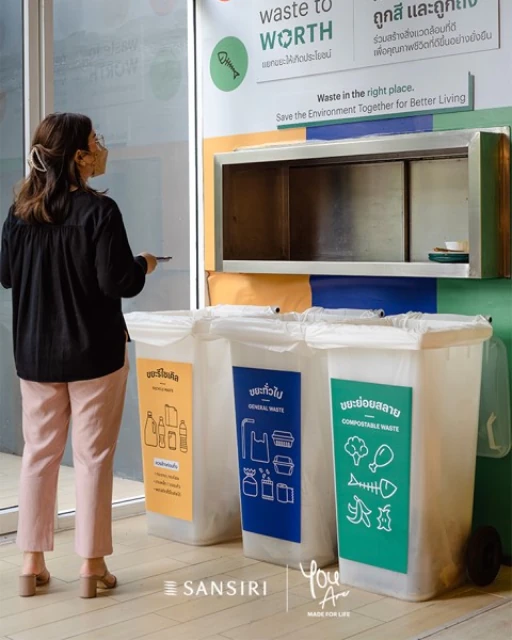
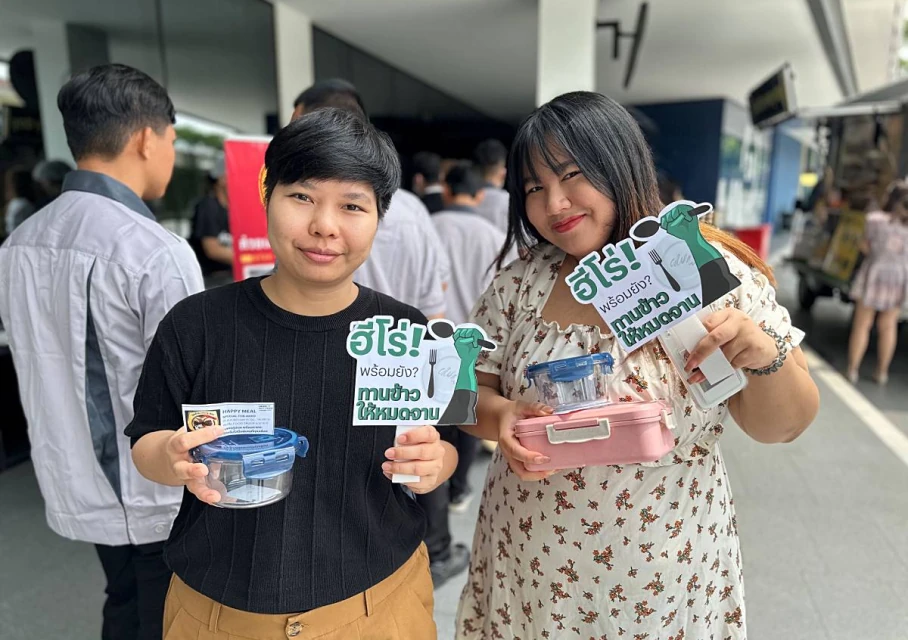
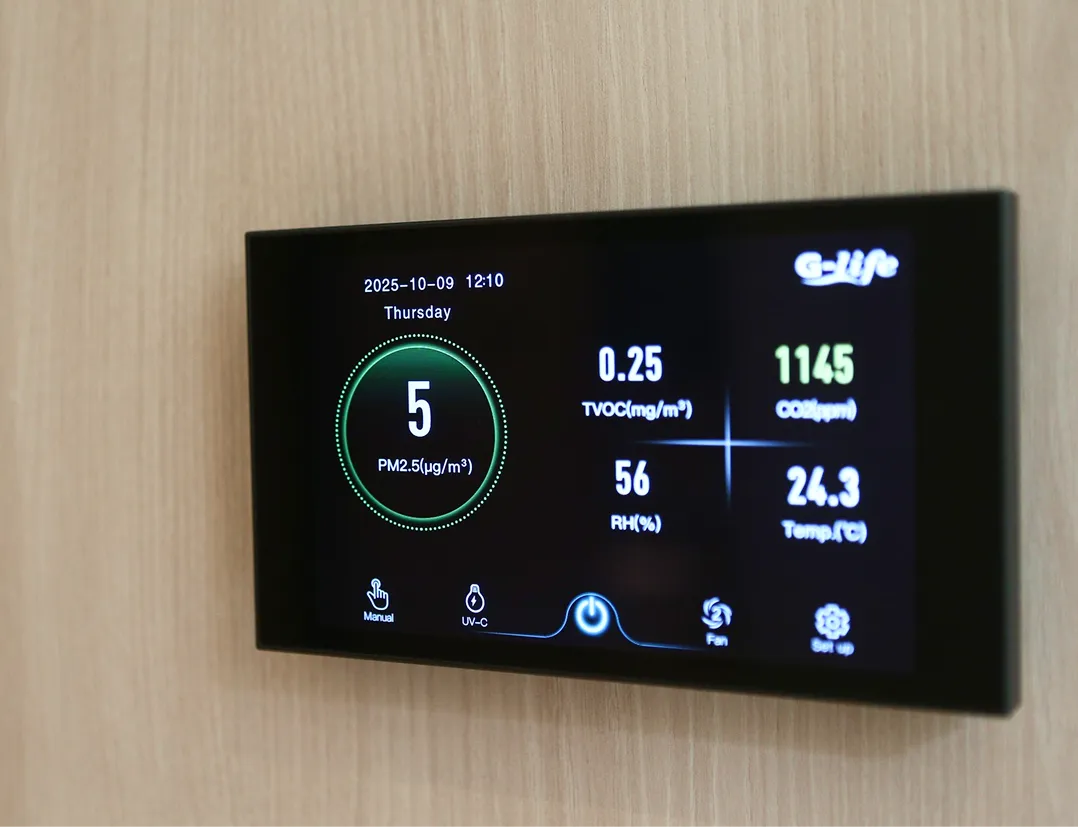
Pollution and Resources Climate ChangeSansiri has expanded its sustainability efforts to tenants through the Green Lease program, which integrates ESG requirements into lease agreements for all leased properties, including Siri Campus and Habito Mall. The program seeks to promote environmentally responsible operations, minimise social impacts, and enhance long-term resource efficiency alongside tenants. This initiative encompasses continuous energy efficiency improvements across leased properties, waste management focused on source separation and recycling, the use of environmentally friendly cleaning products and materials, and indoor air quality management. Sansiri also fosters tenant and resident collaboration through sustainability engagement, exemplified by the T77 Community's corporate social responsibility (CSR) initiatives, which include community outreach activities (blood donations, disaster relief donations), health promotion programs (Active Run, Ice Bath & Sound Healing, Yoga), and access to green spaces.

Key Performances
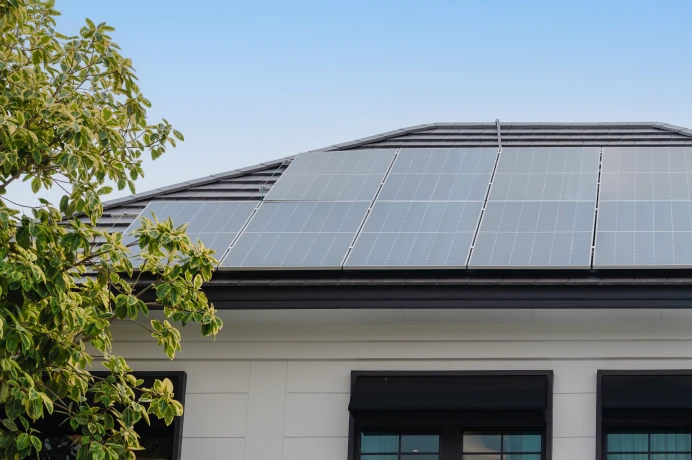
Under the sustainable supply chain management approach, Sansiri has implemented an environmental policy that includes project development processes as well as customer, tenant, and resident usage. This policy emphasises the utilisation of clean energy and the tangible reduction of operational impacts on project sites by stakeholders. This initiative involves the installation of solar panels for Sansiri's high-rise and low-rise projects,
For low-rise project, solar panels are installed at every clubhouse of the new project and at every house with an area of 340 square metre.
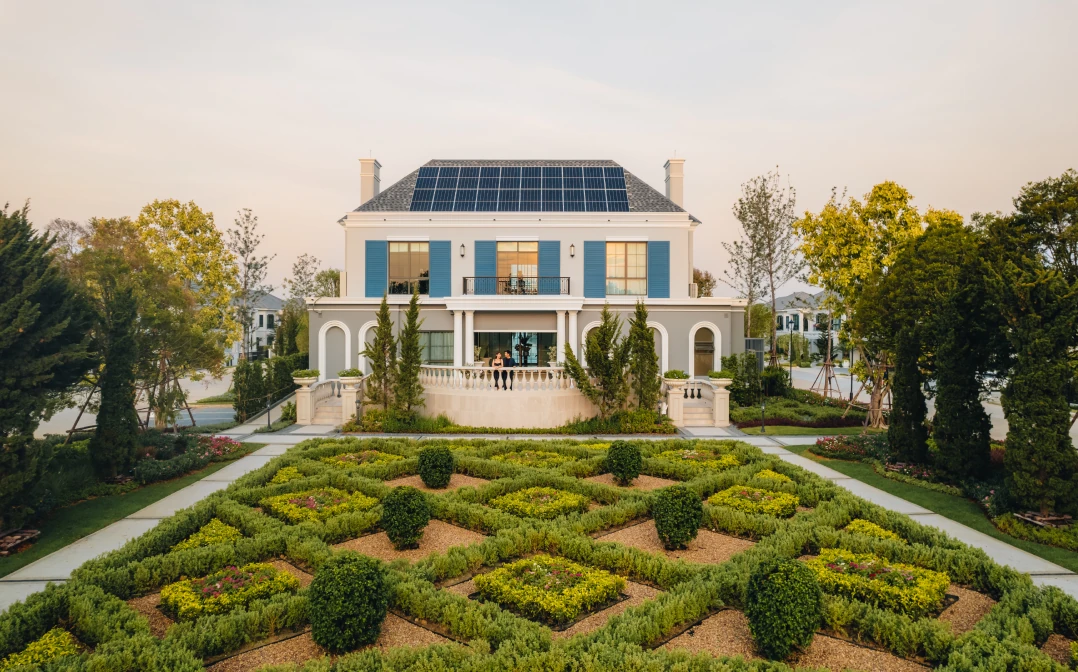
Solar panels are installed at every high-rise project.

Sansiri has expanded its operations to include the precast factory, the first green precast factory in Thailand, as well as The Standard Hua Hin, The Peri Hotels Hua Hin, and Khao Yai, significantly reducing electricity consumption across Sansiri's property portfolio.
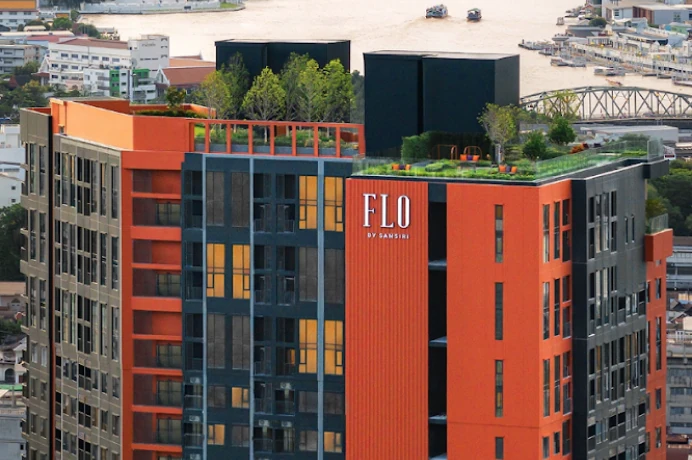
Sansiri prioritises biodiversity conservation by systematically integrating the principles of nature protection and restoration into every phase of real estate development. The Company preserves existing mature trees on pre-construction sites to maintain ecological continuity and minimise habitat disruption. Additionally, it selects tree species from planted forests that are appropriate for the local environment to mitigate the risk of plant diseases and invasive species. Tree planting is conducted in a methodical manner, encompassing site preparation, positioning, spacing, and support to ensure long-term growth.
Examples of projects that demonstrate this approach include:
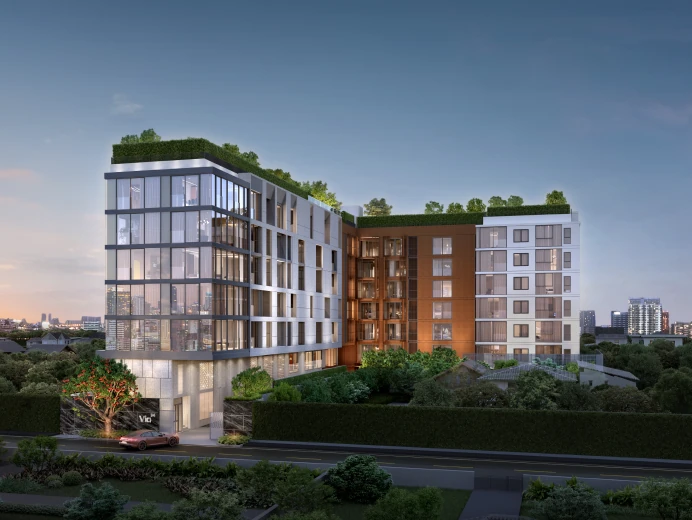
Via34
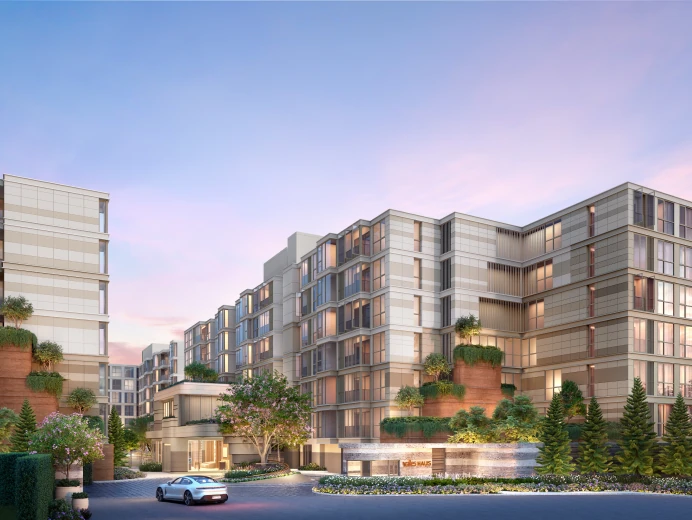
Valles HAUS
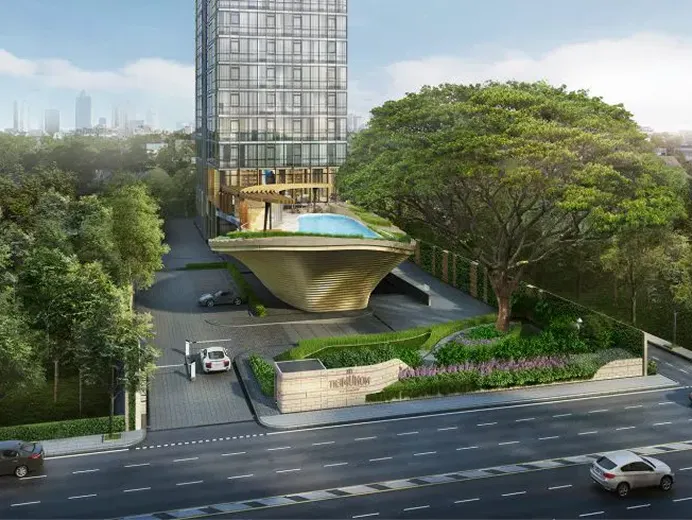
Monument Thonglor
Moreover, Sansiri promotes ongoing involvement from residents and juristic entities in the maintenance of green spaces, demonstrating its dedication to leveraging its real estate portfolio to enhance sustainable environmental practices and biodiversity conservation.
Sansiri has implemented a Building Management System (BMS) at Siri Campus to enhance the efficiency of energy management. The BMS can monitor energy consumption across various building systems, including electrical, air conditioning, lighting, and water systems. It enables the configuration of several devices to operate at optimal times, such as automatically adjusting temperatures during usage periods or turning off lights in unoccupied areas. Sansiri analyses this internal energy consumption data, which is essential for planning long-term energy reduction and controlling greenhouse gas emissions. As a result, Sansiri has established a goal to reduce electricity and water consumption within its projects, aiming to minimise environmental impact and sustainably manage the supply chain in an environmental context. By 2025, total electricity consumption in Sansiri's real estate portfolio is projected to reach 25,678,696 kilowatt-hours, representing a 25% increase from the base year of 2022. Nevertheless, Sansiri has reassessed its operational strategies and intensified other energy management measures to ensure the organisation meets the targets established for the upcoming year.
Relevant Stakeholders

Customers, Tenants and Residents

Community